Edo-Tokyo Open Air Architectural Museum
Koganei Park, Koganei
from $191private guided museum tour, not an admission ticket Check availability →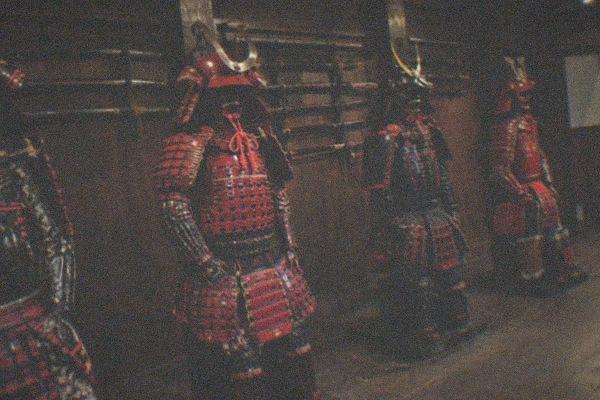
from $20 per person
Check Price & Availability →Opens the official listing with live dates and prices. Book there; nothing is charged on this site.
The Samurai Ninja Museum Tokyo in Nishi-Asakusa sells itself on participation. The basic adult ticket buys entry, a guided tour, the chance to try on samurai armour and a session of shuriken throwing, and upgrade packages add ninja training, tameshigiri sword cutting or a tea ceremony. The venue runs on timed slots rather than open-ended entry, sits two minutes from Tawaramachi Station on the Ginza Line, and carries a 4.6 rating from 1,879 reviews. A second branch, Samurai Ninja Museum Shinjuku, opened in December 2025, and the old Kabukicho Samurai Museum that closed in 2022 was a different, unrelated site. This page covers the Asakusa venue.
Samurai Ninja Museum Tokyo is a hands-on history museum in Nishi-Asakusa, two minutes from Tawaramachi Station on the Ginza Line. The basic ticket covers entry, a guided tour, trying on samurai armour and throwing shuriken, with upgrade packages adding ninja training, sword cutting and tea ceremony.
The museum is one of Maikoya's venues, an operator better known for cultural experiences than for conventional galleries, and the whole product is built around doing rather than looking. A guide walks each timed group through the displays, explains the armour and the weapons, and then hands visitors the armour itself. Trying it on is included in the basic ticket, not sold as an extra on site. The shuriken session follows the same pattern: instruction first, throwing second. Nobody is asked to simply read their way through the building.
The name causes real confusion, and it is worth clearing up straight away. The Samurai Museum that once stood in Kabukicho closed permanently in January 2022 and has nothing to do with this venue. A second branch, Samurai Ninja Museum Shinjuku, opened in December 2025 at 5-17-13 Shinjuku, two minutes from Shinjuku-sanchome, run by the same operator but in a different part of the city. Products sold under a samurai museum name today belong to the Asakusa and Shinjuku venues, never to Kabukicho. The museum's own site is the place to confirm which branch a given experience belongs to before buying.
Across the live listing the venue carries a 4.6 rating built from 1,879 reviews, a strong base for an experience-led attraction of this kind. It is worth setting expectations honestly: this is a compact, tour-driven venue, not a large museum with room after room of glass cases. Visitors who arrive expecting the scale of a national museum tend to be disappointed. Visitors who arrive for the armour, the throwing and the guided storytelling tend to leave happy.
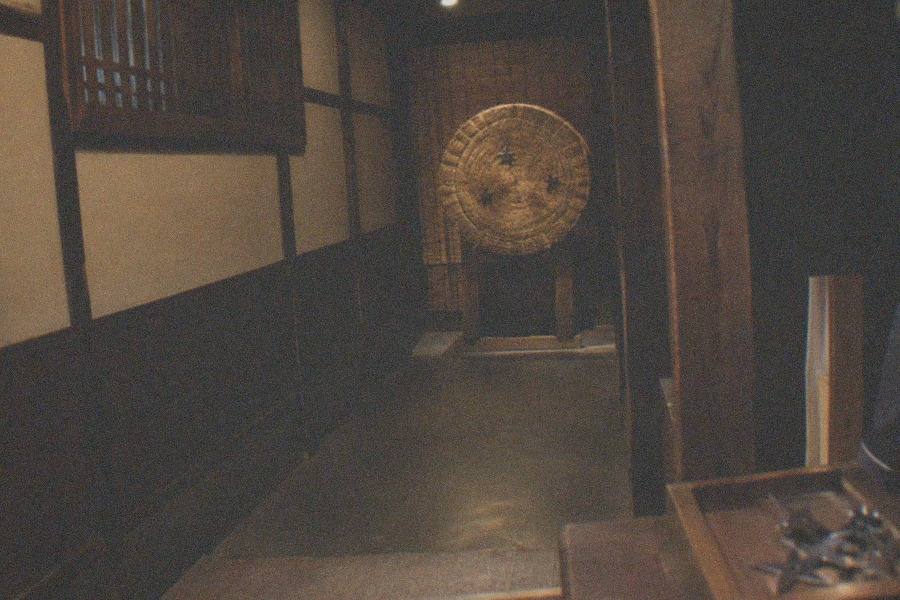
Entry costs about 3,000 JPY for an adult and about 2,700 JPY for a child at the door, and that basic ticket covers the guided tour, the armour fitting and the shuriken throwing. Upgrade packages with ninja training, sword cutting or tea ceremony run from 6,000 to over 12,000 JPY.
The important thing to understand about pricing here is that the basic ticket is genuinely all-inclusive on the standard route. The guided tour, the armour try-on and the shuriken throwing all sit inside the entry price rather than being sold as separate add-ons once you are inside. That shapes what the venue is worth to a family: two adults and two children pay two adult and two child tickets and everything on the standard route is covered.
The upgrade packages sit above the basic ticket and include admission in their own price, so a visitor choosing one of those does not also need to buy a basic ticket. Each upgrade adds a different activity: ninja training for the full covert-arts experience, tameshigiri sword cutting for the chance to cut a target with a real blade under supervision, or a tea ceremony for the quieter, ceremonial side of the culture. A family or group can mix and match, with some members staying on the basic route while others take an upgrade.
| Ticket | Price | What it covers |
|---|---|---|
| Basic adult ticket | 3,000 JPY | Entry, guided tour, armour try-on, shuriken throwing |
| Basic child ticket | 2,700 JPY | Same coverage as the adult ticket |
| Upgrade packages | From 6,000 to over 12,000 JPY | Ninja training, tameshigiri sword cutting or tea ceremony, admission included |
| Booking route | Timed slot, book ahead | Maikoya's own booking site; also the live listing |
One more point of housekeeping: the Tokyo Museum Grutto Pass does not cover this museum, so it cannot be used here at any price. Unlike several Tokyo museums, there is also no concession day or free day that applies to this venue. What the ticket costs is what the ticket costs, and the upgrades are the only way the spend grows.
Samurai Ninja Museum Tokyo runs on timed slots and should be booked ahead, though the venue also sells at the door when space allows. Slots are sold through the operator's own booking site and through the live listing. A sold-out slot means the tour group is full, not that the museum is closed.
This is the detail that most visitors get wrong. Because the visit is built around guided tours with a fixed group size, entry is capacity-managed in a way that a walk-in gallery is not. Each slot corresponds to a tour group, and once a group is full that slot cannot absorb more people. The museum's own site and the operator's booking site carry the live slot calendar, and the booking panel at the top of this page shows the current selection of timed slots for this venue.
Two practical rules follow. First, book before travelling to Asakusa rather than on the pavement outside, because the slot you want, especially an upgrade package with sword cutting or tea ceremony, may already be taken for the day. Second, if a slot shows as sold out, check neighbouring slots on the same day before assuming the whole day is gone. The museum is not closing; that tour group is simply full, and a later or earlier group may still have room.
The same logic applies to the Shinjuku branch, which runs its own separate slots. Booking a slot for the Asakusa venue does not admit you to Shinjuku or the other way round, so match the branch to the part of the city you plan to be in on that day. For visitors building a morning in Asakusa, an early slot leaves the rest of the day free; for anyone arriving in the afternoon, a late slot avoids cutting the day short.
More advice for planning this museum visit →
The museum sits at 1-8-13 Nishi-Asakusa in Taito, a two minute walk from Tawaramachi Station on the Tokyo Metro Ginza Line and two minutes from the Tsukuba Express stop at Asakusa. The main Asakusa interchange on the Ginza and Asakusa lines is an eight minute walk away.
Tawaramachi is the quiet option. It is a single-stop Ginza Line station one stop south of the Asakusa interchange, and the museum is a two minute walk from its exit, which keeps the approach short and uncrowded. Visitors coming on the Ginza or Asakusa lines to the main Asakusa station have an eight minute walk, which passes through the heart of the Asakusa sightseeing district. Anyone arriving on the Tsukuba Express has the shortest route of all: that Asakusa stop is also two minutes from the door, on the opposite side of the district.
Because the venue sits inside one of Tokyo's most visited districts, transport is rarely the hard part of the trip. The hard part is sequencing. Asakusa fills through the middle of the day, and an early or late museum slot avoids the thickest crowds on the streets either side of it. A timed slot booked for the morning leaves the afternoon for the district; a late slot lets the district come first.
For visitors who want a second history stop in the same day, the Edo-Tokyo Museum in Ryogoku sits across the river and reopened on 31 March 2026 after a roughly four-year renovation. Pairing the two makes a coherent Edo-period day: the hands-on samurai experience in Asakusa in one slot, the reconstructed city life of old Tokyo in Ryogoku in the other, with the river crossing between them. Unlike the big Ueno museums, the Samurai Ninja Museum Tokyo opens on Mondays, so it also works on the day the national museums in Ueno Park are shut.
Plan the visit around a slot, not a whole day: the museum is a compact indoor venue, and most visitors combine it with the rest of Asakusa around it. Opening hours are not on a fixed schedule, so check the museum's own site for the day's first and last tour times before setting out.
The venue publishes no fixed weekly closing day. It runs a calendar rather than a standing day off, so a Tuesday that worked last month may not work this month, and the same goes for weekends. The one useful fixed point is that it opens on Mondays, which makes it a genuine option on the day the Ueno Park museums close. Before committing to a date, check the calendar on the museum's own site, then lock the slot that suits the rest of the day.
| At a glance | Samurai Ninja Museum Tokyo |
|---|---|
| Hours | Check the museum's own site |
| Closed day | No fixed weekly closing day; check the museum's own calendar |
| Area | Asakusa, Taito |
| How far ahead to book | Timed slot, book ahead, through Maikoya's own site or the live listing |
| How long to allow | A guided tour plus armour and shuriken; upgrades take longer |
| Nearest stations | Tawaramachi 2 min; Asakusa (Tsukuba Express) 2 min; Asakusa 8 min |
On duration, the honest answer is that the visit scales with the ticket. The basic route is a guided tour, an armour fitting and a shuriken session, and the upgrade packages each add an activity on top, so a visitor taking ninja training, sword cutting or tea ceremony should plan for more time than one on the standard ticket. The museum's compact footprint is what makes it so easy to slot into an Asakusa day: it is a stop, not a destination that consumes the afternoon.
The district around it does the rest. Asakusa is one of the few Tokyo districts where the walk between station and museum is itself the sight, and an eight minute approach from the main interchange passes the shopping streets and temple approaches that most visitors come to see. Book the slot, walk the district on either side of it, and the day assembles itself.
Families with children and anyone who wants to touch history rather than read labels get the most out of this museum. Visitors expecting a large collection of artefacts in glass cases will find the venue small. It sits closer to an experience-led attraction than to a conventional museum, and the ticket is priced accordingly.
The hands-on design is the whole point. Children on the basic route get to wear the armour and throw the shuriken rather than stand behind a rope, and the guided tour keeps the group moving through a story instead of leaving them to wander. Adults travelling without children are equally well served: the upgrade packages, particularly the sword cutting and the tea ceremony, are aimed squarely at grown-up visitors who want the deeper, slower versions of the experience.
Who should skip it? Anyone whose idea of a museum is the Tokyo National Museum's row of gallery floors, or the wide permanent exhibitions of the Ueno institutions, will find this venue's footprint modest. It also is not an art museum. Visitors splitting a Tokyo trip between history and digital art will find that teamLab Borderless and teamLab Planets TOKYO make the natural opposite pairing, and both of those venues run timed-slot entry too, so the same advance-booking discipline that secures a slot here secures a slot there.
The comparison that fits best is with other experience-led venues in the city. Like the Warner Bros. studio tour or the smaller themed attractions around Odaiba, this museum sells a structured, guided, capacity-managed visit rather than open-ended wandering, and it rewards visitors who treat the booking as part of the plan. Treat the slot as the fixed point and everything around it, the streets of Asakusa, the river, the rest of the day, becomes flexible.
The museum runs on timed slots and should be booked ahead. Slots are sold through the operator's own booking site and through the live listing, and the booking panel at the top of this page shows the current selection. Booking before travelling to Asakusa is the reliable approach, since popular slots and upgrade packages can fill for the day.
Yes, the venue also sells at the door when space allows, but entry is timed and each tour group has a fixed size. Once a group is full, that slot cannot take more people, so a walk-up visit carries the risk of a long wait or no slot at all. Booking ahead removes that risk entirely.
No. The Samurai Museum that stood in Kabukicho closed permanently in January 2022 and is unrelated to this venue. Samurai Ninja Museum Tokyo is Maikoya's Asakusa branch in Nishi-Asakusa, and a second branch, Samurai Ninja Museum Shinjuku, opened in December 2025 at 5-17-13 Shinjuku. Products sold today belong to the Asakusa and Shinjuku venues only.
The basic ticket covers entry, a guided tour, trying on samurai armour and a shuriken throwing session, all inside the one price with no separate add-ons on site. Upgrade packages add ninja training, tameshigiri sword cutting or a tea ceremony, and those packages include admission in their own price, so no basic ticket is needed on top.
The museum is at 1-8-13 Nishi-Asakusa in Taito. Tawaramachi Station on the Tokyo Metro Ginza Line is a two minute walk away, the Tsukuba Express stop at Asakusa is also two minutes, and the main Asakusa interchange on the Ginza and Asakusa lines is an eight minute walk. The district around the venue is walkable and busy through the middle of the day.
Yes, the venue is built around participation, which suits families well. Children on the basic route get the armour try-on and the shuriken throwing rather than a display-only visit, and a child ticket is slightly cheaper than the adult ticket. The upgrade packages, especially sword cutting and the tea ceremony, are aimed more at adult visitors.
The museum publishes no fixed weekly closing day and runs a calendar instead, so the day that worked last month may not work this month. It is open on Mondays, which makes it an option on the day the big Ueno museums are shut. Hours and the day's first and last tour times are on the museum's own site, which is also where slots are confirmed before booking.
No. The museum is not covered by the Grutto Pass, so the pass cannot be used here at any price or for any discount. The same applies to its upgrade packages. Anyone holding a pass should plan to buy this museum's timed slot separately through the operator's booking site or the live listing.
Koganei Park, Koganei
from $191private guided museum tour, not an admission ticket Check availability →