Which Samurai Museum In Tokyo Is Best, Shinjuku Or Asakusa?
Two Maikoya samurai venues operate in Tokyo, one in Asakusa and one in Shinjuku, and the famous Kabukicho Samurai Museum closed in 2022. Here is which one to pick and why.
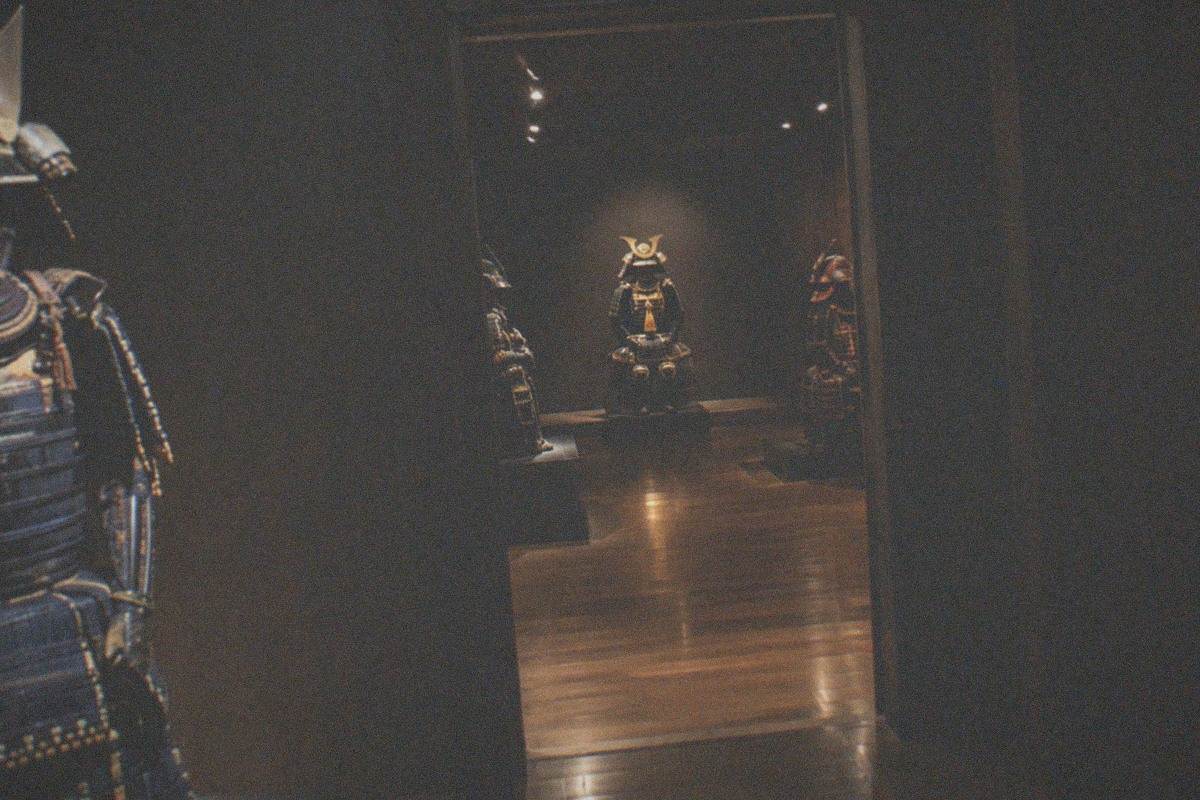
Search for a samurai museum in Tokyo and three names surface: the Samurai Ninja Museum in Asakusa, a Shinjuku branch that opened in December 2025, and the old Samurai Museum of Kabukicho. The Kabukicho one closed permanently in January 2022, and its former building no longer welcomes visitors, yet its old pages and reviews still rank, which is how a December 2025 review records a traveller booking a Shinjuku product and walking to the shuttered Kabukicho site. The two venues that actually operate belong to the same company, Maikoya, and neither is a museum in the quiet, glass-case sense. Both are ticketed experiences: armour you can wear, swords you can learn about, shuriken you can throw.
The decisive detail is the address: this experience visits the Asakusa venue, not the newer Shinjuku branch or the closed Kabukicho museum. Explore Samurai Ninja Museum Tokyo
The naming mess is not a small footnote. It shapes what you find when you search, what you see when you arrive, and what you pay for. A traveller who types "samurai museum Tokyo" into a search engine in 2026 meets a closed venue, a months-old branch and a long-running Asakusa original, in no particular order and with no sign telling them which is which. This page untangles the three, names the two that sell tickets today, and matches each to the itinerary it suits best.
Which Samurai Museum In Tokyo Is Best, Shinjuku Or Asakusa?
The Asakusa venue is the stronger choice for most visitors: it has the longer track record, the larger review base at 4.6 across 1,879 reviews, and it sits two minutes from Tawaramachi Station in the heart of old Tokyo. The Shinjuku branch, open since December 2025 at 5-17-13 Shinjuku, two minutes from Shinjuku-sanchome, is the same product in a newer, more central location, and suits anyone based on the west side.
Both venues run the same operator and, by the operator's own account, the same format: a guided tour, samurai armour dressing and shuriken throwing inside one ticket. The basic adult ticket runs about 3,000 JPY at the door and about 2,700 JPY for a child, with the live listing selling from $20. Upgrade packages that add ninja training, tameshigiri sword cutting or a tea ceremony run from 6,000 to over 12,000 JPY including admission, so the gap between a quick visit and a full afternoon is wide.
The honest framing matters more here than at most Tokyo attractions. Neither venue is the Kabukicho Samurai Museum, which was a different business with a similar name, and Maikoya itself says its venues are unaffiliated with that closed site. A reader who books "the samurai museum" without checking the address can still end up at the wrong door, which is exactly what the December 2025 review describes. Pick the venue by neighbourhood, not by name.
There is also a fair question about whether either venue deserves the word museum at all. The displays are genuine, the guides know their material, and the armour is real, but the product is participation rather than contemplation. That is not a criticism. Tokyo has excellent conventional collections for the contemplative kind of visit, and the samurai venues fill a different slot in a trip: an hour of doing rather than an hour of looking. Knowing which of the two you are buying is the whole trick.
What Is The Difference Between The Asakusa And Shinjuku Venues?
The product is the same; the setting is not. Asakusa pairs the samurai experience with Senso-ji, Nakamise Street and the old-town atmosphere of eastern Tokyo, and the venue sits at 1-8-13 Nishi-Asakusa, two minutes from Tawaramachi Station. The Shinjuku branch, which opened in December 2025 at 5-17-13 Shinjuku, two minutes from Shinjuku-sanchome, pairs it with skyscrapers, shopping and the west-side hotel belt.
Both sell timed-slot tickets that should be booked ahead, through Maikoya's own site at mai-ko.com or through the live listing. Neither publishes a fixed weekly closing day, so the calendar on the operator's own site is the authority on open dates, a habit worth adopting across Tokyo since several major attractions here run calendar-driven schedules rather than fixed closing days.
The choice really comes down to itinerary geometry. Asakusa rewards a half day: the temple, the museum experience, lunch on Denboin Street or Hoppy Street, and a walk along the Sumida. Shinjuku rewards an evening or a rainy afternoon, when the experience slots neatly between shopping and dinner in the world's densest entertainment district. Families with young children tend to prefer Asakusa for the calmer streets; groups on a night out tend to prefer Shinjuku.
The review base tells its own story. The Asakusa venue carries 4.6 across 1,879 reviews, a depth the months-old Shinjuku branch cannot yet match. That does not mean the Shinjuku venue is worse; it means nobody can yet say, and a traveller who wants the venue with the longest public record has only one option. Our companion guide to samurai, ninja and sumo museums in Tokyo covers how these venues sit alongside the free Sumo Museum in Ryogoku.
The Asakusa venue is also the one with a bookable product this site tracks, and the ticket is the same whether you arrive from the operator's own site or the live listing: a timed slot covering the guided tour, armour dressing and shuriken throwing. Check availability alongside the Asakusa samurai museum ticket page.
Is The Samurai Museum In Kabukicho Still Open?
No. The Samurai Museum in Kabukicho, Shinjuku's famous samurai attraction on the street itself, closed permanently in January 2022, and the operator's own site confirms the closure. It does not reopen, it has no successor at that address, and every listing that still appears to sell it is in fact selling Maikoya's separate Asakusa or Shinjuku venues.
The confusion has a paper trail. The closed museum kept its name, its reviews and much of its search presence, so a traveller searching "samurai museum Tokyo" in 2026 still meets it. Then Maikoya opened its Shinjuku branch in December 2025, two minutes from Shinjuku-sanchome, which puts a live samurai experience back in Shinjuku but at a different address, under a different business, with no connection to the Kabukicho site. A reader who half-remembers "there is a samurai museum in Shinjuku" can book the new branch and walk to the old one, or assume the old one is the new one.
The practical rule: check the address before you book anything samurai-related in Tokyo. Asakusa means 1-8-13 Nishi-Asakusa, near Tawaramachi. Shinjuku means 5-17-13 Shinjuku, near Shinjuku-sanchome. Anything pointing at the Kabukicho address is selling a memory. We cover the closure and the naming mess in more detail in why the samurai museum closed.
It is worth being blunt about why this trap keeps working. Search engines rank pages by links and history, and the closed museum accumulated years of both before it shut. Its pages still describe a venue that no longer exists, in the present tense, and nothing on most of those pages signals the closure to a reader in a hurry. The December 2025 review is the predictable result: a real visitor, a real booking, a shuttered door. Treat any samuseum listing that names Kabukicho as a warning sign rather than an invitation.
What Does A Samurai Ninja Museum Ticket Include?
The basic ticket at either Maikoya venue covers three things: a guided tour of the armour and weapon displays, the chance to dress in samurai armour, and a shuriken throwing session. It runs about 3,000 JPY for an adult at the door, about 2,700 JPY for a child, or from $20 through the live listing. Upgrades add ninja training, tameshigiri sword cutting or a tea ceremony, from 6,000 to over 12,000 JPY including admission.
That structure explains why the venues describe themselves as museums and why some visitors expecting a conventional collection come away surprised. The displays are real, and the guides explain them, but the product is participation. A visitor who wants to stand in front of cases of swords and armour for two hours should redirect to the Tokyo National Museum in Ueno Park, where the collection exhibitions cost 1,000 JPY, the venue holds 4.7 across 647 reviews, and the arms and armour heritage of Japan sits inside a proper national collection. Collection exhibitions are free there on 19 May, 21 September and 3 November 2026.
| Option | What it covers | Price level |
|---|---|---|
| Basic ticket, Asakusa or Shinjuku | Guided tour, samurai armour dressing, shuriken throwing | about 3,000 JPY adult, about 2,700 JPY child |
| Ninja training upgrade | Basic package plus a ninja skills session | from 6,000 JPY including admission |
| Tameshigiri upgrade | Basic package plus supervised sword cutting | from 6,000 JPY, higher tiers above |
| Tea ceremony upgrade | Basic package plus a traditional tea ceremony | upper tier, over 12,000 JPY at the top end |
| Tokyo National Museum, Ueno | National collection exhibitions, no hands-on element | 1,000 JPY, free on three 2026 dates |
The comparison is not which is better in the abstract; it is which kind of visit you want. A family with children aged roughly six to twelve gets more from an hour of armour and shuriken than from any glass case. A visitor travelling without children, or with a deep interest in the historical objects themselves, gets more from Ueno. Both plans are legitimate, and Tokyo is large enough that some travellers do both in one day: the samurai experience in the morning in Asakusa, the national collection in the afternoon in Ueno, two stops apart on the Ginza Line.
The upgrade tiers deserve a sentence of honesty too. The tea ceremony package at the top of the range is a genuine cultural experience in its own right, and some travellers book the samurai venue primarily for it, treating the armour and shuriken as the warm-up act. If that is your plan, the Shinjuku branch's proximity to the west-side hotels makes it the smoother fit, since the ceremony ends in the evening in the neighbourhood where most upscale accommodation sits. The basic ticket remains the sensible default for a first visit.
Which Location Fits Your Tokyo Itinerary Better?
Choose Asakusa if your trip already includes Senso-ji, the Sumida riverfront or the east side, since the venue sits two minutes from Tawaramachi Station and the whole old-town district wraps around it. Choose Shinjuku if you are staying on the west side or want to fold the experience into a shopping and nightlife day, since the December 2025 branch sits two minutes from Shinjuku-sanchome. Neither venue is worth crossing the city for on its own.
There is a third option worth naming for travellers who want the full historical immersion rather than a one-hour taste: Edo Wonderland Nikko Edomura, a reconstructed Edo-period town in Nikko where costumed staff, ninja shows and samurai districts fill a full day. The adult one-day pass runs 5,800 JPY at the gate, an afternoon pass valid from 14:00, or from 13:00 in winter, runs 5,000 JPY, and the venue holds 4.7 across 699 reviews. It is a long day trip from Tokyo, roughly a full day with travel each way, so it suits a dedicated itinerary rather than a spare afternoon.
| Question | Asakusa venue | Shinjuku venue |
|---|---|---|
| Address | 1-8-13 Nishi-Asakusa, Taito | 5-17-13 Shinjuku, two minutes from Shinjuku-sanchome |
| Nearest station | Tawaramachi, 2 min walk | Shinjuku-sanchome, 2 min walk |
| Opened | Long-running venue | December 2025 |
| Review base | 4.6 across 1,879 reviews | New, review base still building |
| Booking | Timed slot, mai-ko.com or the live listing | Timed slot, mai-ko.com or the live listing |
| Best paired with | Senso-ji, Nakamise, Sumida riverfront | Shinjuku shopping, dining, nightlife |
| Weekly closing day | Not published, check the operator's calendar | Not published, check the operator's calendar |
The station detail is the quiet decision-maker. Tawaramachi puts you inside the Asakusa temple district on foot, and the samurai experience slots between Kaminarimon Gate and the river without any train ride at all. Shinjuku-sanchome puts you inside the shopping corridors, and the experience slots between Isetan and Golden Gai. Neither venue publishes a weekly closing day, so check the operator's calendar for the date you want, a habit Tokyo Museums recommends for every calendar-driven venue in the city.
Weather can tip the choice as well. Asakusa's attractions are mostly outdoors, and a rainy day turns Nakamise into a crowded covered arcade with wet shoes at either end. Shinjuku's indoor corridors connect the venue to department stores and station complexes almost without going outside, which makes the newer branch the better rainy-day pick. On a clear spring or autumn day the argument reverses, and Asakusa's riverfront and temple grounds are among the best free scenery in the city.
How Do You Book The Asakusa Or Shinjuku Samurai Experience?
Both venues sell timed-slot tickets that should be booked ahead, through Maikoya's own site at mai-ko.com or through the live listing, and the basic product sells from $20. Slots are timed, so the date and the hour both matter, and the operator's calendar rather than any fixed weekly closing day decides which dates are available. Book the venue whose address matches your itinerary, then re-read the confirmation for the address before you travel.
The booking itself is simple: pick a date, pick a time, choose between the basic package and an upgrade. What deserves care is the moment before booking, when you confirm which of the two venues you are actually selecting. The live listing carries the Asakusa product, the Samurai Ninja Museum with its guided tour and ninja experience, and that is the product with the 4.6 rating across 1,879 reviews. The Shinjuku branch sells through the operator's own site, and being months old, it carries little public review history yet.
For a deeper historical anchor on the same trip, the history museums guide covers the Edo-Tokyo Museum in Ryogoku, which reopened on 31 March 2026 after roughly four years of renovation, and the free Sumo Museum in the same neighbourhood, which is open on weekdays only and requires a tournament ticket during a Tokyo basho. Ryogoku is one stop from Asakusa on the Sobu Line, so a samurai morning in Asakusa and an Edo-history afternoon in Ryogoku makes a coherent single day.
Travellers who want the theme-park version of the same era can look at the Edo Wonderland ticket, which sells from $36.59 and covers the full reconstructed town in Nikko rather than a one-hour experience. The Edo Wonderland Nikko Edomura ticket page has the details, and the venue belongs on any shortlist for a second or third Tokyo day dedicated to the Edo period.
Whichever venue you choose, the same two rules protect the visit. Confirm the address on the booking confirmation, and check the operator's calendar for the date rather than assuming a closing day. The Asakusa venue rewards a morning slot before the temple crowds peak; the Shinjuku venue runs comfortably into the evening, which is where its neighbourhood comes alive anyway. Both rules cost thirty seconds and save the one mistake this corner of Tokyo keeps producing: a booked ticket and a shuttered door.
Common Questions About Samurai Museums In Tokyo
Which Samurai Museum In Tokyo Is Best, Shinjuku Or Asakusa?
The Asakusa venue has the longer record and 4.6 across 1,879 reviews; the Shinjuku branch, open since December 2025, offers the same format nearer the west-side hotels. Pick by neighbourhood: Asakusa for old-town itineraries, Shinjuku for shopping and nightlife days.
Is the Samurai Museum in Kabukicho still open?
No. It closed permanently in January 2022 and the operator's own site confirms the closure. Any product that appears to sell it is actually Maikoya's Asakusa or Shinjuku venue.
Are the Asakusa and Shinjuku samurai museums the same company?
Yes. Both are Maikoya venues, both sell the same guided tour with armour dressing and shuriken throwing, and both run timed-slot tickets. Neither is affiliated with the closed Kabukicho museum.
How much does the Samurai Ninja Museum cost?
The basic adult ticket is about 3,000 JPY at the door, about 2,700 JPY for a child, and the live listing sells from $20. Upgrades with ninja training, sword cutting or a tea ceremony run from 6,000 to over 12,000 JPY including admission.
Do you need to book the samurai experience in advance?
Yes. Both venues run timed slots and booking ahead is the advised route, through mai-ko.com or the live listing. Neither publishes a fixed weekly closing day, so check the operator's calendar for your date.
Is the Samurai Ninja Museum a real museum?
It is a ticketed experience with real displays, not a conventional collection museum. If you want cases of swords and armour, the Tokyo National Museum's collection exhibitions cost 1,000 JPY and are free on 19 May, 21 September and 3 November 2026.
Where exactly is the Shinjuku samurai venue?
At 5-17-13 Shinjuku, two minutes from Shinjuku-sanchome station. It opened in December 2025 and is unrelated to the closed Kabukicho site a few blocks north.
What is the best samurai day trip from Tokyo?
Edo Wonderland Nikko Edomura, a full reconstructed Edo-period town in Nikko. The adult pass is 5,800 JPY at the gate, an afternoon pass is 5,000 JPY, and the venue holds 4.7 across 699 reviews. Expect a full day including travel.
Choose Your Museum Experience
Start With This Option
Have a date in mind? Plan Samurai Ninja Museum Tokyo before arranging the rest of your day.
Guided museum visit with hands-on samurai and ninja activities in Asakusa. This is a different venue from the former Kabukicho Samurai Museum.
Tailor Your Choice And Compare Alternatives
Samurai Ninja Museum Tokyo: Guided museum visit with hands-on samurai and ninja activities in Asakusa. This is a different venue from the former Kabukicho Samurai Museum.
Tokyo National Museum: Tokyo National Museum admission in Ueno for the selected ticket type. A special exhibition is a separate purchase unless your option explicitly includes it.
Edo Wonderland Nikko Edomura: Admission to the recreated Edo-period town and performances at Edo Wonderland near Nikko. Travel from Tokyo is separate.
Set your Samurai Ninja Museum Tokyo date before arranging the rest of your day.
Choose Your Samurai Ninja Museum Tokyo Date