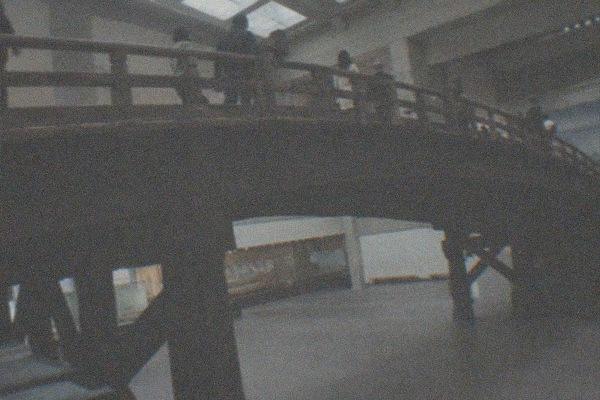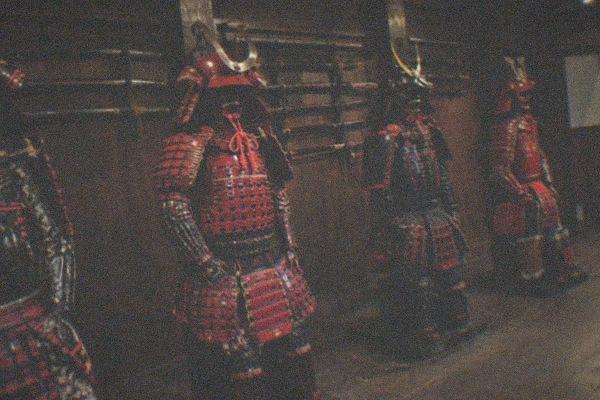
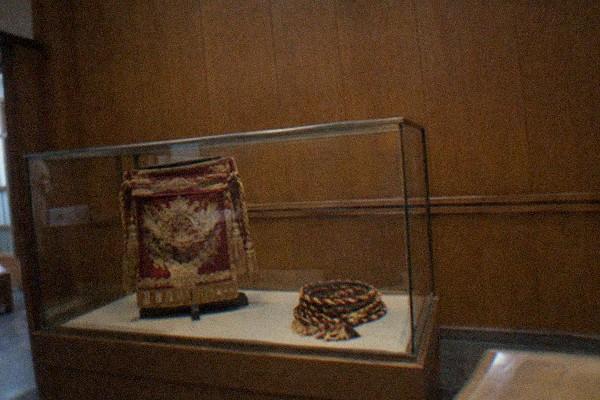
The Sumo Museum
General admission is free, no ticket needed.
Free visitor info →Separate paid option
from $38.42 paid Ryogoku walking tour with free museum entry included
Check Price & Availability →This paid option is separate from the free general admission above. Opens the official listing with live dates and prices; nothing is charged on this site.
- General admission
- Free
- Area
- Ryogoku Kokugikan, Sumida
Ryogoku Kokugikan is the arena where Tokyo's Grand Sumo tournaments are held, and on its first floor, a two minute walk from the JR Sobu Line's Ryogoku West Exit, sits a small museum given over to the history of the sport. Admission costs nothing. There is no counter charge, no online slot and nothing to reserve in a normal week. The honesty comes with fine print: the doors stay shut on Saturdays, Sundays and national holidays, and while a tournament is running in the arena, the only way inside is a viewing ticket for that day's bouts.
How Much Does The Sumo Museum Cost To Visit?
General admission to The Sumo Museum is free: there is no ticket, no counter charge and nothing to buy on a normal weekday. The catch sits beside the price. The museum is closed Saturdays, Sundays and national holidays, and while a Tokyo Grand Sumo tournament is running in the Kokugikan, entry requires a tournament viewing ticket for that day.
| Item | Price / rule |
|---|---|
| General admission | Free |
| Door price | 0 JPY |
| During a Tokyo Grand Sumo tournament | Grand Sumo viewing ticket required, sold by the Japan Sumo Association |
| Advance booking | None in normal weeks, walk in |
| Grutto Pass | Not covered |
Free here means genuinely free. Across the whole Tokyo lineup this site covers, only two museums charge nothing at all: The Sumo Museum and the Meguro Parasitological Museum, and both carry a catch you should know before travelling. Meguro closes both Monday and Tuesday. The Sumo Museum gives up its weekends instead. In neither case does free mean open seven days.
The tournament catch is the one that catches people out. The museum's own Japanese page states the rule plainly: admission is free, but during a Tokyo Grand Sumo tournament a tournament viewing ticket is required to enter. The reasoning is simple. The museum sits inside the Kokugikan, and when the arena is running a full honbasho with paying spectators in every seat, the museum's corridor is part of the ticketed building. You can read the current terms on the museum's own overview page before you plan a tournament-week visit.
Anything at this address that does cost money, above all the tournament viewing ticket itself, is sold by the Japan Sumo Association through its own channels. This page sells nothing and links no reseller for it. For tournament tickets, seat prices and availability, go to the association's site directly, and treat the museum as a free add-on to a ticketed sumo day rather than a standalone reason to buy one.
One paid option exists if you would rather not navigate the district alone: a guided Ryogoku walking tour that takes in the Kokugikan, the neighbourhood's sumo-stable streets and a stop inside this museum. Book it and you are paying for the guide and the walk, not for museum admission, which stays free either way; skip it and you can still walk into the museum yourself on any open weekday for nothing.
Do You Need To Book Ahead For The Sumo Museum?
No booking exists in normal weeks. You walk in off the street through the Kokugikan's first floor, and no timed slot, online ticket or reservation is sold for the museum itself. That changes during a Tokyo tournament: the only way in is a Grand Sumo viewing ticket, sold by the Japan Sumo Association.
In a normal week the booking question answers itself, because there is nothing to book. There is no timed-entry system, no advance-release date, no calendar of slots and no queue for a ticket that does not exist. You arrive between 10:00 and 16:30 on a weekday, you walk in, and you leave when you are done. Very few museums in Tokyo are this simple, and it is worth saying plainly: the only barrier is the calendar, not the ticketing.
During a basho, the situation inverts completely. The viewing ticket becomes the museum ticket, and a sold-out tournament day means no museum access either, whatever the 0 JPY price tag suggests. If the association's tickets for a given day are gone, there is no separate door, no separate line and no separate quota for people who only want the gallery. Plan the museum around your tournament seat, not the other way round.
This is the axis that decides most Tokyo museum days, and the contrast is stark. A timed-slot venue like teamLab Borderless lives or dies by the slot you book weeks out, and Samurai Ninja Museum Tokyo in Asakusa also runs timed entry that is worth reserving ahead. The Sumo Museum is the opposite: a venue with no ticket at all in normal weeks, whose only scarcity is the tournament ticket somebody else controls. Check the tournament calendar before you pick your Ryogoku day, then simply walk in.
More advice for planning this museum visit →
When Is The Sumo Museum Open?
The museum opens 10:00 to 16:30 on normal days, and 12:30 to 16:00 while a Tokyo Grand Sumo tournament is running in the arena. It is closed Saturdays, Sundays and national holidays. That weekly rhythm is the trap: most visitors reach Ryogoku at the weekend, exactly when the doors are shut, so plan this museum onto a weekday.
| At a glance | Detail |
|---|---|
| Normal hours | 10:00-16:30 |
| Hours during a Tokyo tournament | 12:30-16:00 |
| Closed | Saturdays, Sundays and national holidays |
| Open on Monday | Yes |
| Area | Ryogoku Kokugikan, Sumida |
| How far ahead to book | Walk in, except basho: no ticket at all in normal weeks; a Grand Sumo viewing ticket during a Tokyo tournament |
| How long to allow | Check the museum's own site |
| Nearest station | JR Sobu Line Ryogoku, West Exit, 2 min walk |
The two sets of hours exist because the building has two modes. On an ordinary weekday the Kokugikan is quiet and the museum keeps its full 10:00 to 16:30 window. When a tournament is in progress, the day is structured around the bouts, and the museum opens later and closes earlier, from 12:30 to 16:00, with entry tied to a viewing ticket.
The weekend closure is the detail most published guides omit, and it matters more here than anywhere else in the neighbourhood. Ryogoku's sumo-themed streets, chanko restaurants and the Kokugikan itself draw their biggest casual footfall on Saturdays and Sundays. That is precisely when the museum is shut. A visitor who arrives on a Sunday finds a closed door next to an open arena.
One useful oddity works in your favour: the museum is open on Monday, a day when most of the big Tokyo museums are not. The Ueno nationals all close on Mondays, so a Monday sumo-and-Sumida itinerary is one of the better moves in the city. National holidays fall outside the weekly pattern, so check the museum's own site for the calendar around any Japanese public holiday before committing.
Where Is The Sumo Museum And How Do You Get There?
The Sumo Museum sits on the first floor of the Ryogoku Kokugikan sumo arena at 1-3-28 Yokoami, Sumida-ku, Tokyo 130-0015. The nearest station is JR Sobu Line Ryogoku, West Exit, a two minute walk away, so the museum works as a short stop on any Ryogoku itinerary.
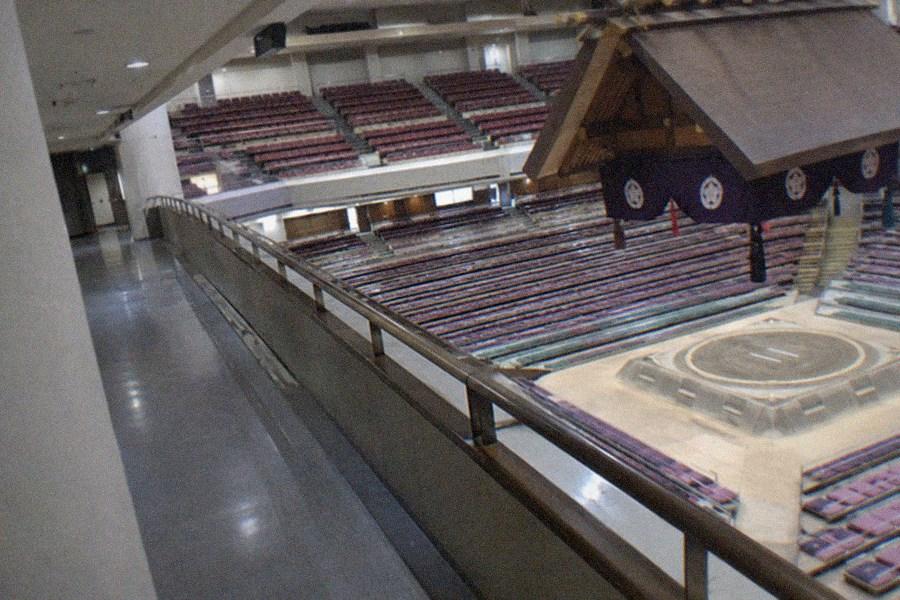
The address to have on your phone is Ryogoku Kokugikan 1F, 1-3-28 Yokoami, Sumida-ku, Tokyo 130-0015. From the JR Sobu Line's Ryogoku station, take the West Exit and the arena is a two minute walk: the building is the district's dominant landmark, and you will see it before you read any sign. The full address, station and exit are the only directions you need, because the museum is inside the arena rather than on a separate site.
The location shapes the visit. This is not a purpose-built museum with its own plaza and its own queue. It is a room on the ground level of a working sports venue, and the whole rhythm of the neighbourhood, from the Kokugikan itself to the streets around it, is built around sumo. Arriving on a weekday morning puts you in a quiet district; arriving on a tournament day puts you in a crowded one with a ticket barrier you cannot cross without a viewing ticket.
Because the museum is free, small in scale and weekday-only, the practical plan is simple: fold it into the start of a Ryogoku day. Arrive in the morning, see the museum while it is open, then spend the rest of the day in the neighbourhood. The one thing not to do is make it the single purpose of a trip from far across Tokyo on a Saturday, because the door will be shut.
What Will You See Inside The Sumo Museum?
The museum presents the history of sumo inside the Ryogoku Kokugikan, the arena where Tokyo tournament bouts are held. It is a compact, first-floor gallery within a working sports venue, not a standalone museum building, and what is on display changes with the exhibition schedule. Check the museum's own site for the current exhibition before making the trip.
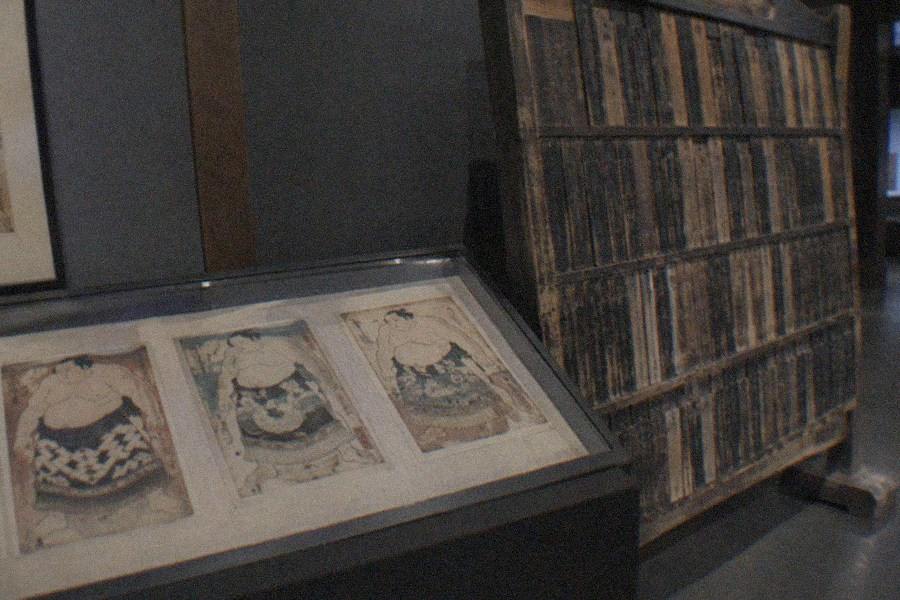
The permanent subject is the sport's history: how sumo reached the form it takes in the arena upstairs, and the record of that arena's own past. Because the museum sits inside the Kokugikan rather than in a neutral gallery block, the building is part of the content. You are reading the history of a sport inside the hall where its Tokyo tournaments are actually staged, which is a framing no standalone museum can copy.
Two practical notes follow from the changing exhibition schedule. First, the museum does not publish a fixed permanent-collection list in the way a large art museum does, so what greets you depends on when you come. Second, the exhibition calendar is the one thing worth checking on the museum's own page in the days before a visit, especially if you are travelling specifically for it rather than passing through Ryogoku.
Keep expectations in proportion. The price is zero and the footprint is a single floor of an arena, so this is a stop that rewards an hour of curiosity rather than half a day of planning. Pair it with the neighbourhood around the Kokugikan, where the sumo theme spills out onto the streets, and the visit adds up to more than the gallery alone.
What Else Can You Combine With The Sumo Museum In Ryogoku?
Ryogoku pairs naturally with two other museums. The Edo-Tokyo Museum stands at 1-4-1 Yokoami, reopened on 31 March 2026 after a roughly four-year renovation, charges 800 JPY for its permanent exhibition and closes on Mondays. The Sumida Hokusai Museum is also in Ryogoku, at 400 JPY, closed Monday.
The strongest pairing is with the Edo-Tokyo Museum, which reopened on 31 March 2026 after a closure of roughly four years, a fact many published guides still get wrong. Its permanent exhibition is 800 JPY, it is a short walk from the same Ryogoku station area, and because it closes on Mondays while the Sumo Museum opens on them, the two cover each other's off days across the week. The association's own visitor information is at edo-tokyo-museum.or.jp.
The Sumida Hokusai Museum completes the Ryogoku set: 400 JPY for its permanent AURORA collection, closed on Monday, also walkable from the same station. Add the Kokugikan itself on a tournament day and the district holds a full itinerary, with the free Sumo Museum as the easiest stop of the three, provided you come on a weekday.
One pass warning. The Tokyo Museum Grutto Pass does not cover The Sumo Museum, and it also excludes both teamLabs, the Ghibli Museum, Warner Bros. Studio Tour Tokyo, Sanrio Puroland, the National Art Center, Nezu, Artizon, Meiji Jingu, the Railway Museum, Hakone Open-Air, SMALL WORLDS, the Unko Museum, Madame Tussauds, Tokyo Trick Art, both Yokohama museums, Edo Wonderland and special exhibitions almost everywhere. Where a facility is covered, the pass gives either free entry or a discount, and which one differs per facility. The full official split is published at rekibun.or.jp/grutto. For this museum the answer is simpler than any pass: admission is already free, and no card improves on zero.
Questions People Ask
Is The Sumo Museum free to enter?
Yes, general admission is free: the door price is 0 JPY and no ticket is sold in normal weeks. The catch sits beside the price. The museum is closed Saturdays, Sundays and national holidays, and during a Tokyo Grand Sumo tournament you need a tournament viewing ticket to enter, sold by the Japan Sumo Association.
Do You Need A Tournament Ticket To Visit During A Basho?
Yes. The museum sits inside the Ryogoku Kokugikan, and while a Tokyo Grand Sumo tournament is running, the museum is reachable only with a Grand Sumo viewing ticket for that day, sold by the Japan Sumo Association through its own channels. If tournament tickets for the day are sold out, the museum is effectively sold out too, despite being free.
Is The Sumo Museum Open On Weekends?
No. It is closed Saturdays, Sundays and national holidays, which is the main trap: most visitors come to Ryogoku at the weekend, exactly when the doors are shut. Plan the visit onto a weekday instead, when the museum is open 10:00 to 16:30 in normal weeks, or 12:30 to 16:00 during a Tokyo tournament.
What Are The Opening Hours?
On normal days the museum opens 10:00 to 16:30. During a Tokyo Grand Sumo tournament the hours shift to 12:30 to 16:00, because the day is structured around the bouts in the arena and entry is tied to a viewing ticket. The museum is closed Saturdays, Sundays and national holidays in both cases.
How Do You Get To The Sumo Museum?
The address is Ryogoku Kokugikan 1F, 1-3-28 Yokoami, Sumida-ku, Tokyo 130-0015. The nearest station is JR Sobu Line Ryogoku, West Exit, a two minute walk away. The Kokugikan arena is the district's dominant landmark, so the museum is easy to find once you are out of the station.
Can You Walk In Without Booking?
Yes, in normal weeks. There is no ticket, no timed slot and no reservation for the museum itself: you simply walk in on a weekday between the opening hours. The only exception is a Tokyo Grand Sumo tournament, when a Grand Sumo viewing ticket is required. That is the one thing that cannot be walked past.
Is The Sumo Museum On The Grutto Pass?
No, it is not covered. The Tokyo Museum Grutto Pass excludes it along with both teamLabs, the Ghibli Museum, Warner Bros. Studio Tour Tokyo and many others, and where it does apply it gives either free entry or a discount depending on the facility. Since the Sumo Museum is already free, no pass improves on the price anyway.
Is The Sumo Museum Open On A Monday?
Yes, it is open on Mondays, which makes it unusual among Tokyo's large museums: the Ueno nationals and several others close on Mondays. A Monday visit to Ryogoku, taking in the free Sumo Museum and the reopened Edo-Tokyo Museum on another day, is one of the more efficient ways to arrange the district.
Other History Museums Worth A Look
Edo-Tokyo Open Air Architectural Museum
Koganei Park, Koganei
from $191private guided museum tour, not an admission ticket Check availability →