Where To See Edo: The Best History Museums In Tokyo
Tokyo tells its own history in a handful of very different buildings, and the most important one only reopened in March 2026 after four years shut. Most published guides still say it is closed. Here is where Edo actually is, what each museum charges, and which days catch people out.
Short answer
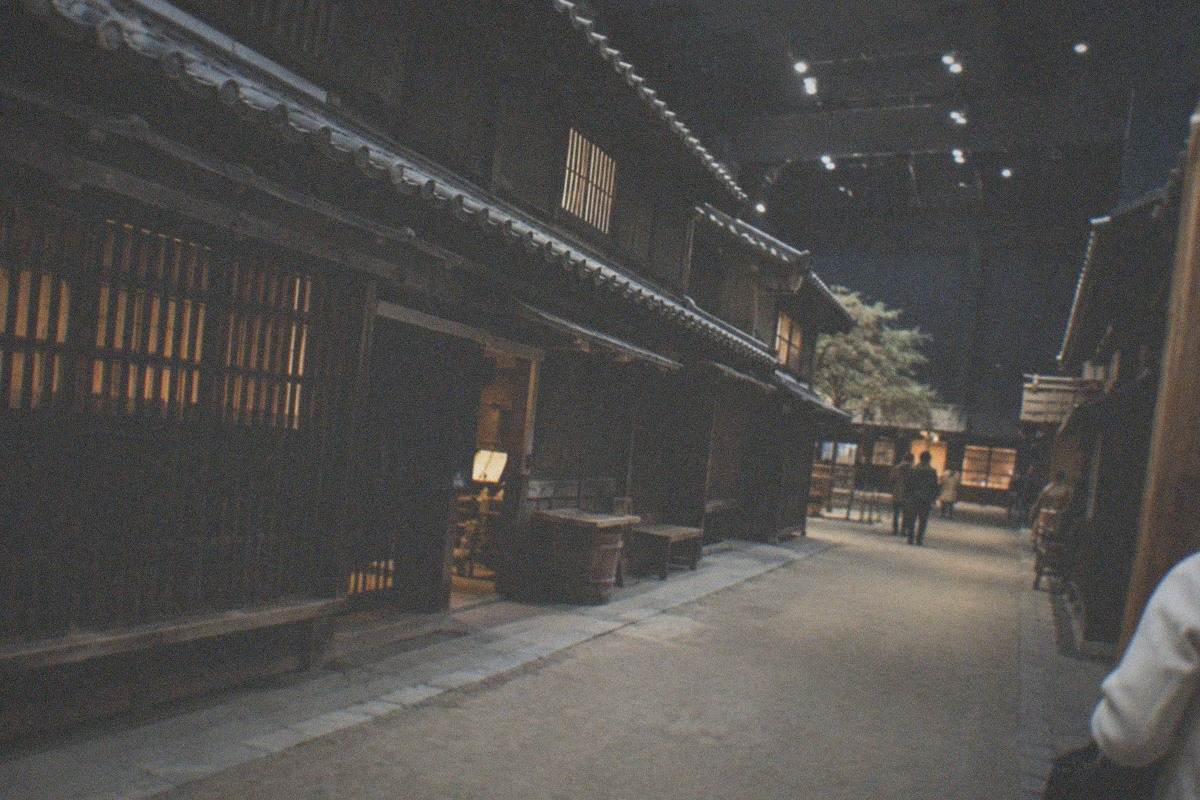
The best history museums in Tokyo are the Edo-Tokyo Museum in Ryogoku, reopened 31 March 2026 with an 800 JPY door price, the Edo-Tokyo Open Air Architectural Museum in Koganei at 400 JPY, the Tokyo National Museum at 1,000 JPY, and the free Sumo Museum. Most close on a Monday, so plan the day around that.
Tokyo does not keep its history in one place. The city that became a capital in the Meiji era, burned, rebuilt, burned again and rebuilt once more keeps its past in a scatter of buildings across Sumida, Taito, Koto and, if you count the day trips, well beyond the 23 wards. The single biggest change on this map happened on 31 March 2026, when the Edo-Tokyo Museum in Ryogoku reopened after roughly four years of renovation, and most of the English-language guides you will find online still tell you it is shut. That single error is the reason this page exists.
Use the guide’s independent advice to choose the right experience first. After the FAQ, compare the relevant dated options and confirm the details that affect your itinerary. Explore Edo-Tokyo Museum
This guide from Tokyo Museums walks through the history venues in the order you would actually plan them: the two Edo-Tokyo museums that people confuse, the national museum that holds the deepest collection, the samurai and sumo stops, and the theme-park version of Edo up in Nikko. Door prices are in yen, the price a visitor actually pays at a Tokyo ticket window. Closing days matter more here than in any other category, because the history cluster in Ryogoku and Ueno shuts hard on Mondays.
What Are The Best History Museums In Tokyo?
The best history museums in Tokyo are the Edo-Tokyo Museum in Ryogoku, the Edo-Tokyo Open Air Architectural Museum in Koganei, the Tokyo National Museum in Ueno Park, the Meiji Jingu Museum in Yoyogi, the free Sumo Museum in Ryogoku and the Fukagawa Edo Museum in Koto. Each covers a different slice, from Jomon pottery to the modern rebuilt city, and most of them close on a Monday.
The honest answer depends on which history you came for. The Tokyo National Museum in Ueno Park holds the deepest collection in the country, with the TNM Collection Exhibitions at 1,000 JPY covering Japanese art and archaeology across millennia, and it belongs on any history itinerary even though most of its galleries are art galleries. The Edo-Tokyo Museum is the city museum, the one that tells the story of the shogun's capital turning into the modern metropolis, and it is the one that reopened. Its sister venue in Koganei, the Edo-Tokyo Open Air Architectural Museum, is a park full of relocated buildings rather than a gallery, a completely different day out that people book when they mean the other one.
Around the edges sit the specialists. The Meiji Jingu Museum, 1,000 JPY and closed Thursdays, sits inside the shrine grounds at Yoyogi and covers the imperial history the shrine commemorates. The Fukagawa Edo Museum, 400 JPY and closed the 2nd and 4th Mondays, recreates an entire Shitamachi neighbourhood under one roof. The Sumo Museum at Ryogoku Kokugikan is free, and the Samurai Ninja Museum in Asakusa, 3,000 JPY at the door, runs a guided experience rather than a display collection. If you have a full day and a JR Pass, the Tokyo museum day trips guide covers how far each of these actually is from a Shinjuku hotel.
| Museum | Area | Adult door | Closed | Book ahead |
|---|---|---|---|---|
| Edo-Tokyo Museum | Ryogoku, Sumida | 800 JPY | Monday | Walk in |
| Edo-Tokyo Open Air Architectural Museum | Koganei Park, Koganei | 400 JPY | Monday | Walk in |
| Tokyo National Museum | Ueno Park, Taito | 1,000 JPY | Monday | Walk in |
| Meiji Jingu Museum | Yoyogi, Shibuya | 1,000 JPY | Thursday | Walk in |
| Fukagawa Edo Museum | Shirakawa, Koto | 400 JPY | 2nd and 4th Mondays | Walk in |
| The Sumo Museum | Ryogoku, Sumida | Free | Sat, Sun and holidays | Walk in, except basho |
| Samurai Ninja Museum Tokyo | Asakusa, Taito | 3,000 JPY | Calendar-driven | Timed slot, book ahead |
Is The Edo-Tokyo Museum Open Again?
Yes. The Edo-Tokyo Museum reopened on 31 March 2026 after a renovation of roughly four years, and it is open now at 800 JPY for the permanent exhibition, closed Mondays, nearest station Ryogoku on the JR Sobu Line and the Toei Oedo Line. Most guides still list it as closed, which was true for four years and stopped being true in spring 2026.
The museum's own visitor information page is the place to confirm a date, because a museum that has just reopened adjusts its programme as exhibitions bed in. What you get inside is the city's story from the founding of the shogunate through the fires, the Meiji renaming, the earthquake, the war and the rebuild, told with full-scale reconstructions rather than cases of fragments. The permanent exhibition is the 800 JPY ticket. The museum also sells through online channels and play guides, and the first-floor ticket counter handles same-day entry.
Two practical points. It is closed on Mondays, and the standard Japanese holiday rule applies: when the Monday is a national holiday the museum opens and closes the following weekday instead. And it sits in Ryogoku, two minutes from the Sumo Museum and a short walk from nothing else, so it pairs naturally with a sumo morning rather than with Ueno.
The Edo-Tokyo Museum page on this site carries the full at-a-glance breakdown, and Check availability beside it shows the live listing for your dates.
The three venues above cover the spread of the category: the reopened city museum, the national collection, and the full-scale theme-park version of Edo up in Nikko. The rest of this guide works through each of them, plus the free and the walk-in stops that sit around them.
Is The Open Air Architectural Museum The Same Museum?
No. The Edo-Tokyo Open Air Architectural Museum is a different venue in a different borough: a park in Koganei holding relocated buildings, 400 JPY entry, closed Mondays, about 50 to 70 minutes from Shinjuku. It never closed, despite a stale closure banner on its own holiday page, and it shares nothing but a parent and a name with the Ryogoku museum.
The confusion is understandable, because both are run under the same foundation and both tell the city's story. But the Koganei museum is a park of real buildings moved from across Tokyo, from farmhouses to a Kodak shop, where you walk through the architecture rather than past it. The museum's own holiday page still displays an old temporarily closed banner from the pandemic era; the venue is operating, and the page is wrong. Individual restored buildings have been closed for repair work since late August 2026, so one or two of the houses may be shut on a given day even though the park itself is open.
It is also the best-value venue on the Grutto Pass for this whole lineup: the pass gives free entry on both permanent and special exhibitions there, against a 400 JPY door price, and the museum honours its free days too. It is free on 1 October, Tokyo Citizens' Day, Silver Day, the third Wednesday of the month, is free for visitors 65 and over, and Family Day, the third Saturday and the following Sunday, is half price for a Tokyo-resident guardian accompanying a child under 18. Both rules are live on the museum's own admission pages, and a widely repeated claim that they are suspended is wrong.
Getting there is the catch. From Shinjuku, the JR Chuo Rapid to Musashi-Koganei and then a Seibu bus takes about 50 to 70 minutes each way, with a return fare roughly in the 700 to 1,100 yen range. That is a half day, not a quick stop, and it is the reason people who meant one museum and booked the other end up frustrated.
Where Do You See Samurai And Sumo History?
The Sumo museum at Ryogoku Kokugikan is free and needs no ticket in normal weeks, but it is closed Saturdays, Sundays and national holidays, and during a Tokyo tournament you need a Grand Sumo viewing ticket to reach it. The Samurai Ninja Museum Tokyo in Asakusa, 3,000 JPY at the door, is a guided experience with armour and shuriken, booked in timed slots.
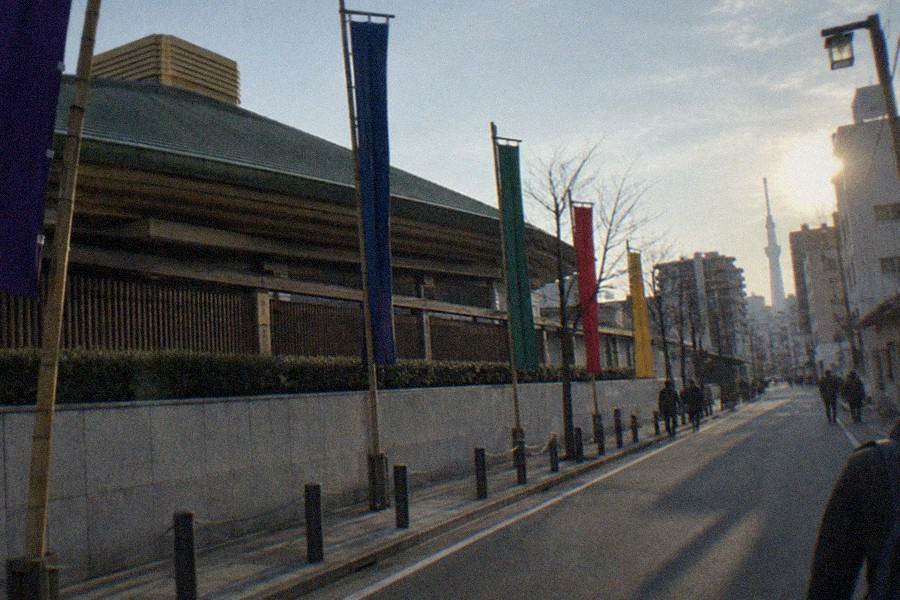
The Sumo Museum's traps are both real. It is genuinely free, and it is genuinely shut on the days most visitors are in Ryogoku, which is weekends. During a Tokyo basho, the arena it sits inside is running a tournament, and the free museum is only reachable with a tournament ticket sold by the Japan Sumo Association. In a normal week you walk in. It sits on the first floor of the Kokugikan, two minutes from JR Ryogoku's west exit, which makes it the natural pairing with the Edo-Tokyo Museum across the street.
The samurai side needs a warning about names. The Samurai Museum Tokyo in Kabukicho is permanently closed, since January 2022, and any product that appears to sell it is in fact selling a different venue run by Maikoya. The current operator runs the Samurai Ninja Museum Tokyo in Asakusa, 1-8-13 Nishi-Asakusa, two minutes from Tawaramachi station, and opened a second branch, Samurai Ninja Museum Shinjuku, in December 2025 at 5-17-13 Shinjuku, two minutes from Shinjuku-sanchome. Both are unrelated to the closed Kabukicho site. The basic Asakusa ticket, about 3,000 JPY for an adult, covers entry, a guided tour, trying on samurai armour and shuriken throwing, with upgrade packages running from 6,000 to over 12,000 JPY. The venue runs a calendar rather than a fixed weekly closing day, so check its own site for the date. The samurai, ninja and sumo museums guide compares the two branches and the experiences in full.
Which History Museums Are Open On A Monday?
On a Monday, the open history venues in this lineup are the Sumo Museum, the Samurai Ninja Museum Tokyo, the Meiji Jingu Museum and Edo Wonderland Nikko Edomura. The Tokyo National Museum, the Edo-Tokyo Museum, the Edo-Tokyo Open Air Architectural Museum and the Fukagawa Edo Museum all close on Mondays, and the Fukagawa museum also shuts the second and fourth Monday of the month.
Monday is the day the Ueno and Ryogoku history clusters go dark, and it catches visitors who plan a museum-heavy Monday around the big names. The standard holiday rule softens it: when the Monday is a national holiday, the Monday-closing museums open and take their closure the following weekday instead. But on an ordinary Monday the practical plan is Meiji Jingu, where the museum is open because its closing day is Thursday, or the free Sumo Museum, or crossing to the Asakusa samurai experience, which runs on a calendar rather than a fixed day.
Fukagawa is the odd one. Its closure is the 2nd and 4th Mondays specifically, so on the first and third Monday of the month the 400 JPY recreated Edo neighbourhood is open, a genuinely useful quirk for a Monday plan in Koto. The Meiji Jingu Museum, 1,000 JPY, closed Thursdays, covers the imperial history of the shrine's namesake, and the shrine grounds themselves are free, in the shrine's own words there is no admission fee for Meiji Jingu, fees are charged at some facilities such as the museum in the precinct.
How Much Do History Museum Tickets In Tokyo Cost?
History museum door prices in Tokyo run from free to 5,800 JPY: the Sumo Museum is free, Fukagawa Edo Museum and the Open Air Architectural Museum are 400 JPY, the Edo-Tokyo Museum is 800 JPY, the Tokyo National Museum and Meiji Jingu Museum are 1,000 JPY, the Samurai Ninja Museum is about 3,000 JPY, and the Edo Wonderland day pass in Nikko is 5,800 JPY.
None of these needs a booking except the samurai experience, which runs timed slots. That makes the history category the cheapest and most flexible in the city, and it also makes the Grutto Pass arithmetic worth a look. The pass costs 2,500 JPY and covers 107 facilities, but it is not a free-entry card everywhere: each listing on it is either free entry or a discount, and which one differs per facility.
| Venue | Door price | Grutto Pass treatment |
|---|---|---|
| Edo-Tokyo Museum | 800 JPY | Free entry, permanent exhibition |
| Edo-Tokyo Open Air Architectural Museum | 400 JPY | Free entry, permanent and special |
| Museum of Contemporary Art Tokyo | 500 JPY collection | Free entry, MOT Collection |
| The Sumida Hokusai Museum | 400 JPY | Free entry, permanent exhibition |
| Fukagawa Edo Museum | 400 JPY | Free entry, both exhibitions |
| Tokyo National Museum | 1,000 JPY | Discount only, collection |
The exclusions matter as much as the inclusions. The pass excludes the Samurai Ninja Museum, the Sumo Museum, Meiji Jingu Museum, Edo Wonderland, both Yokohama museums and special exhibitions almost everywhere. Counting only the free-entry venues, five of them, the ones reachable without the currently closed Miraikan, total exactly 2,500 JPY, which is the pass price to the yen. The Tokyo museum pass guide works the full break-even, including why the commonly repeated three-or-four-visits claim is wrong.
Is The Tokyo National Museum Really A History Museum?
Partly. The Tokyo National Museum at Ueno Park is the oldest and deepest national collection in Japan, and its TNM Collection Exhibitions, 1,000 JPY, cover archaeology and imperial history alongside fine art. It closes Mondays, sits beside two other national museums, and its winter 2026 schedule closes whole galleries, so check the room list before a December visit.
If your history interest runs to samurai swords, Jomon pottery, Buddhist sculpture and the material culture of the court, the national museum is the strongest single building in the country for it, and the collection ticket covers all the main galleries. The winter schedule is the catch: Honkan Room 4 closes from 26 October 2026 to 26 April 2027, Rooms 2-3 close from 14 December to the same April date, Rooms 17-20 and the whole Toyokan close from 30 November to 31 December, the museum shuts entirely on 15 December for facility inspection, and from 22 to 25 December only the Horyu-ji Treasures Gallery and the Kuroda Memorial Hall are open, with the museum fully closed 26 to 31 December. The museum's own admission page carries the live version.
The free days are worth writing into a plan: collection exhibitions are free on 19 May, 21 September and 3 November 2026, and under-18s and over-70s enter the collection free every day with proof of age. The Tokyo National Museum page has the full concession grid, and the Ueno Park museums guide covers how to stack it with the Western Art and Nature and Science museums in the same park, both of which also close on Mondays.
What About Edo Wonderland Nikko Edomura?
Edo Wonderland Nikko Edomura is a full-scale Edo-period theme park in Nikko, two hours or more from central Tokyo, with an adult day pass at 5,800 JPY and an afternoon pass at 5,000 JPY. It is not strictly a museum, it is a day trip, and it is the version of Edo where costumed townspeople and ninja shows do the storytelling.
It earns a place on a history itinerary only with honest framing. What you get is a recreated town from the shogunal era, populated by performers, with street theatre, a ninja maze and a geisha district, at Kinugawa-Onsen up in Tochigi, reached by the Tobu line and then a bus. The one-day pass is 5,800 JPY for adults and 3,000 JPY for children, with a 65-plus rate of 4,700 JPY and pre-schoolers free. The afternoon pass, valid from 14:00 or 13:00 in winter, is 5,000 JPY. The park runs a calendar rather than a fixed weekly closing day, so check its own site for the date. Journey times and fares from Tokyo were never verified as operator figures, so plan on a long full day and check a route planner rather than trusting a published time.
The Edo Wonderland page carries the live listing. If the question is whether it replaces a Tokyo museum day, it does not: it replaces a Nikko day, and Nikko's shrines are the other half of that trip.
Do You Need To Book History Museum Tickets Ahead?
Almost never. The Edo-Tokyo Museum, the Open Air Architectural Museum, the Tokyo National Museum, Meiji Jingu, Fukagawa and the Sumo Museum all sell at the door or the counter on the day. The one timed-slot booking in the history category is the Samurai Ninja Museum Tokyo, and the two advance-only venues in the wider city, the Ghibli Museum and the Fujiko F. Fujio Museum, are pop-culture venues, not history.
This is the category where you can improvise. Walk-up is the rule at every history venue on this page, and the only planning that genuinely matters is the day of the week, not the ticket. The samurai experience is the exception: it runs timed slots and sells through the operator's own site and the live listing, and quiet-day availability is real. The Fukagawa Edo Museum also sells a three-museum combined ticket through its own foundation, which pairs it with other Koto venues.
One planning note for the whole city: the two museums that cannot be walked into at all, the Ghibli Museum in Mitaka and the Fujiko F. Fujio Museum in Kawasaki, sell date-and-time-specified advance tickets only, Ghibli through Lawson Ticket at 10:00 JST on the 10th of each month for the following month, first come, and Fujiko through its own e-tix system. Neither is a history museum, but both appear on pop-culture itineraries that also carry the samurai and Edo stops, and the what to book ahead guide sorts the whole city by booking requirement.
| Venue | Booking requirement | Where to buy |
|---|---|---|
| Edo-Tokyo Museum | Walk in | First-floor counter on the day, online in advance |
| Edo-Tokyo Open Air Architectural Museum | Walk in | Reception counter, or a date-specified online ticket |
| Tokyo National Museum | Walk in | Main-gate counters, or the online collection ticket |
| Meiji Jingu Museum | Walk in | Museum counter only, no online ticket |
| Fukagawa Edo Museum | Walk in | Counter on the day |
| The Sumo Museum | Walk in, except basho | No ticket at all in normal weeks |
| Samurai Ninja Museum Tokyo | Timed slot, book ahead | Operator's own site, or the live listing |
What Is The Best History Museum Day In Tokyo?
The best single history day pairs the Edo-Tokyo Museum and the free Sumo Museum in Ryogoku, both within two minutes of Ryogoku station, on any day but a Monday, with the Fukagawa Edo Museum as a Koto alternative. For a deeper day, add the Tokyo National Museum in Ueno, which needs its own half day and its own Monday check.
Ryogoku is the history district, and it is small enough that the museum, the Kokugikan and the sumo-stable streets fit a morning. Ueno is the collection district, three national museums in one park, and it demands a full afternoon. Koganei is the buildings district, and it demands a half day of travel. The mistake to avoid is trying to do Ryogoku and Ueno and Koganei in one day: the first two share a train line, the third does not.
A workable two-day plan: day one, Ueno in the morning for the national museum and the park, then the Chuo line to Ryogoku for the Edo-Tokyo Museum and the Sumo Museum, any day except Monday. Day two, Meiji Jingu and its museum in the morning, then the samurai experience in Asakusa in the afternoon, or the trip out to Koganei if the weather holds. The best museums in Tokyo guide places the history venues in the full city ranking, and the rainy day museums guide has indoor-only versions of the same plan.
Common Questions About History Museums In Tokyo
Is the Edo-Tokyo Museum open again?
Yes. It reopened on 31 March 2026 after a renovation of roughly four years. The permanent exhibition is 800 JPY, it is closed Mondays, and the nearest station is Ryogoku on the JR Sobu Line and the Toei Oedo Line.
Is the Edo-Tokyo Open Air Architectural Museum the same museum?
No. It is a different venue in Koganei Park, a park of relocated historic buildings at 400 JPY, closed Mondays, about 50 to 70 minutes from Shinjuku. It never closed, despite a stale banner on its own holiday page, though individual buildings have been closed for repair since late August 2026.
Which history museums in Tokyo are open on a Monday?
The Sumo Museum, the Samurai Ninja Museum Tokyo, the Meiji Jingu Museum and Edo Wonderland Nikko Edomura. The Tokyo National Museum, the Edo-Tokyo Museum, the Edo-Tokyo Open Air Architectural Museum and the Fukagawa Edo Museum all close on Mondays, though Fukagawa only shuts the second and fourth Monday of the month.
How much do history museum tickets in Tokyo cost?
From free to 5,800 JPY. The Sumo Museum is free, Fukagawa and the Open Air Architectural Museum are 400 JPY, the Edo-Tokyo Museum is 800 JPY, the Tokyo National Museum and Meiji Jingu Museum are 1,000 JPY, the Samurai Ninja Museum is about 3,000 JPY, and the Edo Wonderland day pass is 5,800 JPY.
Do you need to book history museum tickets ahead?
Almost never. Every history venue on this page sells at the door except the Samurai Ninja Museum Tokyo, which runs timed slots and should be booked ahead. The city's two advance-only museums, Ghibli and Fujiko F. Fujio, are pop-culture venues, not history museums.
Is the Sumo Museum free?
Yes, genuinely free, with two catches: it is closed Saturdays, Sundays and national holidays, and during a Tokyo tournament you need a Grand Sumo viewing ticket to enter the Kokugikan at all.
Is the Samurai Museum in Shinjuku the old Kabukicho one?
No. The old Kabukicho Samurai Museum closed permanently in January 2022. The current operator, Maikoya, runs the Samurai Ninja Museum in Asakusa and opened a second Shinjuku branch in December 2025, both unrelated to the closed site.
What is the best history museum day in Tokyo?
Ryogoku: the Edo-Tokyo Museum and the free Sumo Museum sit two minutes from the same station, on any day but a Monday. Add Ueno's national museum for a deeper day, or the Fukagawa Edo Museum for a Koto alternative.
Choose Your Museum Experience
Start With This Option
Have a date in mind? Plan Edo-Tokyo Museum before arranging the rest of your day.
A private guided visit to the Edo-Tokyo Museum in Ryogoku, about 2 hours 15 minutes. This is the indoor museum, not the open-air museum in Koganei.
Tailor Your Choice And Compare Alternatives
Edo-Tokyo Museum: A private guided visit to the Edo-Tokyo Museum in Ryogoku, about 2 hours 15 minutes. This is the indoor museum, not the open-air museum in Koganei.
Tokyo National Museum: Tokyo National Museum admission in Ueno for the selected ticket type. A special exhibition is a separate purchase unless your option explicitly includes it.
Edo Wonderland Nikko Edomura: Admission to the recreated Edo-period town and performances at Edo Wonderland near Nikko. Travel from Tokyo is separate.
Set your Edo-Tokyo Museum date before arranging the rest of your day.
Choose Your Edo-Tokyo Museum Date