Samurai And Sumo Museums In Tokyo: What Is Actually Open
The samurai museum that half of Tokyo's online guides still recommend has been shut since January 2022. Here is what replaced it, where the genuine sword collections live, and how to see sumo culture in Ryogoku when no tournament is on.
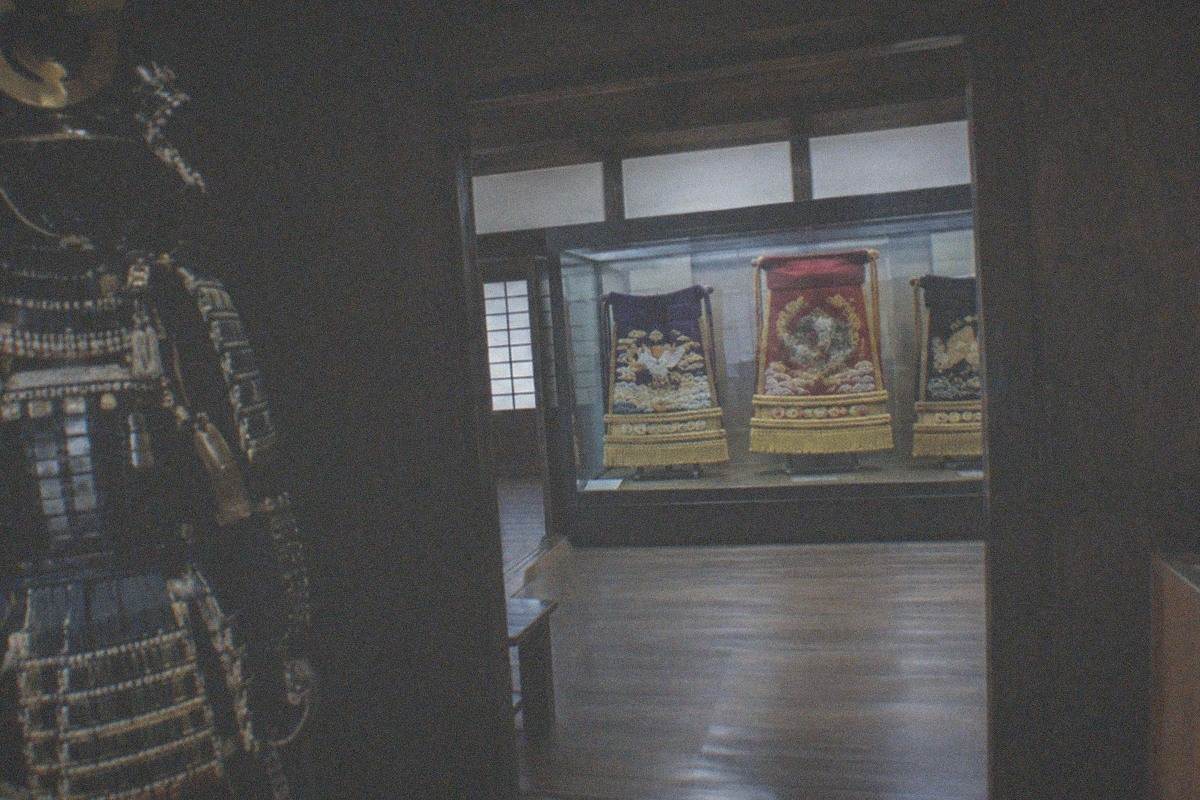
Short answer
The Samurai Museum in Kabukicho closed permanently in January 2022. The venues open now are the Samurai Ninja Museum in Asakusa, a Shinjuku branch that opened in December 2025, the free Sumo Museum in Ryogoku (closed weekends), and the Edo-Tokyo Museum, which reopened on 31 March 2026 after four years.
The Samurai Museum on Kabukicho's main strip shut its doors in January 2022, and the building's operator confirmed the closure on its own site. Search for a samurai museum in Tokyo today and you will still find page after page describing that venue, its sword displays and its evening shows, as if nothing happened. Visitors keep arriving at the locked door: one review from December 2025 records a tourist who booked a Shinjuku samurai product and walked to the old Kabukicho address expecting to get in.
Use the guide’s independent advice to choose the right experience first. After the FAQ, compare the relevant dated options and confirm the details that affect your itinerary. Explore Samurai Ninja Museum Tokyo
Tokyo has not lost its samurai and sumo content, though. It has moved. The operator behind the current venues runs an Asakusa museum with real armour and sword experiences, and opened a second branch in Shinjuku in December 2025. The sword collections that matter are in the national museums, not in an entertainment district. And sumo culture in Ryogoku survives year-round, not only during the three tournaments held in the capital each year. This guide sorts out what exists, what it costs, and how to book it.
Is The Samurai Museum In Kabukicho Still Open?
No. The Samurai Museum at 2-25-6 Kabukicho, Shinjuku closed permanently in January 2022, and its own website confirms the closure. It does not reopen, and no successor venue occupies the site. Every product sold today under a Shinjuku samurai name belongs to a different operator's venue, either in Asakusa or at the new Shinjuku branch that opened in December 2025.
The closure is not a rumour and not a renovation. The museum's own domain states it plainly, and the site has not traded in years. What keeps the confusion alive is the long tail of travel content: articles ranking "the best samurai museums in Tokyo" are recycled year after year, and the address keeps circulating because it ranked well once.
There is a second, sharper trap. Booking products that appear to sell the old museum are actually selling something else entirely. The live listings under samurai names belong to Maikoya, the operator of the Samurai Ninja Museum in Asakusa, which states that its venues are unaffiliated with the closed Kabukicho site. A reader who books one of those products and then navigates to Kabukicho out of habit arrives at nothing.
The practical rule is simple: check the venue address on your booking against the museum's own page before you travel. If a listing says Shinjuku, confirm it means the December 2025 branch at 5-17-13 Shinjuku, two minutes from Shinjuku-sanchome station, and not the shuttered Kabukicho building.
Where Can You See Real Samurai Swords And Armour In Tokyo?
The genuine historical collections sit in the national museums: the Tokyo National Museum in Ueno Park holds the arms and armour galleries, and its collection exhibitions cost 1,000 JPY at the door. For a hands-on experience rather than glass-case viewing, the Samurai Ninja Museum in Asakusa sells timed slots from $20 that include armour try-on and shuriken throwing.
These are two different products and most visitors benefit from knowing which one they want. The Tokyo National Museum is a collection museum: rooms of swords, mounted armour and Edo-period weaponry, displayed with curatorial context and no touching. Its collection exhibitions are 1,000 JPY, it is closed on Mondays, and a discounted online collection ticket sells from $6.65. The museum's own visitor information page carries the current exhibition schedule. If you want to see the real thing, this is where it lives, and our Tokyo National Museum must-see highlights piece covers what to prioritise.
The Samurai Ninja Museum is the opposite: a small, experience-driven venue at 1-8-13 Nishi-Asakusa, two minutes from Tawaramachi station, where the basic adult ticket runs about 3,000 JPY at the door and covers entry, a guided tour, armour try-on and shuriken throwing. It rates 4.6 across 1,879 reviews. Upgrade packages adding ninja training, tameshigiri sword cutting or a tea ceremony run from 6,000 to over 12,000 JPY including admission. Slots are timed, so booking ahead is the norm rather than the exception.
A third option splits the difference. The Edo Wonderland theme park in Nikko stages full Edo-period streets with costumed samurai, and the Edo Wonderland Nikko Edomura day trip section of our day-trip guide covers the logistics in detail. It is a theme park, not a museum, and it should be described honestly as one, but for families it delivers more sword-and-armour atmosphere than any single Tokyo venue.
| Venue | Area | What you get | Adult door price | Booking style |
|---|---|---|---|---|
| Tokyo National Museum | Ueno Park | Curated sword and armour galleries | 1,000 JPY | Walk in, closed Monday |
| Samurai Ninja Museum Tokyo | Asakusa | Guided tour, armour try-on, shuriken | about 3,000 JPY | Timed slot, book ahead |
| Samurai Ninja Museum Shinjuku | Shinjuku | Same operator, second branch | not published | Timed slot, book ahead |
| Edo Wonderland Nikko Edomura | Kinugawa-Onsen, Nikko | Edo-period theme park town | 5,800 JPY | Walk in, full day |
| Old Kabukicho Samurai Museum | Kabukicho | Nothing: closed since January 2022 | n/a | n/a |
The Shinjuku branch deserves one honest note: it opened in December 2025, its weekly closing day is not published, and it runs a calendar rather than a fixed day off, so check the operator's own site for the date you have in mind. The Asakusa branch works the same way. Neither venue should be confused with the closed Kabukicho site, a point the operator itself makes on its own website.
What Does The Samurai Ninja Museum Tokyo Ticket Include?
The basic ticket at the Asakusa venue covers museum entry, a guided tour, trying on samurai armour and a shuriken throwing session, at about 3,000 JPY for an adult bought at the door and from $20 for an online timed slot. Children pay about 2,700 JPY. Upgrades add ninja training, sword cutting or a tea ceremony, from 6,000 to over 12,000 JPY.
The base experience is genuinely interactive, which is the whole reason to choose it over a collection museum. You wear the armour, you throw the star, and the guide walks the group through the displays rather than leaving you to read labels. Reviews bear this out: 4.6 across 1,879 reviews is a strong score for a venue whose product is a scheduled activity rather than a stroll.
Booking mechanics matter more here than at most Tokyo museums. Slots are timed and the venue sells ahead, so the day you want may be gone by the time you arrive in the country. The from-price of $20 on the live listing is for the basic slot; the upgrade packages are priced separately and, at 6,000 to over 12,000 JPY, are a considered purchase rather than an impulse. A child ticket at about 2,700 JPY makes the family maths easier than at most theme-park alternatives.
The venue sits in Asakusa, which is the one part of Tokyo where a samurai stop slots into a wider day without any transit detour. Kaminarimon gate, Nakamise street and Senso-ji are all within a short walk, and the museum is two minutes from Tawaramachi station. If your itinerary already includes Asakusa, this is the samurai option that costs you no extra travel time.
One comparison worth making before you book: the Tokyo National Museum's arms and armour galleries cost 1,000 JPY and show you centuries of the real thing under glass. The Samurai Ninja Museum costs roughly three times that and lets you wear a reproduction. Families with children almost always prefer the second; visitors with a serious interest in swordsmithing prefer the first, and plenty of people do both on separate days. Our history museums in Tokyo guide places both in the wider context of the city's Edo-period collections.
Where Is Sumo Life In Tokyo When There Is No Tournament?
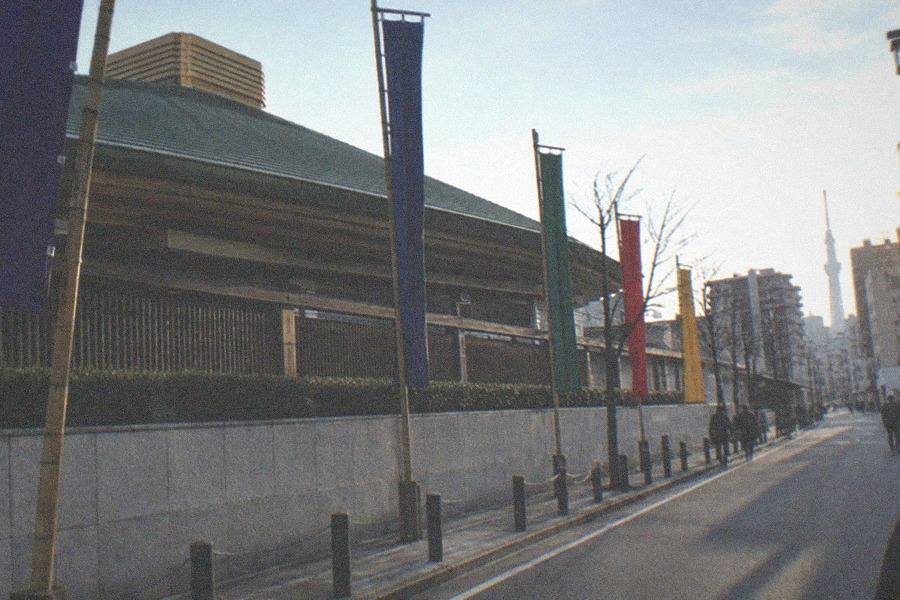
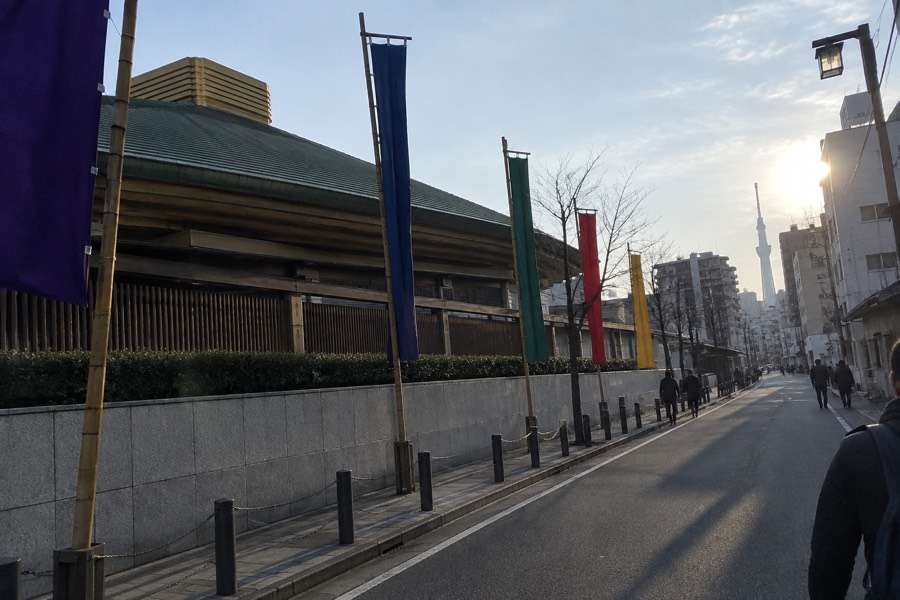
Ryogoku, on the east bank of the Sumida river, is sumo's permanent home in Tokyo regardless of tournament dates. The Kokugikan arena, the Sumo Museum inside it, the stable training mornings, the chanko hotpot restaurants and the walk-in Edo NOREN food hall all operate year-round. Tokyo hosts tournaments in January, May and September, and outside those months the neighbourhood runs on training and food.
The tournament calendar shapes everything here. During a Tokyo basho, the Kokugikan is the centre of the sporting world and the neighbourhood fills with fans, wrestlers in yukata and the associated commerce. Outside those weeks, Ryogoku does not shut down: the stables train in the early mornings, the restaurants serve chanko nabe, the specialty shops sell the wrestlers' oversized sandals and belts, and the museum inside the arena keeps its own hours.
One honest warning about timing: most out-of-towners visit Ryogoku on a weekend, and that is precisely when the free Sumo Museum is shut. It closes Saturdays, Sundays and national holidays, and during a tournament you cannot enter the arena at all without a tournament ticket sold by the Japan Sumo Association. A weekday morning visit is the reliable pattern.
For orientation, a pay-what-you-want walking tour exists that covers exactly this ground: GuruWalk lists a Ryogoku walk called "Sumo Beyond the Ring: The Daily Life of a Rikishi", an hour-and-a-half route from JR Ryogoku's west exit that passes the Kokugikan, the Sumo Museum, the Edo NOREN food hall and the sumo outfitters. You book the free slot, walk, and tip the guide what you think it was worth. It is a good fit for this neighbourhood precisely because the route is the neighbourhood.
Can You Visit The Sumo Museum Without A Tournament Ticket?
In normal weeks, yes, and it costs nothing: the Sumo Museum on the first floor of the Kokugikan is free, with no ticket at all. But it is closed Saturdays, Sundays and national holidays, and during a Tokyo tournament the whole arena is ticketed, so you need a Grand Sumo viewing ticket from the Japan Sumo Association to reach the museum at all.
The museum is small and that is fine, because the price is zero and the content is specific: portraits of past champions, the silk ceremonial aprons, tournament banzuke rankings and historical regalia, curated by the Sumo Association itself. You will spend twenty to forty minutes there, longer if you read the Japanese and English panels on the history of the sport. Its official overview page states the free admission and the tournament-weekend restriction.
The two traps are worth repeating because they catch almost everyone. First, the weekend closure: the museum's open days are weekdays, which is the opposite of most visitors' availability. Second, the basho rule: when a Tokyo tournament is running, the Kokugikan is a ticketed venue and the museum is inside it, so a free museum becomes unreachable without a paid tournament seat. Check the tournament calendar before you plan a Ryogoku day around it. More of these guides are collected on Tokyo Museums.
| Situation | Can you enter the Sumo Museum? | What it costs | Notes |
|---|---|---|---|
| Weekday, no tournament | Yes | Free, no ticket | Normal opening pattern |
| Saturday, Sunday or national holiday | No | n/a | Museum shut even in quiet weeks |
| Tokyo tournament week (Jan, May, Sep) | Only with a tournament ticket | Tournament price | Grand Sumo viewing ticket required |
| Arena event day, non-sumo | Varies | n/a | Check the Kokugikan schedule first |
A weekday morning pairing works well: the museum opens with the arena, and the Ryogoku streets outside are at their most authentic before the tour groups arrive. If your trip only allows a weekend, do not build the day around the museum; the Edo-Tokyo Museum a few minutes away is open Saturdays and Sundays, and the chanko restaurants trade all weekend.
What Else Is In Ryogoku On A Museum Day?
The Edo-Tokyo Museum, five minutes' walk from Ryogoku station, reopened on 31 March 2026 after a renovation of roughly four years, and its permanent exhibition costs 800 JPY. Add the free Sumo Museum on a weekday, the Edo NOREN food hall in the old station building, and the sumo stables' morning training, and Ryogoku fills a full day without a tournament in town.
The Edo-Tokyo Museum's reopening is the biggest change in this neighbourhood in years, and a remarkable amount of online content still describes it as closed. It is open. The permanent exhibition covers Edo and Tokyo across the centuries, with reconstructed streetscapes, and the museum's own visitor guide page carries current hours. Admission is 800 JPY for the permanent exhibition, and it is closed on Mondays, following the standard convention of opening on holiday Mondays and closing the following weekday instead. Our why the Edo-Tokyo Museum was closed post explains the four-year renovation and what changed when it ended.
One pricing warning that matters here: the Edo-Tokyo Museum sells through an online listing whose from-price is many times the 800 JPY door price, because that product is not plain admission. It bundles other services. Never compare the two figures as if they were the same thing, and if all you want is the permanent exhibition, the first-floor ticket counter on the day sells it at the door.
Around the museums, the neighbourhood itself is the exhibit. Edo NOREN occupies the former Ryogoku station building and serves regional Japanese food under replica Edo shopfronts, including a full-size sumo dohyo ring at its centre that you can stand on. Chanko restaurants line the streets toward the Kokugikan, serving the hotpot that wrestlers eat in training. The sumo outfitters near the station sell the giant sandals and mawashi belts that make Ryogoku unlike anywhere else in the city.
| Ryogoku stop | Type | Cost | Closed |
|---|---|---|---|
| Sumo Museum, Kokugikan 1F | Museum | Free | Sat, Sun, national holidays |
| Edo-Tokyo Museum | Museum | 800 JPY permanent | Monday |
| Edo NOREN | Food hall | Pay per dish | Check venue calendar |
| Chanko nabe restaurants | Dining | Pay per meal | Varies by restaurant |
| Sumo stables (morning training) | Viewing | Arrangement-dependent | Training schedules vary |
Is Edo Wonderland Nikko Edomura Worth The Long Trip?
Edo Wonderland is a full Edo-period theme park, not a museum, and it is a full day out of Tokyo: the adult one-day pass costs 5,800 JPY, the venue sits in Kinugawa-Onsen in Nikko, and online tickets sell from $36.59. Costumed samurai, ninja shows and a recreated town deliver more atmosphere than any single Tokyo venue, at the price of roughly a full day of travel.
Honesty first: this is a theme park. It says so itself. Costumed staff play townspeople, samurai and ninja through a recreated Edo settlement, with staged shows, a ninja house and interactive street theatre. It rates 4.7 across 699 reviews, and the 5,800 JPY one-day pass, the通行手形, covers the whole park. An afternoon pass valid from 14:00, or from 13:00 in winter, costs 5,000 JPY and suits travellers who cannot spare the morning.
The travel is the real cost. From Asakusa, the Tobu line runs toward Kinugawa-Onsen with a bus connection at the end, and the journey is long enough that the park should be the day's only plan, not one stop among several. Journey times and fares for this route are the kind of figure that varies with the train you catch, so plan from a route planner rather than a fixed number, and treat the day as a full one. Our Tokyo museum day trips guide covers how it compares with Hakone and the Railway Museum.
For families it is the strongest samurai-adjacent product in the wider region. Children who are too young for glass-case museums will watch the ninja shows for hours, and the park's scale means a full day passes without the queue fatigue of a Tokyo attraction. Adults travelling without children get more from the Tokyo National Museum's galleries and a Ryogoku morning, at a fraction of the cost and travel.
How Do You Plan A Samurai And Sumo Day In Tokyo?
The efficient pattern is a weekday: armour and shuriken at the Samurai Ninja Museum in Asakusa in a timed morning slot, then the JR Sobu line to Ryogoku for the free Sumo Museum and the Edo-Tokyo Museum's permanent exhibition at 800 JPY. On a weekend, swap the Sumo Museum for the Edo-Tokyo Museum and the chanko restaurants, which trade every day.
Start with the booking axis rather than the itinerary. The samurai venue sells timed slots and books ahead; the Sumo Museum needs no ticket at all but only opens on weekdays; the Edo-Tokyo Museum is a walk-in closed Mondays; the Tokyo National Museum is a walk-in also closed Mondays. Two of the four depend on the day of the week, which is why the calendar decides the plan before the map does.
For visitors who want the sword galleries as well, Ueno slots in on the same line: the Tokyo National Museum is ten minutes' walk from JR Ueno station, its collection ticket sells from $6.65 online, and it shares the Sumo Museum's neighbourhood logic in reverse, closed Mondays while Ryogoku's free museum is open. A Monday is therefore the worst day for this whole itinerary, since Ueno's nationals and the Edo-Tokyo Museum all shut, while Roppongi stays open.
| Day of week | Samurai Ninja Museum | Sumo Museum | Edo-Tokyo Museum | Tokyo National Museum |
|---|---|---|---|---|
| Monday | Timed slots | Open | Closed | Closed |
| Tuesday to Friday | Timed slots | Open | Open | Open |
| Saturday, Sunday | Timed slots | Closed | Open | Open |
| National holiday | Timed slots | Closed | Open, closes next weekday | Open, closes next weekday |
Budget the day around three figures: about 3,000 JPY at the samurai venue's door or from $20 booked, 800 JPY at the Edo-Tokyo Museum, and 1,000 JPY at the Tokyo National Museum if you add Ueno. Food in Ryogoku is priced by restaurant, and the chanko hotpots run higher than ordinary Tokyo lunches because they are the wrestlers' training food, made for appetite. Nothing in this itinerary requires a pass of any kind: the Grutto Pass discounts some of these museums, but it excludes the samurai venue and Edo Wonderland entirely, and the Sumo Museum is already free, so the pass earns little on this route.
Common Questions About Samurai And Sumo Museums In Tokyo
Is the Samurai Museum in Kabukicho still open?
No. It closed permanently in January 2022 and its own website confirms the closure. Any listing that appears to sell it is actually selling a different operator's venue in Asakusa or the Shinjuku branch that opened in December 2025.
Where is the samurai museum in Tokyo now?
The Samurai Ninja Museum Tokyo operates at 1-8-13 Nishi-Asakusa, two minutes from Tawaramachi station, and a second branch operates at 5-17-13 Shinjuku, two minutes from Shinjuku-sanchome. Both belong to the same operator and both run timed-entry slots.
How much does the Samurai Ninja Museum cost?
About 3,000 JPY for a basic adult ticket at the door, about 2,700 JPY for a child, covering entry, a guided tour, armour try-on and shuriken throwing. Online timed slots sell from $20. Upgrade packages run from 6,000 to over 12,000 JPY including admission.
Is the Sumo Museum in Ryogoku free?
Yes, genuinely free, with no ticket in normal weeks. Two catches: it is closed Saturdays, Sundays and national holidays, and during a Tokyo tournament you need a Grand Sumo viewing ticket to enter the Kokugikan arena it sits inside.
When can you see sumo in Tokyo without a tournament ticket?
Outside the January, May and September tournaments, Ryogoku still offers the free Sumo Museum on weekdays, morning training at the stables, the Edo NOREN food hall and the chanko restaurants. The neighbourhood operates year-round; only the arena is tournament-gated.
Is the Edo-Tokyo Museum open again?
Yes. It reopened on 31 March 2026 after a renovation of roughly four years, and the permanent exhibition costs 800 JPY. It is closed on Mondays, opening instead on holiday Mondays and closing the following weekday.
Where can you see real samurai swords in Tokyo?
The Tokyo National Museum in Ueno Park holds the significant arms and armour collections, at 1,000 JPY for the collection exhibitions, closed Mondays. The Samurai Ninja Museum offers handling and try-on experiences rather than historical collections.
Is Edo Wonderland a museum?
No, it is an Edo-period theme park in Kinugawa-Onsen, Nikko, and it is honest about that. The adult one-day pass costs 5,800 JPY and online tickets sell from $36.59. It is a full day trip from Tokyo, best for families who want atmosphere over artefacts.
Choose Your Museum Experience
Start With This Option
Have a date in mind? Plan Samurai Ninja Museum Tokyo before arranging the rest of your day.
Guided museum visit with hands-on samurai and ninja activities in Asakusa. This is a different venue from the former Kabukicho Samurai Museum.
Tailor Your Choice And Compare Alternatives
Samurai Ninja Museum Tokyo: Guided museum visit with hands-on samurai and ninja activities in Asakusa. This is a different venue from the former Kabukicho Samurai Museum.
Tokyo National Museum: Tokyo National Museum admission in Ueno for the selected ticket type. A special exhibition is a separate purchase unless your option explicitly includes it.
Edo Wonderland Nikko Edomura: Admission to the recreated Edo-period town and performances at Edo Wonderland near Nikko. Travel from Tokyo is separate.
Set your Samurai Ninja Museum Tokyo date before arranging the rest of your day.
Choose Your Samurai Ninja Museum Tokyo Date