The Sumida Hokusai Museum Tickets
Current admission is on the museum's own ticket page.
Official tickets →Opens the museum's own website. Book on the official site; nothing is charged on this page.
- Area
- Ryogoku, Sumida
- Theme
- Art museums
Ryogoku, on the east bank of the Sumida River, is the district Tokyo assigns to two things: sumo and the woodblock artist Katsushika Hokusai. The Sumida Hokusai Museum stands a short walk from Ryogoku Station, a purpose-built home for the permanent AURORA collection and an Education Room, both covered by a single low-priced admission ticket bought at the first-floor counter on the day. It is one of the most walk-in-friendly museums in this lineup: no timed entry, no advance release calendar, no sold-out slot to chase. It closes on Mondays like most of the city's art museums, and it pairs naturally with the reopened Edo-Tokyo Museum at the same station.
What Is The Sumida Hokusai Museum?
The Sumida Hokusai Museum is a purpose-built art museum in Ryogoku, Sumida, dedicated to the artist Katsushika Hokusai. It stands at 2-7-2 Kamezawa, a short walk from Ryogoku Station on the JR Sobu Line and the Toei Oedo Line, and it is closed on Mondays.
Sumida is Hokusai territory, and the museum sits at the centre of it. Where many Tokyo museums occupy reused buildings or towers, this one was built for a single subject, and the visit is shaped accordingly: a permanent collection, called AURORA, plus an Education Room, with special exhibitions rotating through on separate tickets. The scale is modest rather than monumental, which is part of the appeal. You are not signing up for a full-day Ueno-style museum complex; you are visiting a focused, single-artist institution that most people can move through comfortably in the morning and still have the afternoon for the neighbourhood.
The district around it does half the work of the trip. Ryogoku is sumo's home base in Tokyo, with the Kokugikan arena, chanko restaurants and the odd rikishi on the street, and the riverside is an easy walk toward Asakusa. A visitor who plans only the museum and nothing else undersells the area badly. The museum itself is the anchor, not the whole day.
It is worth being clear about what this museum is not, because Tokyo has several Hokusai-adjacent draws and confusion is common. This is the purpose-built museum in Ryogoku, not a temporary exhibition elsewhere in the city, and not one of the digital-art venues that dominate Tokyo's art listings. For those, see teamLab Borderless and teamLab Planets TOKYO, which are entirely different kinds of visit with entirely different ticketing rules.
How Much Do Sumida Hokusai Museum Tickets Cost?
Admission to the permanent AURORA collection and the Education Room costs 400 JPY, bought at the first-floor ticket counter on the day. Special exhibitions are priced separately per exhibition and generally include AURORA, so a combined ticket costs more than the permanent-collection ticket alone.
The permanent ticket is among the cheapest in this lineup, and what it covers is fixed: AURORA and the Education Room. That is the whole standard visit. The variable part is the special-exhibition calendar, which changes with each show, and this is why no single special-exhibition figure belongs on any page: each exhibition is priced on its own, and the combined ticket that includes AURORA moves with it. The current exhibition, its price and its dates are on the museum's own site, which is the only reliable source for what is showing in the week you travel.
The practical decision at the counter is simple. If the special exhibition does not interest you, the permanent ticket stands alone. If it does, the combined ticket is the one to ask for, and it is the more expensive of the two because it bundles the special show with AURORA. There is no third option and no discount tier to hunt for beyond the pass discussed further down this page.
| Ticket | Price and coverage |
|---|---|
| Permanent AURORA collection and Education Room | 400 JPY, sold at the first-floor ticket counter on the day |
| Special exhibitions | Priced per exhibition; generally include AURORA, so the combined ticket costs more; check the museum's own site for the current show |
| Grutto Pass | Free entry on the permanent exhibition; discount on special exhibitions |
| Where to buy | First-floor ticket counter on the day; no timed entry |
If a combined ticket product happens to appear in the panel above this page, it can be bought there when available, but the counter on the day remains the straightforward route for most visitors, and there is nothing to lose by walking up.
More advice for planning this museum visit →
How Far Ahead Do You Have To Book?
No booking is needed: this is a walk-in museum with no timed entry, and tickets are sold at the first-floor ticket counter on the day of your visit. There is no advance release calendar and no slot to sell out, so a sold-out day here simply does not arise in normal weeks.
That makes the Sumida Hokusai Museum the opposite of the venues that dominate most Tokyo planning anxiety. teamLab Planets TOKYO sells no door tickets at all, everything is advance only, and the date you want can be gone before you arrive in Japan. teamLab Borderless runs timed slots that are cheaper and easier the earlier you book. Against that background, a museum where the answer is simply arrive, queue briefly, buy and enter feels almost novel.
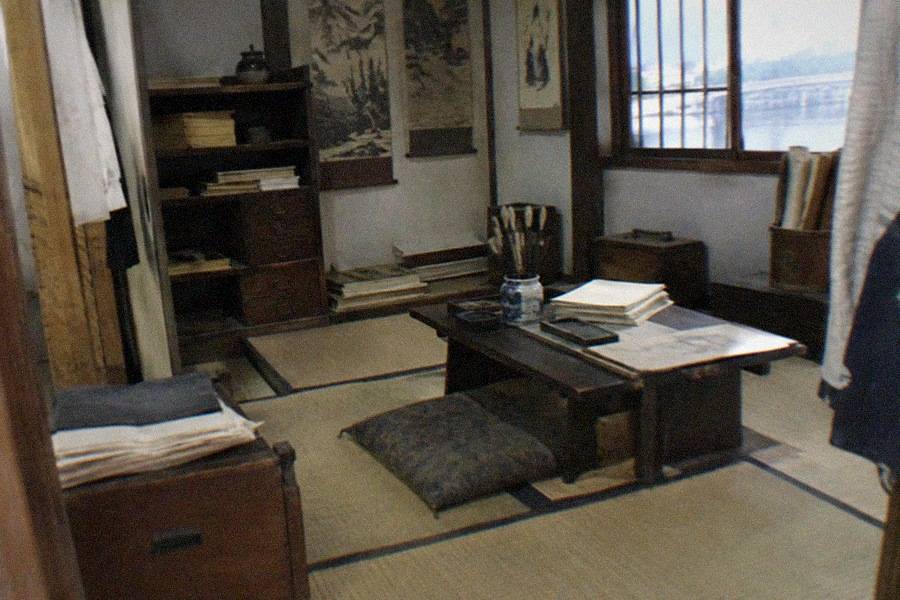
What a sold-out slot means elsewhere, and what it means here, is worth spelling out. At a timed-slot venue, sold out means you go away and pick another day, because capacity is fixed to the entry time. Here there is no entry time to exhaust. On an unusually busy day the queue moves more slowly, and an exhibition changeover or a closure day can shut the building entirely, so the two things genuinely worth checking before you set out are the Monday closure and the current special-exhibition dates on the museum's own page.
The one scenario where planning matters is a combined Ryogoku itinerary during a sumo tournament, when the neighbourhood fills up. That affects restaurants and the streets, not the museum's ticket counter, but it is a reason to arrive early in the opening hours rather than late morning.
More advice for planning this museum visit →
What Do You See Inside The Museum?
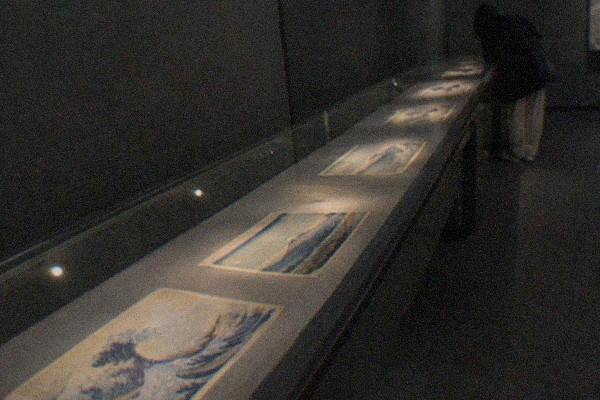
The permanent display is the AURORA collection, shown together with the Education Room, and both are covered by the standard admission ticket. Special exhibitions rotate through the same building, are ticketed separately, and generally include AURORA access, so the combined ticket buys the fuller visit.
Hokusai is the thread through everything, and the museum is built to explain him rather than merely to hang him. The Education Room is the clearest signal of that intent: a space aimed at understanding the technique and the world behind the prints, included in the basic ticket rather than sold as an extra. Visitors travelling with children or with anyone whose patience for conventional galleries runs short tend to find this the most useful room in the building.
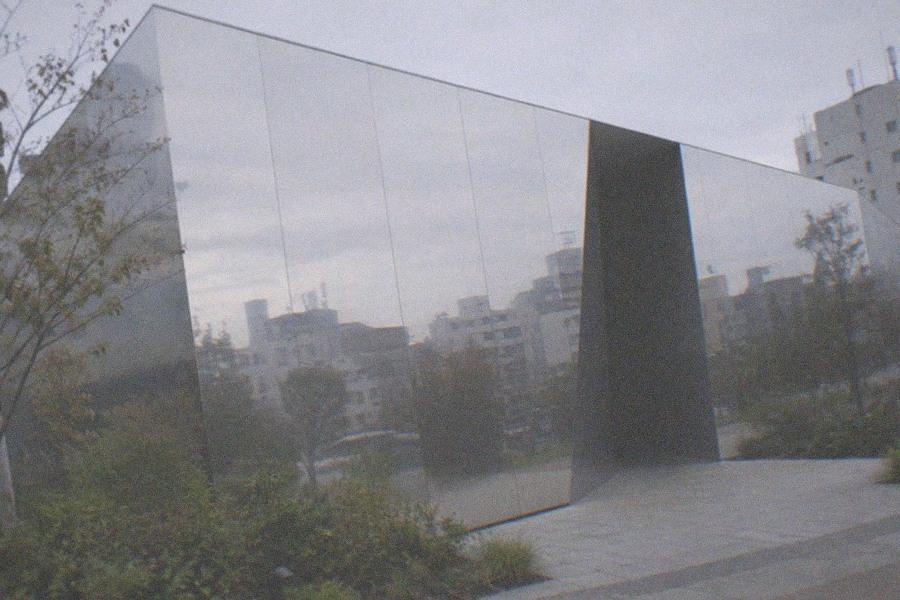
Who the museum suits is easy to state. If you want one focused, inexpensive, low-commitment art stop on an east-Tokyo day, it is close to ideal: cheap, walk-in, centrally placed in Ryogoku and over in a comfortable morning. If you want a full-day museum with a cafe culture, sprawling galleries and multiple buildings, the Tokyo National Museum in Ueno Park is the better fit, at a higher door price and a much larger time commitment. The honest comparison is not which is better but which shape of visit you actually have room for.
One habit worth avoiding: turning up with only the special exhibition in mind, finding it not to your taste, and writing off the trip. AURORA is the reason the museum exists, and it is included either way. Read the current special-exhibition description before you travel, and let it decide only the ticket you buy, not whether you go.
How Do You Get There And How Long Should You Allow?
The museum is at 2-7-2 Kamezawa, Sumida-ku, and the nearest station is Ryogoku, served by both the JR Sobu Line and the Toei Oedo Line. It keeps hours of 09:30 to 17:30 and closes on Mondays, with the standard Tokyo convention of opening when a Monday is a national holiday.
Ryogoku is the practical answer to the transport question, and the two lines make it reachable from either the JR network or the Toei subway without a transfer in most cases. From Tokyo Station the JR Sobu Line runs direct; from Shinjuku or points on the Toei network the Oedo Line does the work. Both serve the same station, so the route you pick is whichever line your starting point touches first, and there is no advantage to either beyond geography.
How long to allow inside is not a figure this museum publishes, so treat any confident number you read online with suspicion. The honest planning frame is a half-day for the district rather than the building: the museum itself in the morning, then either the reopened Edo-Tokyo Museum at the same station or a riverside walk toward Asakusa. Rushing only the museum and leaving immediately would waste the trip, because Ryogoku's whole value is the cluster.
| At A Glance | The Sumida Hokusai Museum |
|---|---|
| Hours | 09:30-17:30 |
| Closed day | Monday (opens and closes the following weekday when a Monday is a national holiday) |
| Area | Ryogoku, Sumida |
| How far ahead to book | Walk in: buy at the first-floor ticket counter on the day, no timed entry |
| How long to allow | Not published; check the museum's own site, and plan a half-day for the wider Ryogoku visit |
The Monday closure deserves respect, because it is the single most common way this visit goes wrong. The Ueno museums close the same day, so a Monday in east Tokyo is a poor museum day in general; the Monday that works is Roppongi. If your itinerary puts you in Ryogoku on a Monday, move this museum to another day or swap the whole plan.
What Does The Grutto Pass Do Here, And What Else Pairs Well In Ryogoku?
The Tokyo Museum Grutto Pass gives free entry to the permanent exhibition here and a discount on special exhibitions, one use per facility. It does not cover teamLab Borderless, teamLab Planets TOKYO, the Ghibli Museum, Warner Bros. Studio Tour Tokyo or Sanrio Puroland, and it excludes special exhibitions at most facilities.
On the pass's own terms, this museum is one of the better-value entries, because free entry applies to the permanent exhibition rather than a discount. Against a 400 JPY door price the saving is small in absolute terms, so the pass only earns its cost here as part of a wider run through the pass's covered facilities, of which the reopened Edo-Tokyo Museum, also free entry on its permanent exhibition and at the same station, is the obvious companion. The pass, its 107 facilities and its per-facility split between free entry and discount are set out by the official Grutto Pass site, and that split is the thing to check before buying, because most guides get it wrong. No other multi-museum pass for Tokyo is on sale, and neither teamLab, nor the Ghibli Museum, nor the Warner Bros. studio tour is on any pass of any kind.
Ryogoku itself supplies the rest of the day. The Edo-Tokyo Museum reopened on 31 March 2026 after roughly four years shut, and it stands at the same Ryogoku Station, so the pairing is genuinely walkable and most published guides still wrongly list it as closed. The Sumo Museum inside the Kokugikan is genuinely free, with two catches: it shuts on Saturdays, Sundays and national holidays, exactly when most visitors are in the neighbourhood, and during a Tokyo tournament you need a Grand Sumo viewing ticket to get in at all.
Put together, the strong east-side sequence is this museum in the morning, the Edo-Tokyo Museum after it, lunch in the neighbourhood, and the riverside walk toward Asakusa to finish. All of it is walk-in ticketing except a tournament day at the Kokugikan, which makes Ryogoku one of the few Tokyo museum districts where you can genuinely decide the whole plan on the morning itself.
Questions People Ask
How much does The Sumida Hokusai Museum cost?
The permanent AURORA collection and the Education Room cost 400 JPY, bought at the first-floor ticket counter on the day. Special exhibitions are priced per exhibition, generally include AURORA, and cost more as a combined ticket. The Grutto Pass gives free entry on the permanent exhibition and a discount on special exhibitions.
Do you need to book tickets in advance?
No. This is a walk-in museum with no timed entry. Tickets are sold at the first-floor ticket counter on the day of your visit, there is no advance release calendar, and there is no slot that can sell out in normal weeks. This is the opposite of timed-slot venues such as teamLab Planets TOKYO, which sells no door tickets at all.
What days is The Sumida Hokusai Museum closed?
It closes on Mondays, following the standard Tokyo convention: when a Monday is a national holiday it opens instead and closes the following weekday. Hours are 09:30 to 17:30. Check the museum's own site for any exhibition changeover dates before you travel.
What does the Grutto Pass cover here?
Free entry on the permanent exhibition, and a discount on special exhibitions, one use per facility. The pass excludes both teamLabs, the Ghibli Museum, Warner Bros. Studio Tour Tokyo and Sanrio Puroland, and it excludes special exhibitions at most facilities. No other Tokyo multi-museum pass exists.
What do you see inside the museum?
The permanent display is the AURORA collection, together with the Education Room, and both are covered by the standard admission ticket. Special exhibitions rotate through the same building on separate tickets and generally include AURORA access, so the combined ticket buys the fuller visit.
How do you get to the museum?
The address is 2-7-2 Kamezawa, Sumida-ku, and the nearest station is Ryogoku, served by both the JR Sobu Line and the Toei Oedo Line. Pick whichever line your starting point reaches directly; there is no advantage to either beyond geography.
What else is worth pairing with it in Ryogoku?
The Edo-Tokyo Museum, at the same Ryogoku Station, reopened on 31 March 2026 after roughly four years shut and offers walk-in ticketing. The Sumo Museum in the Kokugikan is genuinely free but closed Saturdays, Sundays and national holidays, and during a Tokyo tournament you need a Grand Sumo ticket to enter.
How long should you allow for a visit?
The museum does not publish a figure. A practical frame is a half-day for the whole Ryogoku visit: the museum in the morning, then the Edo-Tokyo Museum or the riverside walk toward Asakusa. Check the museum's own site for current exhibition details before setting out.
Other Art Museums Worth A Look