Where Can You See The Great Wave Off Kanagawa In Tokyo?
The Tokyo collections connected to Hokusai, what is actually on the wall rather than in storage, and the Ryogoku museum built around him, with ticket prices and opening days.
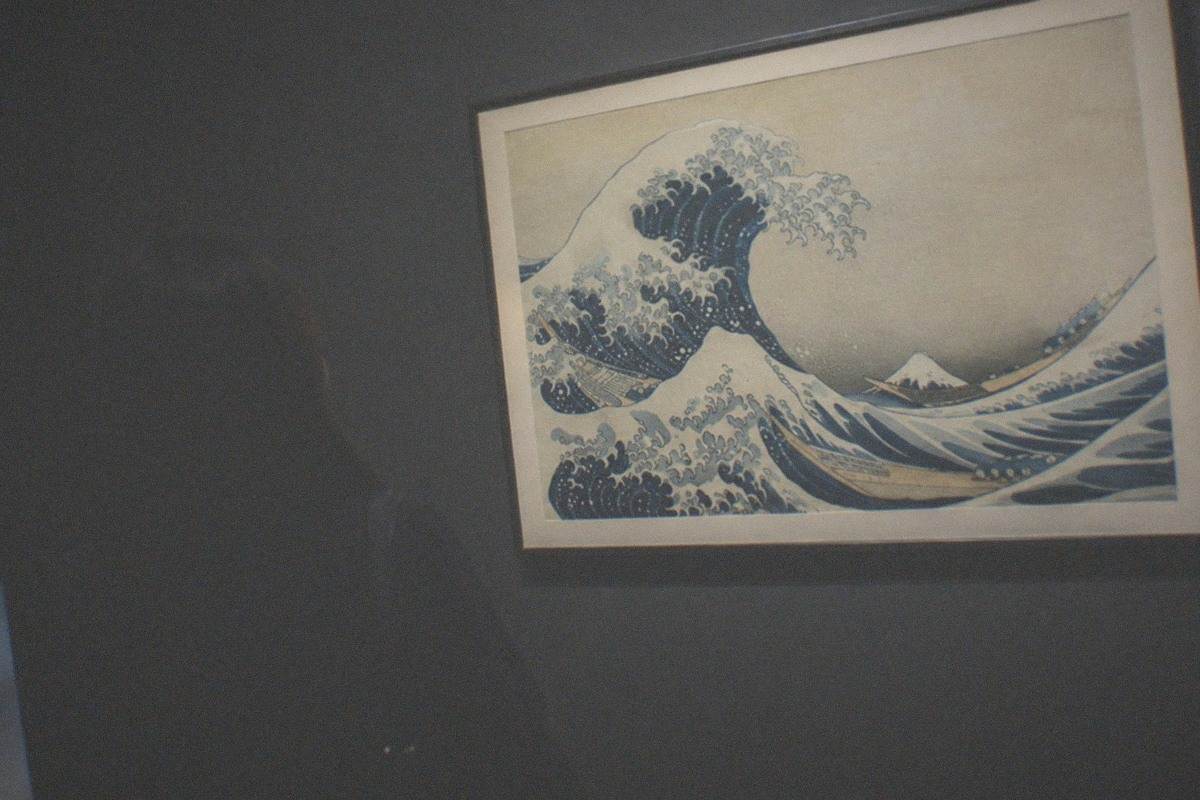
The Great Wave off Kanagawa is the most reproduced image in Japanese art. It appears on tote bags, phone cases and museum shop mugs from Boston to Berlin, which is exactly why so many visitors arrive in Tokyo expecting to walk up to a wall and find the original. The reality is more interesting. Hokusai was a Tokyo artist, the city holds a museum dedicated entirely to him, and the question of where his wave actually hangs has a precise answer that most guides blur.
Tokyo museums rotate fragile ukiyo-e, so no ticket can guarantee an original Great Wave impression on a chosen day. Explore Tokyo: Know about Hokusai and Sumo culture in 2.5 hours
Where Can You See The Great Wave Off Kanagawa In Tokyo?
The short answer is the Sumida Hokusai Museum in Ryogoku, the one Tokyo museum built around Hokusai and his workshop, though the museum does not promise the Great Wave itself on permanent display. The Tokyo National Museum in Ueno Park holds the city's broadest Japanese art collection, and its exhibition programme decides what is on the wall on any given day. Neither museum hangs everything it owns, and that gap is the real story.
Start with what the wave actually is, because the physical facts change the search. The Great Wave off Kanagawa is a woodblock print, not a painting. Hokusai designed it, and skilled carvers and printers produced it in editions, so multiple impressions exist in collections around the world rather than one unique original. That means several museums can honestly say they hold a Great Wave, and it also means a print may sit in storage for months while a different impression, or none at all, is on the wall. Paper prints are fragile and light-sensitive, and institutions that own them rotate what they show.
Tokyo's connection is unusually strong anyway. Hokusai lived and worked in the shitamachi districts east of the city centre, and Ryogoku, the Sumida ward neighbourhood where the museum named after him now stands, is part of that landscape. The Sumida Hokusai Museum was built as a dedicated home for his work and the story of the neighbourhood that produced it. So the search splits into two practical questions: which Tokyo institutions hold Hokusai material, and what each one actually has on display when you visit.
For most visitors the trip is a two-stop day. Ryogoku for the Hokusai museum and the sumo culture around it, then Ueno Park for the national collections. Both are on the JR Sobu Line, and both close on Mondays, which matters more than almost anything else on this page. Plan the day around that and the rest is easy.
Which Tokyo Collections Hold Hokusai Prints?
The Sumida Hokusai Museum in Ryogoku is the dedicated Hokusai collection in Tokyo, built around the artist and his neighbourhood. The Tokyo National Museum in Ueno Park holds the city's broadest Japanese art holdings, including ukiyo-e, and mounts exhibitions that regularly draw on its print collections. Beyond those two, the wave's impressions in Tokyo are largely a matter of temporary exhibitions rather than permanent walls.
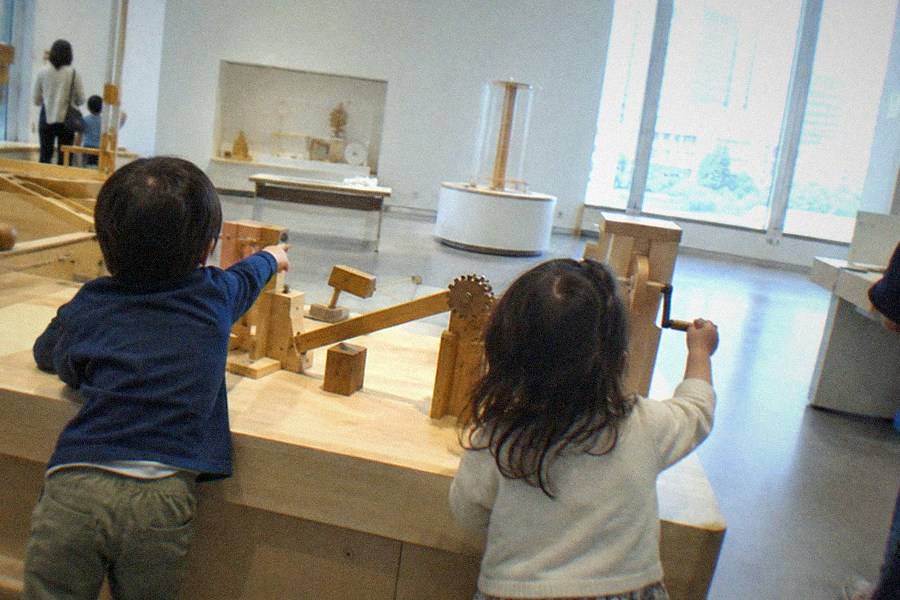
The Sumida Hokusai Museum is the obvious first stop and the only Tokyo museum whose entire purpose is Hokusai. Its permanent display, the AURORA collection, costs 400 JPY and covers the artist's life, his workshop and the print culture of his era, alongside an education room aimed at families and school groups. The building itself, a sharp angular block wrapped in angled panels, is a landmark in a quiet residential street a short walk from Ryogoku Station. Because it is a single-artist museum, what you see is drawn from the artist's own output and context rather than from a general collection with a Hokusai room attached.
The Tokyo National Museum is the second answer, and the more complicated one. Its collection exhibitions, at 1,000 JPY, span Japanese art from ancient times onward, and its special exhibition programme is where ukiyo-e blockbusters tend to land. What is on the wall on a given Tuesday depends entirely on the exhibition calendar, so check what is running before you make the trip for prints specifically. The museum's own site lists current and upcoming exhibitions, and that check is worth ten minutes of your time before any Ueno visit.
| Museum | Neighbourhood | What it holds | Adult admission | Weekly closing |
|---|---|---|---|---|
| Sumida Hokusai Museum | Ryogoku, Sumida | Dedicated Hokusai collection, permanent AURORA display | 400 JPY | Monday |
| Tokyo National Museum | Ueno Park, Taito | Broad Japanese art and archaeology, rotating exhibitions | 1,000 JPY | Monday |
| Museum of Contemporary Art Tokyo | Kiyosumi-Shirakawa, Koto | Modern and contemporary art, not a Hokusai venue | 500 JPY | Monday |
A note on the third row: the Museum of Contemporary Art Tokyo is a short walk from Ryogoku's world and appears in many "east Tokyo art day" itineraries, but it is a contemporary art museum and holds no Hokusai material that this site can point you to. It is included here because travellers pair the two neighbourhoods, and knowing it is not a wave venue saves a disappointed detour. For a fuller map of the city's art institutions, the Tokyo art museums overview covers the whole field, from Roppongi to Ueno.
Is The Sumida Hokusai Museum Worth The Trip To Ryogoku?
Yes, for most visitors the Sumida Hokusai Museum is worth the trip, because it is the only place in Tokyo where Hokusai is the whole story rather than a chapter. Admission is 400 JPY, the cheapest dedicated art museum in the city, it is a two minute walk from Ryogoku Station, and the permanent display plus the education room fill a relaxed half day when combined with the sumo district around it.
The museum's strength is focus. General museums give Hokusai a case or a wall; here the artist's entire career, his restless changes of style and even his changes of name, is the narrative. The permanent AURORA collection walks through the decades of work that produced the Thirty-six Views of Mount Fuji series, of which the Great Wave is the first and most famous plate, and it explains the printmaking process that turned one man's designs into thousands of sheets. For anyone who has only ever seen the wave on a mug, seeing the craft behind it is the payoff.
Ryogoku itself rounds out the visit. The neighbourhood is the home of sumo, with the Kokugikan arena, the Sumo Museum and chanko restaurants where wrestlers eat, all within a short walk. The Sumo Museum is free to enter but closed Saturdays, Sundays and national holidays, which is the opposite of most visitors' schedules, and during a Tokyo tournament you need a Grand Sumo viewing ticket even to reach it. The Hokusai museum and the sumo district make a natural pairing precisely because they are two halves of old east-Tokyo culture sitting five minutes apart.
One practical warning: the museum closes on Mondays, like most of Tokyo's art institutions. If your only free day is a Monday, Ryogoku's Hokusai museum, the Edo-Tokyo Museum across the street and the Ueno nationals are all shut. The planning guide to Tokyo museum tickets covers which venues stay open on a Monday and which need booking ahead, and it is worth a read before you lock a day in.
What Is On Display Rather Than In Storage?
Prints rotate. The Sumida Hokusai Museum's permanent display is drawn from its holdings but the specific sheets on the wall change, and no Tokyo museum guarantees that the Great Wave itself is hanging on the day you arrive. The honest planning move is to check the museum's own exhibition page for the current display, and to treat any single print, including the wave, as a possibility rather than a promise.
This is the part of the question most guides skip. A woodblock print is printed paper. Light fades the pigments, so institutions limit exposure time, and a museum that owns several thousand sheets shows a small rotating fraction while the rest rests in dark storage. The Great Wave is famous enough that its impressions appear in special exhibitions worldwide, which means an impression can be on loan, in conservation, or simply not in the current rotation. None of that is a trick or a disappointment of the museum's making, it is how works on paper survive. The wider set of guides lives on Tokyo Museums.
What you can rely on is context. The AURORA display tells the story of the series the wave belongs to, shows the artist's development and explains the printing process, so a visitor leaves understanding the image better than a poster ever could. If seeing the wave itself is the single purpose of your trip, the practical advice is simple: check the museum's current exhibition listing before you travel, and if a Great Wave impression is the make-or-break factor, plan around whatever special exhibition has it rather than assuming the permanent display carries it.
| Question to ask before visiting | Where the answer lives | Why it matters |
|---|---|---|
| What is in the current special exhibition? | The museum's own exhibition page | Special shows are where individual famous prints usually appear |
| Is the permanent AURORA display open? | The museum's visit page | The core display is the reliable part of any visit |
| Which day of the week is my visit? | Your calendar | The museum closes Mondays, like most Tokyo art venues |
| Do I need a timed slot? | The museum's ticket information | The Hokusai museum is a walk-in venue, no advance slot needed |
The same logic applies in Ueno. The Tokyo National Museum's exhibition schedule determines whether ukiyo-e is on the wall in a given month, and its special exhibitions are ticketed separately from the collection. Travellers who want the full picture of what is showing across the city can start with the Tokyo National Museum highlights guide, which walks through what the collection exhibitions cover and how to plan a visit around the schedule.
How Do You Buy Tickets For The Hokusai And Ueno Museums?
The Sumida Hokusai Museum sells tickets at its first-floor counter on the day, at 400 JPY for adults, with no advance slot required. The Tokyo National Museum sells collection tickets online and at its main-gate counters, at 1,000 JPY, with special exhibitions ticketed separately. Both are walk-in venues, so neither demands the advance booking that Tokyo's timed-entry attractions do.
Tokyo's real ticketing divide is not price, it is whether a venue can be walked into at all. The Hokusai museum and the national museum are both on the easy side of that divide. You can decide on the morning of your visit, ride the Sobu Line to Ryogoku or the Yamanote to Ueno, and buy at the counter. That is a genuine luxury in a city where the headline attractions, both teamLab museums, the Ghibli Museum and the Warner Bros. studio tour, run timed-slot or advance-only systems that punish spontaneity.
Concessions are generous at both. At the Sumida Hokusai Museum, high school and university students pay 300 JPY, anyone 65 or over pays 300 JPY, and pre-schoolers and elementary and middle school students enter free, as do disability certificate holders with one attendant. At the Tokyo National Museum, high school students and younger enter free, as does anyone under 18 and anyone 70 or over with proof of age, and university students pay 500 JPY. The national museum also opens its collection exhibitions free on 19 May, 21 September and 3 November 2026, three dates worth building a trip around if your schedule allows.
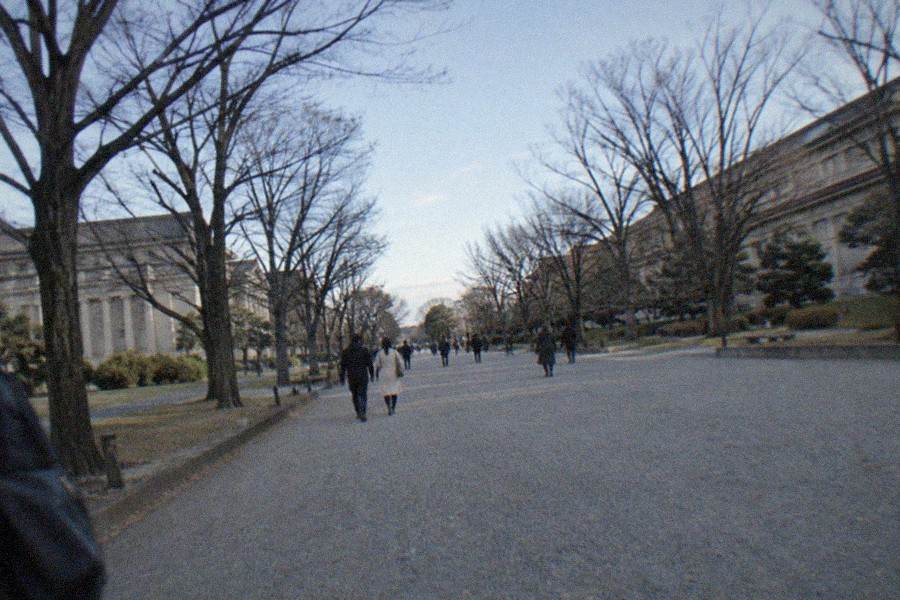
The Ueno visit pairs naturally with the rest of the park. Ueno holds the national museum, the National Museum of Nature and Science, the National Museum of Western Art and the Tokyo Metropolitan Art Museum within a few minutes' walk of each other, and the Ueno Park museums guide lays out how to combine them in one day. If Hokusai is the goal, keep the national museum as the anchor and treat the rest as weather-dependent extras.
When Is The Best Day To See Hokusai In Tokyo?
Avoid Monday, and avoid assuming any weekday is quiet. Both Hokusai-relevant museums close on Mondays, following the standard Tokyo convention: when a Monday is a national holiday they open that day and close the following weekday instead. Weekday mornings are the calmest window, and the Sumida Hokusai Museum's small galleries mean crowds build faster there than at the national museum's sprawling Ueno campus.
The Monday trap is worth repeating because it catches so many itineraries. A visitor who plans "museum Monday" around Ueno finds the national museum, the science museum and the Western art museum all shut. Ryogoku is no better: the Hokusai museum and the Edo-Tokyo Museum both close Monday too. The Monday answer in central Tokyo is Roppongi, where the National Art Center opens Monday and closes Tuesday instead, though note that the Mori Art Museum, five minutes away in the same district, is shut between exhibitions from 24 September to 30 October 2026 and rejoins the Monday circuit when its next exhibition opens on 31 October.
Season matters less than day. The Hokusai museum is compact enough that a rainy Saturday can feel full, while a Tuesday morning in the same week can feel like a private viewing. Ueno has the opposite character: the campus is large enough to absorb crowds, and the park itself, with its cherry trees and street market along the approach, makes a busy day pleasant anyway. If you have flexibility, aim for a weekday morning in Ryogoku, then Ueno in the afternoon when the morning school groups have gone.
One more calendar note for the national museum: its Honkan galleries carry a rolling programme of partial closures through the winter. Honkan Room 4 closes from 26 October 2026 to 26 April 2027, Rooms 2 and 3 close from 14 December 2026 to 26 April 2027, and Rooms 17 to 20 plus the Toyokan close across 30 November to 31 December 2026. The whole museum shuts on 15 December 2026 and again from 26 to 31 December, with only the Horyu-ji Treasures Gallery and the Kuroda Memorial Hall open from 22 to 25 December. None of this affects the Hokusai museum, but it bites anyone planning a December Ueno day.
What Else Should A Hokusai Fan See In Tokyo?
Beyond Ryogoku and Ueno, the honest additions are contextual rather than print-specific: the sumo culture of Ryogoku itself, the Edo-Tokyo Museum's reopened permanent exhibition across the street, and the city's broader ukiyo-e and Japanese art programming. There is no second Great Wave wall in Tokyo, so build the rest of the day around the neighbourhood the artist worked in rather than chasing another print.
The Edo-Tokyo Museum, directly across the street from the sumo arena and a short walk from the Hokusai museum, reopened on 31 March 2026 after a renovation of roughly four years, and most published guides still say it is closed. It is not. Its permanent exhibition, at 800 JPY, reconstructs the city Hokusai lived in, with bridges, shopfronts and interiors, which is the deepest context you can get for the world his prints depict. Closed Mondays, like its neighbour.
For the print-hungry, the city's exhibition calendar is the third venue. Tokyo's museums stage ukiyo-e exhibitions regularly, and the wave's appearances are events worth planning around when they happen. The Sumida Hokusai Museum's own special exhibitions, ticketed above the permanent admission price, are the most frequent host of focused Hokusai shows in the city. Checking the museum's exhibition page, and the national museum's, before you fly is the single highest-value ten minutes of planning this trip offers.
The Artizon Museum in Kyobashi is a worthwhile addition for a different reason: it is an art foundation museum with timed-entry tickets at 1,500 JPY on the day or 1,200 JPY booked online, students enter free with a web reservation, and it sits on the JR side of Tokyo Station, making it an easy stop between Ryogoku and anywhere else on your itinerary. It is not a Hokusai venue, but its collection exhibitions of Japanese and Western art reward the same eye that loves the wave.
Finally, if the whole family is along, the wave is a surprisingly good hook for kids. The Hokusai museum's education room is built for children, with printmaking activities aimed at young visitors, and the story of a wave about to crash on three fishing boats needs no translation. The Tokyo museums with kids guide picks up the thread for the rest of the day.
Common Questions About Seeing The Great Wave In Tokyo
Where Can You See The Great Wave Off Kanagawa In Tokyo?
The Sumida Hokusai Museum in Ryogoku is the museum dedicated to Hokusai and the first stop for anyone chasing the wave. The Tokyo National Museum in Ueno holds the city's broadest Japanese art collection and mounts the exhibition programme where famous prints most often appear. Neither guarantees the wave itself on the wall, because prints rotate through storage.
Does the Sumida Hokusai Museum have the Great Wave on permanent display?
The museum's permanent AURORA display covers Hokusai's career and the print series the wave belongs to, but works on paper rotate and no single sheet is promised on any given day. Check the museum's current exhibition page before travelling if the wave itself is your make-or-break.
How much does the Sumida Hokusai Museum cost?
Admission is 400 JPY for adults. High school and university students and anyone 65 or over pay 300 JPY, and pre-schoolers and elementary and middle school students enter free.
When is the Sumida Hokusai Museum closed?
It closes on Mondays. When a Monday is a national holiday the museum opens that day and closes the following weekday instead.
Is the Tokyo National Museum worth visiting for Hokusai?
Yes, as the city's broadest Japanese art collection and the venue whose special exhibitions most often show ukiyo-e. What is on the wall depends on the exhibition calendar, so check what is running before you go. Collection admission is 1,000 JPY.
Can you see the Great Wave in one day in Tokyo?
You can cover both Hokusai-relevant museums in one relaxed day: Ryogoku in the morning for the dedicated museum and the sumo district, then Ueno Park in the afternoon for the national museum. Both are walk-in venues and both close on Mondays.
Is the Edo-Tokyo Museum open?
Yes. It reopened on 31 March 2026 after a renovation of roughly four years, and many guides still wrongly report it closed. It is across the street from Ryogoku's sumo arena, a short walk from the Hokusai museum, and closed on Mondays.
Choose Your Museum Experience
Start With This Option
Have a date in mind? Plan Tokyo: Know about Hokusai and Sumo culture in 2.5 hours before arranging the rest of your day.
English-guided Hokusai and sumo walk in Ryogoku, about 2.5 hours. Sumida Hokusai Museum admission is included; a particular original print is not guaranteed.
Tailor Your Choice And Compare Alternatives
Tokyo: Know about Hokusai and Sumo culture in 2.5 hours: English-guided Hokusai and sumo walk in Ryogoku, about 2.5 hours. Sumida Hokusai Museum admission is included; a particular original print is not guaranteed.
Tokyo National Museum: Tokyo National Museum admission in Ueno for the selected ticket type. A special exhibition is a separate purchase unless your option explicitly includes it.
Artizon Museum: Artizon Museum exhibition admission in Kyobashi. Check the exhibition and timed-entry date covered by your selected ticket.
Select a date to see scheduled departures. Your date and the final price are confirmed on the booking page.
Set your Tokyo: Know about Hokusai and Sumo culture in 2.5 hours date before arranging the rest of your day.
Choose Your Tokyo: Know about Hokusai and Sumo culture in 2.5 hours Date