The Railway Museum Tickets
from $9.79 per person
Check Price & Availability →Opens the official listing with live dates and prices. Book there; nothing is charged on this site.
- Area
- Omiya, Saitama
- Theme
- Science & nature
The last leg of the journey sets the tone. From JR Omiya you ride the New Shuttle, a rubber-tyred automated train on an elevated guideway, one stop to a station named after the museum itself: Tetsudo-Hakubutsukan, a one-minute walk from the entrance. The Railway Museum sits in Omiya, Saitama, a science museum dedicated to Japanese railways, and it carries a 4.8 rating across 658 reviews, one of the highest scores of any museum in the wider Tokyo lineup. It is a walk-in museum with two different prices, a Tuesday closing day most visitors never check, and a half-day footprint that rewards planning. This page covers the ticket routes, the prices, the transport, and how it fits a Tokyo itinerary.
What Are The Railway Museum's Prices And Opening Hours?
The Railway Museum charges 1,600 JPY for an adult ticket bought at the door and 1,500 JPY when you buy in advance, a difference most guides miss. It opens 10:00-17:00 and closes on Tuesdays, staying open on Mondays. The advance ticket sells through the museum's own site or convenience-store terminals.
That 100 JPY gap between the door price and the advance price is small, but it is real, and it is the kind of detail this site exists to record. Most published guides quote a single figure for the Railway Museum and leave it at that. The two-price structure means the answer to "what does it cost" depends on where you buy, not when you visit.
The advance ticket has two routes, and foreign visitors can use either. The first is the museum's own site. The second is a convenience-store terminal at 7-Eleven, Lawson or Ministop, the machines sitting near the register in every branch. Both produce the same 1,500 JPY ticket. On the day, the museum sells at its own ticket vending machine and at the entrance counter, and that is where the 1,600 JPY price applies. The museum's own information page carries the current hours and admission detail: railway-museum.jp.
| Ticket | Price | Where to buy |
|---|---|---|
| Adult, on the day | 1,600 JPY | Museum ticket vending machine or entrance counter |
| Adult, in advance | 1,500 JPY | Museum's own site, or 7-Eleven, Lawson and Ministop terminals |
| Timed entry | No | Entry is not slotted; tickets are plain admission |
| Weekly closing | Tuesday | Open on Mondays |
Tuesday is the day to watch. The museum is open on Monday, which matters more than it sounds, because Monday is the day the big Ueno museums shut. More on that in the planning section below.
How Far Ahead Do You Have To Book?
You do not have to book at all. The Railway Museum is a walk-in museum: it sells tickets on the day at its own ticket vending machine and at the entrance counter, with no timed entry. Buying ahead only saves money, 100 JPY, and runs through convenience-store terminals or the museum's own site.
This puts the Railway Museum in the largest of Tokyo's four booking groups. It is not like the Ghibli Museum, where no door sales exist at all and every admission is a named, date- and time-specified advance ticket. It is not like teamLab Borderless or the Warner Bros. Studio Tour, which run timed slots that sell out. A sold-out day at the Railway Museum is a crowd problem, not a denial of entry: you queue at the machine, you pay the door price, you go in.
So the honest advice is that advance purchase here is a money decision, not an access decision. If you are already passing a 7-Eleven, Lawson or Ministop, the terminal takes a minute and saves you 100 JPY per adult. If you would rather not think about tickets until you arrive, nothing bad happens. The booking panel at the top of this page also sells the advance admission from $9.79, which is worth a look before you travel.
One planning note: because there is no timed entry, the museum can feel busy in the middle of the day, especially at weekends and in school holidays. Arriving near the 10:00 opening gives you the quietest galleries, and the last stretch before 17:00 clears out again.
More advice for planning this museum visit →
How Do You Get To The Railway Museum From Tokyo?
From Tokyo Station the trip takes about 45 to 60 minutes each way. Take a JR Utsunomiya, Takasaki or Shonan-Shinjuku Line train to Omiya, then the New Shuttle one stop to Tetsudo-Hakubutsukan station, which is a one-minute walk from the museum. The JR leg is covered by a JR Pass; the New Shuttle is not.
Omiya is a major junction in Saitama, north of the 23 wards, and the trains there are frequent. The New Shuttle is the final, fitting piece: a small automated guideway train that loops between Omiya and the industrial district the museum sits in, and its stop is named after the museum. One stop, one minute, and you are at the gate.
Fares are a range, not a promise. Return travel from Tokyo Station works out to roughly 1,500 to 3,500 JPY depending on the train and route you pick, and those figures come from route planners rather than a single operator tariff, so treat them as a budget band. If you hold a JR Pass, the JR leg to Omiya costs you nothing extra; the New Shuttle is a separate fare and is not covered by the pass.
This is a half-day trip, not a full one. Travel out, three or four hours inside, travel back, and you have used a comfortable day without rushing. Visitors trying to bolt the museum onto a central-Tokyo afternoon usually regret the timing, because the 17:00 closing and the return journey eat the evening.
Is The Railway Museum Worth The Trip From Central Tokyo?
The Railway Museum is a science museum with a 4.8 rating across 658 reviews, one of the strongest scores in the Tokyo lineup. It sits in Omiya, Saitama, outside central Tokyo, and works as a half-day trip. Allow at least half a day; it is not a quick stop bolted onto a city itinerary.
The rating matters here because the Railway Museum outperforms several museums that are far easier to reach. Among the science-themed venues this site covers, it scores higher than the National Museum of Nature and Science in Ueno, and it does so from a location that requires a train ride to reach. That gap is the argument for going: people who make the trip consistently rate it as one of the best museum days in the greater Tokyo area.
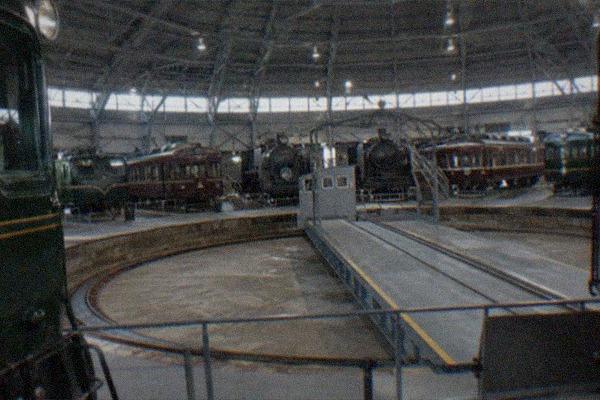
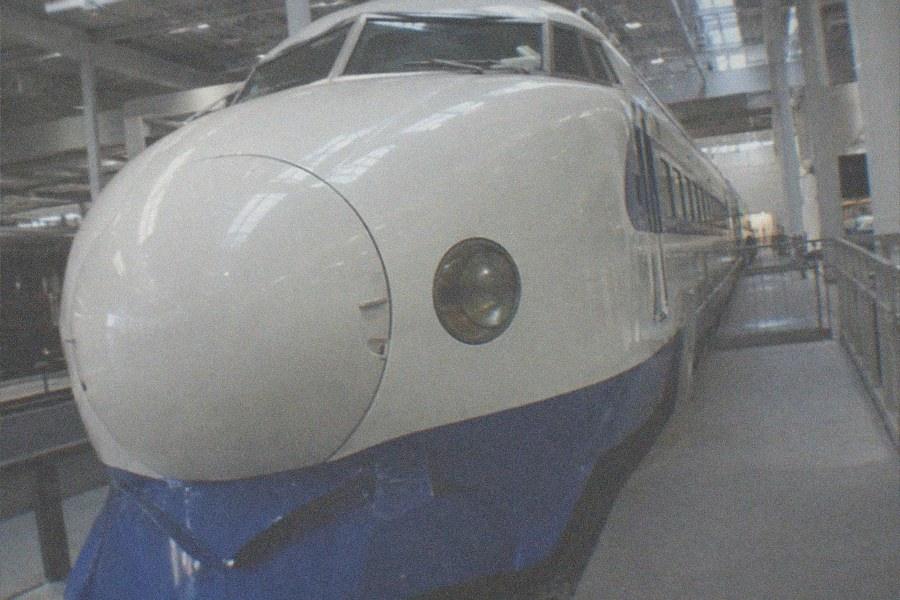
The theme is science, and the subject is the railway itself: how trains work, how the network was built, and what it took to run it. Full-size vehicles and hands-on exhibits make it a strong pick for families, and railway enthusiasts routinely rank it as the premier rail museum in Japan. No figure on this page for gallery counts or collection size is offered, because the museum's own material is the place to check what is currently on display.
If you are choosing between this and a central-Tokyo museum day, the comparison that matters is against the other science options. The National Museum of Nature and Science is the walk-in Ueno alternative, cheaper and closer, but a different subject entirely. If your interest is trains specifically, nothing in the 23 wards matches Omiya.
Does The Grutto Pass Cover The Railway Museum?
No. The Tokyo Museum Grutto Pass does not cover the Railway Museum at all, so it cannot get you in free or at a discount here. The pass also excludes both teamLab venues, the Ghibli Museum, Warner Bros. Studio Tour Tokyo, Sanrio Puroland, Hakone Open-Air, SMALL WORLDS and special exhibitions almost everywhere.
This is worth stating plainly because the Grutto Pass is widely described as a Tokyo museum pass, and buyers reasonably assume it covers the big names. It does not work that way. The pass, 2,500 JPY for the 2026 edition, splits every listed facility into free entry and discount, one use per facility, and the Railway Museum is simply not on the list. Neither are the teamLab venues, the Ghibli Museum, the Warner Bros. Studio Tour, Sanrio Puroland, the National Art Center, Nezu, Artizon, Meiji Jingu, SMALL WORLDS, the Unko Museum, Madame Tussauds, Tokyo Trick Art, Hakone Open-Air, both Yokohama museums or Edo Wonderland, and special exhibitions are excluded at most facilities that are covered. The authoritative facility list is on the pass operator's own site: rekibun.or.jp/grutto.
For the Railway Museum specifically, the pass question is easy: buy the advance ticket for 1,500 JPY or pay 1,600 JPY at the door, and put the pass budget toward a facility it actually covers, such as the Edo-Tokyo Museum or the Museum of Contemporary Art Tokyo. There is no pass shortcut to this museum.
When Is The Best Day To Visit The Railway Museum?
Go on a Monday. The Railway Museum is open on Mondays while the big Ueno museums, including the National Museum of Nature and Science, close, which makes it a strong pick for the day most Tokyo itineraries break. Avoid Tuesdays, when the Railway Museum itself is closed. Hours run 10:00 to 17:00.
Monday is the trap day of Tokyo museum planning. Tokyo National Museum, the National Museum of Western Art and the National Museum of Nature and Science all close on a Monday, and a visitor who plans a Monday around Ueno finds everything shut. The Railway Museum is one of the 21 museums in this lineup that opens on a Monday, and because it is a half-day trip with no timed entry, it slots neatly into the gap the Ueno closures leave.
Tuesday, not Monday, is the day to keep off your calendar here. The museum closes every Tuesday, and unlike the Ueno museums it is not swapping that day for a holiday rule you can work around. Check the museum's own information page before a holiday-week visit: railway-museum.jp.
| At a glance | Detail |
|---|---|
| Hours | 10:00-17:00 |
| Closed | Tuesday |
| Open on Monday | Yes |
| Area | Omiya, Saitama, outside central Tokyo |
| How far ahead to book | Walk in; no timed entry, buy on the day or save 100 JPY in advance |
| How long to allow | Half a day, plus 45 to 60 minutes of travel each way from Tokyo Station |
If Monday does not work, any non-Tuesday day does. The busiest stretches are weekend middles and school holidays; the quietest are weekday mornings right at 10:00. For a contrast day in the city itself, the timed-slot art venues like teamLab Borderless and teamLab Planets TOKYO are the opposite booking case: those need advance planning where the Railway Museum needs none.
Questions People Ask
Do I need to book The Railway Museum in advance?
No. The Railway Museum is a walk-in museum with no timed entry. It sells tickets on the day at its own ticket vending machine and entrance counter. Buying ahead only saves money, 100 JPY per adult, through the museum's own site or 7-Eleven, Lawson and Ministop terminals.
How much does The Railway Museum cost?
An adult ticket is 1,600 JPY at the door and 1,500 JPY bought in advance. The advance ticket sells through the museum's own site or convenience-store terminals at 7-Eleven, Lawson and Ministop, and foreign visitors can use either route.
What day is The Railway Museum closed?
Tuesday. The museum is open on Mondays, which makes it a useful pick on the day the big Ueno museums, including the National Museum of Nature and Science, are closed. Hours are 10:00 to 17:00.
How do I get to The Railway Museum from Tokyo?
From Tokyo Station, take a JR Utsunomiya, Takasaki or Shonan-Shinjuku Line train to Omiya, then the New Shuttle one stop to Tetsudo-Hakubutsukan station, a one-minute walk from the museum. The trip takes about 45 to 60 minutes each way. The JR leg is covered by a JR Pass; the New Shuttle is not.
Does the Grutto Pass cover The Railway Museum?
No. The Tokyo Museum Grutto Pass does not cover the Railway Museum at all. The pass also excludes both teamLab venues, the Ghibli Museum, Warner Bros. Studio Tour Tokyo, Sanrio Puroland, Hakone Open-Air, SMALL WORLDS and special exhibitions almost everywhere.
How long should I spend at The Railway Museum?
Allow half a day on site, plus about 45 to 60 minutes of travel each way from Tokyo Station. The museum sits in Omiya, Saitama, outside central Tokyo, and it is not a quick stop to bolt onto a central-Tokyo itinerary.
Is The Railway Museum good for children?
It is a science museum about railways, with full-size vehicles and hands-on exhibits, and it rates 4.8 across 658 reviews, one of the highest scores in the Tokyo lineup. No timed entry means families can arrive at the 10:00 opening without a booked slot.
Other Science Museums Worth A Look

Miraikan - National Museum of Emerging Science and Innovation
Aomi, Odaiba, Koto
from $4.15per person Check availability →