National Museum Of Nature And Science Tickets
from $4.10 per person
Check Price & Availability →Opens the official listing with live dates and prices. Book there; nothing is charged on this site.
- Area
- Ueno Park, Taito
- Theme
- Science & nature
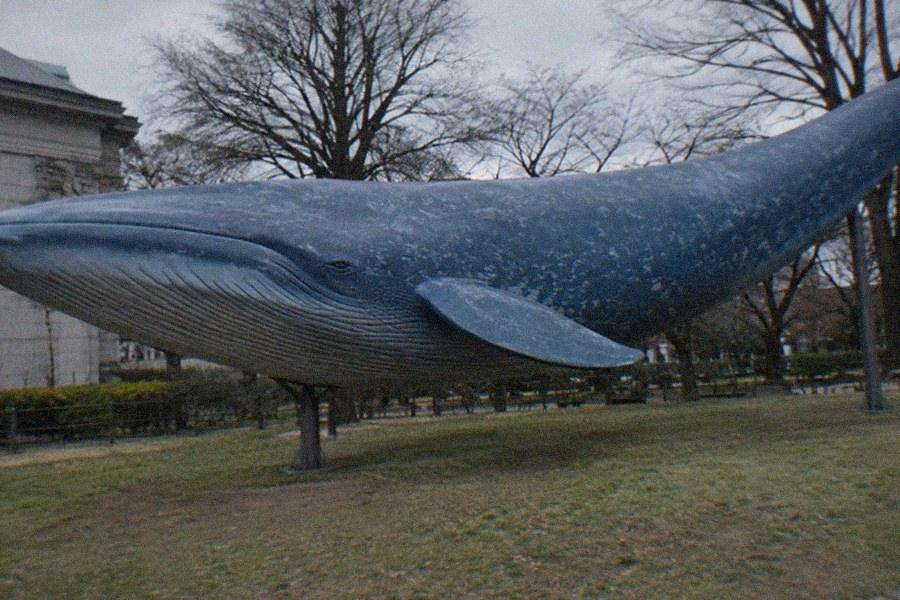
A blue whale model hangs at the entrance of the National Museum of Nature and Science, greeting visitors who step in from Ueno Park. Inside, the Japan Gallery and the Global Gallery cover everything from dinosaur skeletons to deep-sea vents, spread across a building that has stood in the park since the museum's earlier incarnations on the same ground. It is one of the three big national museums clustered around Ueno, and the only one devoted to science. Admission costs 630 JPY for the permanent exhibitions, with a long list of visitors who pay nothing at all. The museum closes on Mondays, runs free days twice a year, and takes a discount from the Tokyo Museum Grutto Pass. This page sets out the prices, the concessions, the booking situation and the closures, using figures from the museum's own admission page.
How Much Do National Museum Of Nature And Science Tickets Cost?
Permanent-exhibition admission is 630 JPY, the same price for general visitors and university students, and it is bought at the ticket counter on site. Special exhibitions are ticketed separately, priced per show. An optional 1,000 JPY admission-with-donation ticket exists, of which 370 JPY is the donation. Cards, e-money and QR payments are accepted at the counter.
That 630 JPY figure is the museum's own published rate for the permanent exhibitions, and it is one of the cheapest full-museum admissions among the major Tokyo nationals. The donation ticket is worth a sentence of explanation: it exists for visitors who want to support the museum's work, and it buys exactly the same permanent-exhibition entry as the standard ticket, with 370 JPY of the 1,000 JPY treated as a gift. Nobody needs it. The standard ticket does the same job.
Special exhibitions are the one place where costs can climb. Each is priced individually, and the price changes with every show, so the current figure is on the museum's own admission page. A special-exhibition ticket does not replace the permanent-exhibition ticket unless the museum says so for that show.
| Ticket | Price |
|---|---|
| Permanent exhibitions, general and university students | 630 JPY |
| Optional admission-with-donation ticket | 1,000 JPY (370 JPY is the donation) |
| Special exhibitions | check the museum's own site |
| High school students and younger, under 18, 65 and over | Free |
| Disability certificate, atomic-bomb survivors, war-wounded veterans, each with one carer | Free |
For comparison within the same park, Tokyo National Museum charges 1,000 JPY for its collection exhibitions, so a two-museum Ueno day is still a cheap day out. The science museum's own rating sits at 4.6 across 686 reviews on its ticket listing, which is a strong score for a venue at this price level.
Do You Need To Book Ahead For The National Museum Of Nature And Science?
No. This is a walk-in museum with no timed entry and no advance-release window for the permanent exhibitions. You turn up, buy at the permanent-exhibition ticket counter on site, and go in. There is no sold-out slot to worry about for general admission, which makes it one of the easier major Tokyo museums to plan around.
This matters more than price on a Tokyo trip, because the museums that cannot be walked into are the ones that shape an itinerary. teamLab Borderless runs timed slots that should be booked ahead, and the Ghibli Museum cannot be bought at the door at all. The National Museum of Nature and Science sits at the opposite end of that spectrum: there is nothing to time, nothing to reserve for the permanent exhibitions, and no calendar of release dates to watch.
Special exhibitions are the partial exception. A blockbuster show can draw queues and, on busy days, capacity management, so for a specific special exhibition it is worth checking the museum's own page before travelling. The permanent exhibitions, which are what most visitors come for, need no planning beyond arriving before last admission at 16:30.
Anyone who prefers to have a ticket in hand before arriving can buy one online through the booking panel above, which sells a ticket for this museum from $4.10. That is a convenience rather than a necessity here: the counter on site sells the same entry, and payment by card, e-money or QR code is accepted.
| Hours | 09:00-17:00, last admission 16:30 |
|---|---|
| Closed | Monday (see the closure section for the holiday rule) |
| Area | Ueno Park, Taito |
| How far ahead to book | Walk in, no timed entry |
| How long to allow | Half a day for the permanent exhibitions; longer with a special exhibition |
More advice for planning this museum visit →
Who Gets In Free At The National Museum Of Nature And Science?
Free entry covers high school students and younger, anyone under 18 up to the first 31 March after turning 18, and anyone 65 or over with proof of age. It also covers disability-certificate holders, atomic-bomb survivors and war-wounded veterans, each with one carer. This is a concession on the permanent exhibitions, never a free museum.
The age rules are generous and slightly unusual. The under-18 cutoff runs to the Japanese school year, so a visitor who turns 18 in, say, October stays free until the following 31 March. The 65-and-over rule needs proof of age, which for most overseas visitors means a passport. The carer rule is one carer per eligible visitor, not per group.
Two calendar dates open the permanent exhibitions to everyone. On 18 May, International Museum Day, and on 3 November, Culture Day, the permanent exhibitions are free for all visitors. These are genuinely free days, not discounted ones, and they apply to the permanent exhibitions only. Special exhibitions keep their own ticketing on those dates.
It is worth being precise about what free means here, because Tokyo museum guides blur it constantly. This museum's free entry is a concession for specific ages and circumstances on a paid permanent exhibition. It is different from the museums that are free to visit outright. Two museums are free to visit outright, the Sumo Museum and the Meguro Parasitological Museum, and two more let you into the building for nothing but charge for every exhibition, the National Art Center, Tokyo and the Tokyo Metropolitan Art Museum. The science museum belongs in neither group.
What Does The Grutto Pass Do At The National Museum Of Nature And Science?
The Tokyo Museum Grutto Pass gets you a discount on the permanent exhibition here, stated explicitly on the museum's own admission page. It is a discount, not free entry: you show the pass, pay the reduced remainder, and go in. The pass costs 2,500 JPY, is valid two months from first use, and covers 107 facilities.
The pass splits every listed facility into free entry and discount, and which one applies differs by venue. Here it is a discount on the permanent exhibition, and special exhibitions are separately priced regardless. The full rules, the facility list and the buy channels are on the official Grutto Pass site.
What the pass does not cover matters just as much for anyone weighing it against a Tokyo itinerary. It excludes both teamLabs, the Ghibli Museum, Warner Bros. Studio Tour Tokyo and Sanrio Puroland, along with the Railway Museum, Hakone Open-Air, SMALL WORLDS, the Unko Museum, Madame Tussauds, Tokyo Trick Art, both Yokohama museums, Edo Wonderland, the National Art Center, Nezu, Artizon and Meiji Jingu, and special exhibitions almost everywhere. If the plan leans on the pop-culture and art-technology venues, the pass will not touch them.
Where the pass earns its keep is a multi-museum route through the paid collections. Within Ueno Park alone it discounts this museum, Tokyo National Museum and the National Museum of Western Art, and farther out it gives free entry at several museums including the Edo-Tokyo Museum, the Museum of Contemporary Art Tokyo and the Edo-Tokyo Open Air Architectural Museum. Whether it pays back depends on the route; the arithmetic only counts the free-entry venues, and four of them do not repay the pass on their own.
When Is The National Museum Of Nature And Science Open And Closed?
The museum is open 09:00 to 17:00, with last admission at 16:30, and it is closed on Mondays. When either the Sunday or the Monday is a national holiday, the museum closes the Tuesday instead. It also closes 28 December to 1 January and for an annual fumigation period, so check the museum's own calendar before a New Year visit.
The holiday rule is the one that catches visitors out. Most Tokyo museums that close on Monday open on a holiday Monday and shut the following Tuesday. This museum words its rule more broadly: if either the Sunday or the Monday of a weekend is a national holiday, the Tuesday becomes the closed day. Anyone planning a long weekend around Ueno should read the calendar rather than assume the standard convention.
Monday itself is the standing trap of the whole park. All three big Ueno nationals, this museum, Tokyo National Museum and the National Museum of Western Art, close on a Monday, so a visitor who plans a Monday around Ueno finds all three shut. The usual Monday answer is Roppongi, where the National Art Center, Tokyo opens Monday and closes Tuesday instead, and the Mori Art Museum has no weekly closing day, though between exhibitions it shuts entirely.
One renovation is live and worth knowing before a visit. Part of the Global Gallery 2F is closed, and the third basement floor of the Global Gallery closed for renovation from 8 September 2026. The rest of the museum, including the Japan Gallery, continues to operate, but anyone heading for a specific deep-history or basement floor exhibit should check the museum's own site for what is currently viewable.
How Do You Get To The National Museum Of Nature And Science?
The museum is at Ueno Park 7-20, Taito-ku, Tokyo 110-8718. The nearest station is JR Ueno, Park Exit, a five-minute walk away; Tokyo Metro Ueno or Keisei Ueno is about ten minutes on foot. It sits inside Ueno Park among the other national museums, close to the zoo and the park's temples and shrines.
Ueno is one of the easiest museum districts in Tokyo to reach. JR Ueno sits on the Yamanote Line, so the museum is a direct ride from Tokyo Station, Akihabara, Ueno itself or the northern and eastern suburbs, and the Park Exit points you straight into the green. The Tokyo Metro Ginza and Hibiya lines and the Keisei line, useful for anyone arriving from Narita, all stop at Ueno stations within about ten minutes of the door.
The park rewards a full day. Tokyo National Museum is the closest heavyweight neighbour, the National Museum of Western Art stands a few minutes away, and the Tokyo Metropolitan Art Museum lets you into its building for nothing. A pay-what-you-want Ueno walking tour is another way to get oriented, and the park itself, its pond and its shrines, cost nothing at all.
For a second science stop on a different day, The Railway Museum in Omiya, Saitama, is a walk-in venue about an hour out of central Tokyo by rail, covering the history of Japanese railways with a large collection of rolling stock. Between the two, most science-minded visitors find the Ueno museum the easier half of a Tokyo itinerary, since it needs no advance booking and no travel beyond the Yamanote Line.
Questions People Ask
How much is entry to the National Museum of Nature and Science?
Permanent-exhibition admission is 630 JPY, the same price for general visitors and university students. Special exhibitions are ticketed separately and priced per show. An optional 1,000 JPY admission-with-donation ticket exists, of which 370 JPY is the donation, and it buys the same permanent-exhibition entry.
Do you need to book National Museum of Nature and Science tickets in advance?
No. This is a walk-in museum with no timed entry for the permanent exhibitions. You buy at the permanent-exhibition ticket counter on site, which accepts cards, e-money and QR payments. Last admission is 16:30, so arriving by mid-afternoon is the only real constraint.
Is the National Museum of Nature and Science free?
Not for general visitors. Free entry is a concession covering high school students and younger, anyone under 18 up to the first 31 March after turning 18, anyone 65 or over with proof of age, and disability-certificate holders, atomic-bomb survivors and war-wounded veterans, each with one carer.
When is the National Museum of Nature and Science free for everyone?
The permanent exhibitions are free for all visitors on 18 May, International Museum Day, and on 3 November, Culture Day. These are genuine free days for the permanent exhibitions only; special exhibitions keep their own separate ticketing on those dates.
What day is the National Museum of Nature and Science closed?
It closes on Mondays. If either the Sunday or the Monday is a national holiday, the museum closes the Tuesday instead. It also closes 28 December to 1 January and for an annual fumigation period, so check the museum's own calendar around New Year.
Does the Grutto Pass work at the National Museum of Nature and Science?
Yes, as a discount on the permanent exhibition, stated explicitly on the museum's own admission page. It is not free entry here. The pass excludes both teamLabs, the Ghibli Museum, Warner Bros. Studio Tour Tokyo and Sanrio Puroland, so it will not help with those venues.
How do I get to the National Museum of Nature and Science?
The museum is at Ueno Park 7-20, Taito-ku. JR Ueno's Park Exit is a five-minute walk, and Tokyo Metro Ueno or Keisei Ueno is about ten minutes on foot. It sits among the other national museums inside Ueno Park.
Is anything at the National Museum of Nature and Science currently closed for renovation?
Yes. Part of the Global Gallery 2F is closed, and the third basement floor of the Global Gallery closed for renovation from 8 September 2026. The rest of the museum, including the Japan Gallery, remains open, but check the museum's own site for what is viewable.
Other Science Museums Worth A Look

Miraikan - National Museum of Emerging Science and Innovation
Aomi, Odaiba, Koto
from $4.15per person Check availability →