What Is Inside teamLab Borderless At Azabudai Hills, And Is It Worth The Hype?
A room-by-room style look at teamLab Borderless at Azabudai Hills in Tokyo: what the venue actually is, how timed tickets work, what it costs, and whether it deserves its reputation.
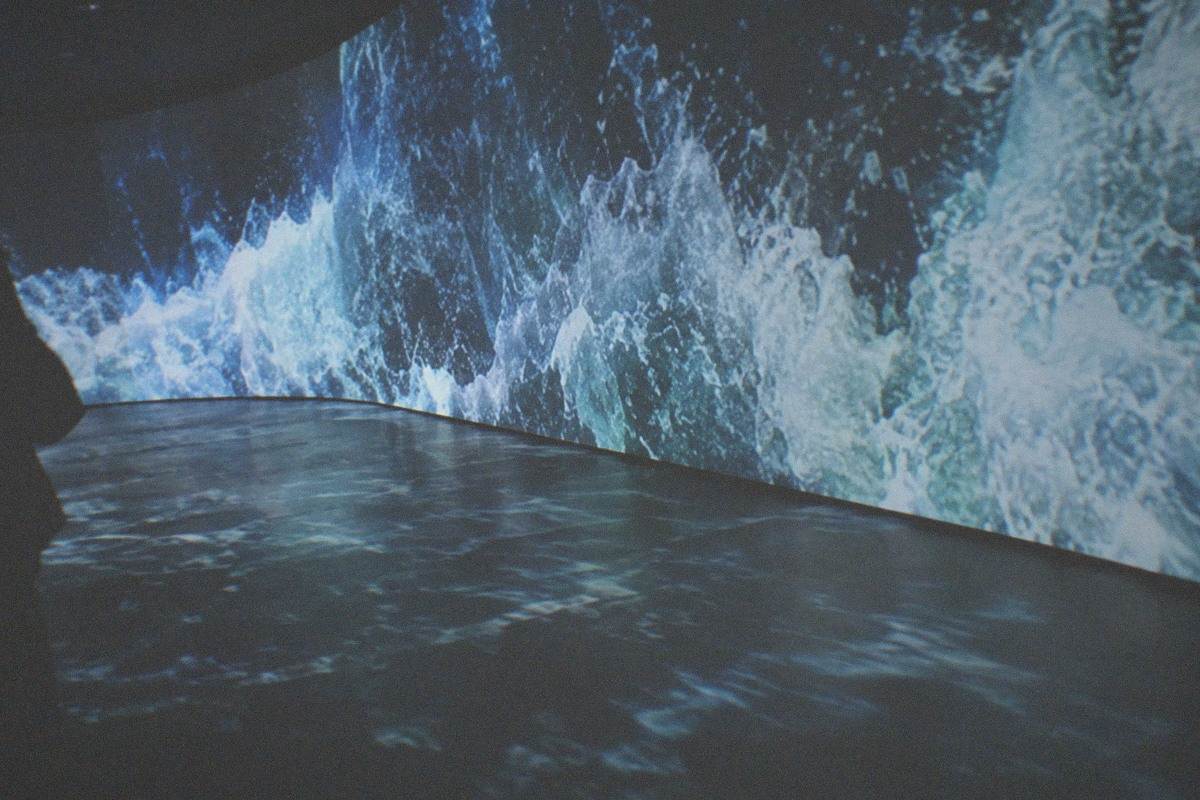
Azabudai Hills is a hillside development of towers, shops and green terraces in Minato, and buried in its Garden Plaza B block, one level below ground, sits one of the most-visited art experiences in Tokyo. teamLab Borderless is a digital art museum built on a single idea: artworks leave their rooms. A projection of flowers might spill off a wall, drift down a corridor and arrive in another space entirely, and the museum is designed so that no room, and no work, has a fixed border. The venue holds a 4.7 rating across 23,793 reviews, which is a genuinely large review base for a single Tokyo attraction, and it is the kind of place that people either describe as the best thing they did in Japan or as an expensive room of lights. This page walks through what is actually inside, how the ticketing works, and where the hype is fair.
Borderless rewards wandering through connected digital rooms; its timed entry makes the date and visitor’s sensory preference the real booking decision. Explore teamLab Borderless
What Is Inside teamLab Borderless At Azabudai Hills, And Is It Worth The Hype?
teamLab Borderless is a digital art museum where projected works move freely between rooms, so there is no fixed route and no two visits follow the same sequence. Tickets are timed-slot, bought ahead, and priced by date. It carries a 4.7 rating across 23,793 reviews, and the honest verdict is that it earns the hype for most visitors, provided you book a slot and go in with the right expectations.
The concept deserves a plain explanation, because the word museum sets most people up wrong. There are no framed paintings, no display cases and no labels to read. Every artwork is a projection, generated in real time by computers, thrown onto walls, floors and sometimes whole rooms. The works respond to you: step into a field of projected flowers and the flowers grow around your feet; stand still and the space reacts differently than when you move. The venue's own framing is that the art has no boundaries, and the design backs that up. Works physically migrate between spaces, so the room you walked through an hour ago may contain something else by the time you pass it again.
That structure is what splits opinion. Visitors who want to read about art, or who expect a conventional gallery pace, often leave underwhelmed, and a handful of the negative reviews on the live listing say exactly that. Visitors who treat it as an immersive experience, move slowly and let the rooms find them, almost universally rate it highly. The 4.7 across 23,793 reviews is the aggregate of those two groups, and the ratio is not close.
Is it worth the hype? For a first-time visitor to Tokyo with a few hours free, yes. The experience is genuinely unlike anything else in the city's museum lineup, and the review base says most people feel the same. The two honest caveats are crowds and cost. Popular slots fill with people, and in a dark room full of visitors the sense of immersion thins. Priced by date, an adult ticket runs 3,600 to 5,600 JPY, which is a real outlay for an hour or two of light. If you are on a tight budget or averse to crowds, this is a splurge, not a must. For everyone else it is one of the few Tokyo attractions that matches its reputation.
For a wider view of how it sits alongside the city's galleries, the best museums in Tokyo guide places it in context, and on Tokyo Museums you can compare it against every venue this site covers.
How Do teamLab Borderless Tickets And Timed Entry Work?
teamLab Borderless runs timed entry: you buy a ticket for a specific date and arrival window, and you enter at that slot. There are no door sales in the walk-in sense of buying whenever you arrive, and same-day availability is not guaranteed. The official ticket website is the primary channel, and teamLab itself names the live listing as the only other official one.
The mechanics matter more here than at almost any other Tokyo museum, so they are worth getting exactly right. Admission is sold by date and by time slot. When you buy, you choose the day and the entry window, and that window is when you line up. Slots on weekends, public holidays and evenings go first, and the quiet ones, weekday mornings, are the easiest to buy late. Because capacity is managed per slot, a sold-out day is a sold-out day; there is no standby queue that rescues it.
Pricing is date-based, which is the part that surprises people. An adult ticket runs 3,600 to 5,600 JPY depending on the day chosen, and buying on site instead of online adds a 200 JPY surcharge per ticket. That surcharge is the one figure that makes advance booking unambiguously better: the same date, bought online, costs less than the same date bought at the venue. The price is shown when you pick your date, so there is no guessing before you commit.
| Ticket fact | Detail |
|---|---|
| Entry system | Timed slot, booked ahead |
| Adult price | 3,600 to 5,600 JPY, set by date |
| On-site surcharge | 200 JPY per ticket if bought at the venue |
| Online from-price on this site's listing | From $20.75 |
| Official channels | teamLab's official ticket website; the live listing is the only other channel teamLab names as official |
| Rating on the live listing | 4.7 across 23,793 reviews |
One point that belongs here because it affects ticket strategy: the Tokyo Museum Grutto Pass does not cover teamLab Borderless. The pass excludes both teamLab venues, along with the Ghibli Museum, Warner Bros. Studio Tour Tokyo, Sanrio Puroland and a long list of others, so nobody should buy it expecting a teamLab discount. The official Grutto Pass site lists the covered facilities, and teamLab is not among them.
If your date is flexible, the practical advice is short. Pick a weekday morning slot, buy online rather than at the venue, and arrive a few minutes before your window. If your date is fixed, buy as early as you can, and Check availability on the live listing or head to the teamLab Borderless ticket page to see which slots remain.
Where Is teamLab Borderless And How Do You Get There?
teamLab Borderless sits at Azabudai Hills Garden Plaza B, basement level 1, at 5-9-1 Toranomon in Minato. The nearest station is Kamiyacho on the Tokyo Metro Hibiya Line, exit 5, a two-minute walk, with Roppongi-itchome on the Namboku Line six minutes away. It is central, well connected and easy to reach from most parts of the city.
Azabudai Hills itself is worth a sentence, because the venue sits inside a larger destination. The development is a dense cluster of towers, retail and elevated gardens, and the museum entrance is inside the Garden Plaza B block, one floor down. Finding it is straightforward once you are in the complex: follow the signs for the museum from the Kamiyacho side and the escalators take you to the ticketed entrance below.
The two-minute walk from Kamiyacho exit 5 makes this one of the easiest major attractions in Tokyo to reach by rail. From Roppongi-itchome on the Namboku Line it is about six minutes on foot. If you are coming from Shibuya or Shinjuku, the Hibiya Line reaches Kamiyacho directly with one change at most; from Tokyo Station the journey is a short metro hop. There is no reason to take a taxi, and no reason to build extra travel time around the trip.
| Approach | Station | Line | Walk from exit |
|---|---|---|---|
| Fastest route | Kamiyacho, exit 5 | Tokyo Metro Hibiya Line | 2 minutes |
| Alternative | Roppongi-itchome | Toei Namboku Line | 6 minutes |
| Venue address | Azabudai Hills Garden Plaza B, B1, 5-9-1 Toranomon, Minato |
A practical note on timing your arrival. Because entry is by slot, arriving early does not get you in early, but arriving late can cost you. The queue for your window forms shortly before it, so aim to be at the entrance five to ten minutes ahead. If you are combining the visit with something else in the area, Roppongi's museums and the National Art Center are both within reach, and the rainy day museums in Tokyo guide covers several indoor options nearby for a wet afternoon.
What Does A Visit Actually Feel Like?
A visit feels like walking through a sequence of dark, immersive rooms where projected light covers nearly every surface and responds to your movement. There is no set route, no wall text and no correct order, and most visitors spend their time drifting, following works that migrate between spaces and standing inside rooms that change around them. It is physical, disorienting at first, and quietly absorbing.
The first room sets the register. Projections cover the walls and often the floor, and the works are generated live, so nothing loops in the way a video installation loops. Flowers bloom and dissolve, water-like patterns flow, and shapes that begin in one space continue into another. The museum's borderless concept is not a slogan: works genuinely move, and part of the pleasure is realising that a piece you liked has drifted elsewhere and going to find it again.
Because there is no prescribed path, the experience rewards a slow, curious pace. Visitors who march through looking for highlights finish fast and see less. Visitors who linger, sit down in the larger rooms and let the projections work on them report the opposite: the visit stretches, and the rooms feel different the longer you stay. There is no time limit enforced per room, so within your visit you can return to spaces as often as you like.
The crowd factor is the honest variable. In a dark room with forty other people, the projections compete with phone screens and shuffling feet, and the quieter weekday morning slots are measurably calmer than weekend afternoons. The venue manages capacity per slot, so it never becomes a stadium, but the difference between a Tuesday at opening and a Saturday evening is real. If immersion is the point for you, buy the quietest slot you can.
When Is teamLab Borderless Closed?
teamLab Borderless closes on irregular Tuesdays, not a fixed weekly day, so the museum's own calendar is the only reliable source for your date. There is no simple rule like closed Mondays that a visitor can apply, and the closure pattern shifts from month to month, which is why checking before you book travel around the visit matters.
This trips up a lot of itineraries. Most Tokyo museums close on a predictable weekday, and people assume teamLab works the same way. It does not. The venue publishes a month-by-month calendar, Tuesdays are the days it tends to close, but only some of them, and the pattern is not regular enough to guess. A visitor who plans a Tuesday visit on the assumption that a museum is open on weekdays has a real chance of finding the doors shut.
The practical answer is to check the calendar on the official teamLab Borderless page before you fix your date, and before you buy anything non-refundable around it. The ticketing system itself will not sell you a closed day, so if you can already see slots on your chosen Tuesday, the venue is open. That makes the ticket calendar a reliable secondary check even before you commit.

It also matters for the surrounding plan. If your Tuesday hinges on teamLab and the calendar shows a closure, the same Azabudai Hills and Roppongi area still has strong options, and the art museums in Tokyo guide lists the walkable alternatives. Building one backup into the day costs nothing and saves the afternoon.
Is teamLab Borderless Worth It For Different Kinds Of Visitors?
For most first-time visitors, yes: the 4.7 rating across 23,793 reviews reflects a genuinely distinctive experience that most guests rate highly. For art traditionalists who want objects and wall text, it is a weaker fit. For photographers, families with older children and anyone who enjoys immersive design, it is close to a must-do, provided the slot is booked early and the date-based price is accepted.
The fit depends on what you want from a museum, so it is worth being blunt about the mismatches. If your idea of a museum is the Tokyo National Museum's galleries, labelled objects and a slow read, Borderless will feel like an entertainment venue wearing a museum's name, and a minority of reviews on the live listing say exactly this. If you photograph, the dark rooms and shifting light are generous subjects, and if you travel with children old enough to enjoy the interactive floors, the venue holds their attention in a way few galleries manage.
| Visitor type | Fit at teamLab Borderless | Why |
|---|---|---|
| First-time Tokyo visitor | Strong | Nothing else in the city's lineup does this at this scale |
| Photographer | Strong | Dark rooms and shifting light reward slow shooting in a quiet slot |
| Family with older children | Strong | Interactive floors and responsive works hold attention well |
| Traditional gallery-goer | Weak | No objects, no wall text, no conventional reading pace |
| Tight-budget traveller | Weak | Date-based pricing of 3,600 to 5,600 JPY is a splurge ticket |
Budget is the second filter. At 3,600 to 5,600 JPY for an adult, date-dependent, this is among the more expensive single tickets in the city's lineup, and it is priced per person with no family cap. Set against that, the experience is long, repeatable within the visit and unlike anything else on offer, which is why most visitors judge it fair value. If the budget is tight, the honest ranking puts the big nationals and the free museums first and this one in the splurge column.
For visitors who love the miniature and model-work side of immersive spaces more than pure projection, SMALL WORLDS TOKYO in Ariake is the natural alternative, a walkable miniature world rather than a digital one, and it appears in the selection band above alongside the teamLab venues. Both are covered in the anime and pop culture museums in Tokyo guide, which groups the city's immersive and pop-culture spaces in one place.
The final honest word on the hype: it is earned, with a caveat. Nothing else in Tokyo does what this venue does at this scale, and the review base is both huge and positive. The caveat is that the experience is date-priced, slot-managed and crowd-sensitive, so the version you get depends on the booking decisions you make before you arrive. Book a quiet slot, buy online, keep the afternoon free, and the hype holds. Treat it as a casual walk-up and you will meet the queue instead.
Whichever immersive space you choose, the same booking discipline applies: check the venue's own calendar for your date, buy the timed ticket online rather than on site, and pick the quietest slot your schedule allows. The three options below cover the range, from the digital rooms of Azabudai Hills to the miniature streets of Ariake.
Common Questions About teamLab Borderless At Azabudai Hills
What Is Inside teamLab Borderless At Azabudai Hills, And Is It Worth The Hype?
A digital art museum of projected works that move between rooms, with no fixed route and no conventional exhibits. It carries a 4.7 rating across 23,793 reviews, and for most visitors it is worth the price and the planning, provided you book a timed slot early and accept the date-based cost.
How Much Does teamLab Borderless Cost?
An adult ticket runs 3,600 to 5,600 JPY depending on the date, and buying on site adds a 200 JPY surcharge per ticket. The live listing sells admission from $20.75. There is no single fixed adult price because pricing moves with demand by date.
Can You Buy teamLab Borderless Tickets At The Door?
Entry is timed-slot and booked ahead, so there is no walk-up purchase in the usual sense. Same-day availability is not guaranteed, and buying at the venue costs 200 JPY more per ticket than buying online for the same date. Book your slot before you travel.
What Days Is teamLab Borderless Closed?
It closes on irregular Tuesdays, not a fixed weekly day. The museum's own month-by-month calendar is the only reliable source, so check it before fixing your date. The ticket system never sells a closed day, which makes the live slot list a second check.
How Do You Get To teamLab Borderless?
The venue is at Azabudai Hills Garden Plaza B, basement level 1, at 5-9-1 Toranomon in Minato. Kamiyacho Station on the Hibiya Line, exit 5, is a two-minute walk, and Roppongi-itchome on the Namboku Line is about six minutes away on foot.
Does The Tokyo Museum Grutto Pass Cover teamLab Borderless?
No. The Grutto Pass excludes both teamLab venues, the Ghibli Museum, Warner Bros. Studio Tour Tokyo, Sanrio Puroland and many others, and it covers only some of the facilities it does list, some as free entry and some as a discount only. Do not buy it for teamLab.
How Long Should You Spend At teamLab Borderless?
Most visitors spend between one and two hours, and there is no enforced per-room time limit inside. Because works migrate between rooms, revisiting spaces is part of the design, so a slower visit sees more. A weekday morning slot gives you the calmest rooms to do it in.
Is teamLab Borderless Good For Kids?
Yes for children old enough to enjoy interactive floors and dark immersive rooms, and the projected works respond to movement, which keeps younger visitors engaged. The space is dark and crowded at peak times, so a quiet slot suits families best, and the date-based adult price applies per person.
Choose Your Museum Experience
Start With This Option
Have a date in mind? Plan teamLab Borderless before arranging the rest of your day.
Timed admission to teamLab’s room-free digital art museum at Azabudai Hills. A different venue from Planets, without its barefoot water route.
Tailor Your Choice And Compare Alternatives
teamLab Borderless: Timed admission to teamLab’s room-free digital art museum at Azabudai Hills. A different venue from Planets, without its barefoot water route.
teamLab Planets TOKYO: Timed admission to the barefoot, water-based digital art experience in Toyosu. Wear clothes you can roll above your knees; transport is separate.
SMALL WORLDS TOKYO: Admission to the miniature worlds, model cities and moving airport displays in Ariake. Custom miniature-making and other extras are separate unless listed.
Select a date to see scheduled departures. Your date and the final price are confirmed on the booking page.
Set your teamLab Borderless date before arranging the rest of your day.
Choose Your teamLab Borderless Date