Is Sanrio Puroland Worth It, And Is It Better Than Disneyland?
An honest comparison of Sanrio Puroland and Tokyo Disneyland: ticketing, travel time, age fit and what each park actually delivers for families visiting Tokyo.
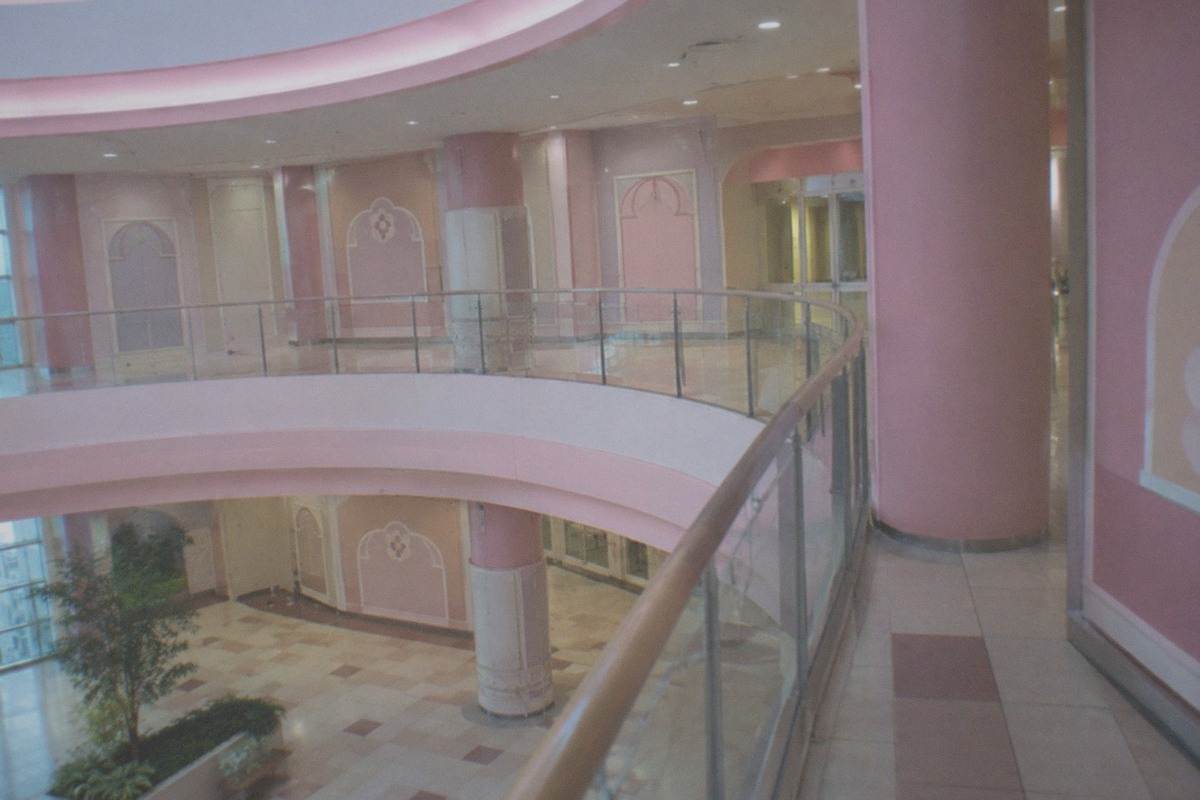
Sanrio Puroland is an indoor theme park an hour west of central Tokyo, and almost every family planning a Japan trip asks the same question: is it worth the detour, or should that day go to Disneyland instead? The honest answer is that the two parks are not really competitors. One is a weatherproof, compact, character-driven indoor world aimed squarely at young children and Hello Kitty devotees. The other is a full-scale outdoor resort with rides, queues and a price tag to match. Picking between them depends on the age of your children, the season you are travelling in, and how much of your Tokyo itinerary you are willing to spend on a single park.
Puroland makes sense for Sanrio fans and families who value an indoor, compact character park. The long trip west is a poor trade for visitors mainly seeking major rides. Explore Sanrio Puroland
This page is published by Tokyo Museums, a site that covers Tokyo's museums and the attractions that sit at their edges, and Puroland sits at that edge: it is not a museum at all, and we say so plainly. It belongs here because it is one of the strongest pop-culture experiences in the wider Tokyo area, and because its ticketing is genuinely confusing in ways that trip up a lot of visitors. The short version: you reserve an entry date, the price depends on the day you pick, and there is no single adult figure this page can honestly quote. Everything below explains what that means in practice.
Is Sanrio Puroland Worth It, And Is It Better Than Disneyland?
Sanrio Puroland is worth it for families with children roughly between 3 and 10, for Hello Kitty fans of any age, and for anyone who wants a full character experience without spending an entire day outdoors. It is not better than Disneyland in scale, ride count or spectacle, and Disneyland wins for teenagers and thrill-seekers. Puroland wins on weather immunity, compactness and intimacy: it is a two-to-four-hour experience, not a sunrise-to-fireworks one.
Start with what Puroland actually is, because the word "park" misleads people. Almost the entire venue sits indoors, inside a single large building in Tama, western Tokyo. There are character shows, a boat-style ride through Hello Kitty's world, parade performances, themed restaurants and shops, and walk-through areas built around My Melody, Cinnamoroll and the rest of the Sanrio cast. What there is not, in any serious quantity, is what most people picture when they hear "theme park": rollercoasters, large outdoor rides or a sprawling campus. If your children measure a park by its biggest drop, Puroland will feel small.
That smallness is also its strength. Disneyland in Urayasu is a full-day commitment with substantial queues even on quiet days, and much of its magic depends on weather cooperation. Puroland is climate-controlled, walkable end to end, and structured around scheduled shows rather than ride lines. A family can arrive mid-morning, catch a parade, eat a character-themed lunch, do the ride and the meet-and-greets, and be back in Shinjuku by late afternoon. For a Tokyo trip that already has museums, temples and neighbourhoods packed into it, that fraction-of-a-day shape is a real advantage.
The character question matters more than most guides admit. Disneyland's emotional register is broad: it works for a four-year-old, a fourteen-year-old and their grandparents in the same visit. Puroland's register is narrow and deep. If someone in your party loves Hello Kitty, the park delivers a density of that one universe you cannot get anywhere else, including character dining and elaborately themed interiors. If nobody in your party cares about Sanrio characters, the park has much less to hold onto, and the price of the day will feel harder to justify. Be honest about this before you book, because it is the single biggest predictor of whether the day lands.
There is also a practical middle path worth naming. If your children are past the Hello Kitty stage but still young, two other options in this site's coverage compete for the same family day: the anime and pop-culture museums guide covers character venues across the city, and KidZania Tokyo, a role-play park where children work simulated jobs in a miniature city, is a different kind of indoor day out entirely. KidZania is not a museum either, and it is not a theme park in Puroland's sense; it suits children who want to do things rather than watch things.
What Is Sanrio Puroland, Exactly?
Sanrio Puroland is an indoor, weather-independent theme park in Tama, western Tokyo, dedicated to Hello Kitty and the other Sanrio characters. It is not a museum and does not pretend to be one. Entry runs on a reserved-date system: you choose your visit day in advance, and the ticket price depends on the day you pick. The nearest station is Tama-Center, reachable from Shinjuku in roughly an hour to an hour and a half.
Say it plainly, because a surprising number of itineraries blur it: Puroland is a commercial theme park, not a museum, and it shares nothing with the Ghibli Museum in Mitaka or the Fujiko F. Fujio Museum in Kawasaki beyond the broad label of Japanese character culture. Those two are true museums, with curated galleries and no rides, and both run strict advance-only ticketing. Puroland is the opposite shape: entertainment first, exhibits barely at all, and a booking system built around crowd management rather than scarcity theatre.
The venue sits in Tama, well outside the 23 wards, which is why travel time is a real part of the worth-it calculation. From Shinjuku, the Keio Line or the Odakyu Odawara and Tama lines get you to Tama-Center with zero or one transfer, and the journey runs about an hour to an hour and a half each way, with a return fare roughly in the 1,200 to 1,700 yen range. Those are route-planner approximations, not operator figures, but they are close enough for planning: this is a half-day-plus excursion, not a quick stop between neighbourhoods.
Inside, the park is organised around a central atrium where the parades and stage shows happen, with the boat ride, character houses, restaurants and shops arranged around and above it. The shows are the real content: they run to a daily schedule, they are in Japanese, and they are staged with genuine production polish, which matters because a lot of the emotional payoff of a Puroland visit is watching a small child see a beloved character perform live. Non-Japanese speakers follow the plots easily; they are visual and simple by design.
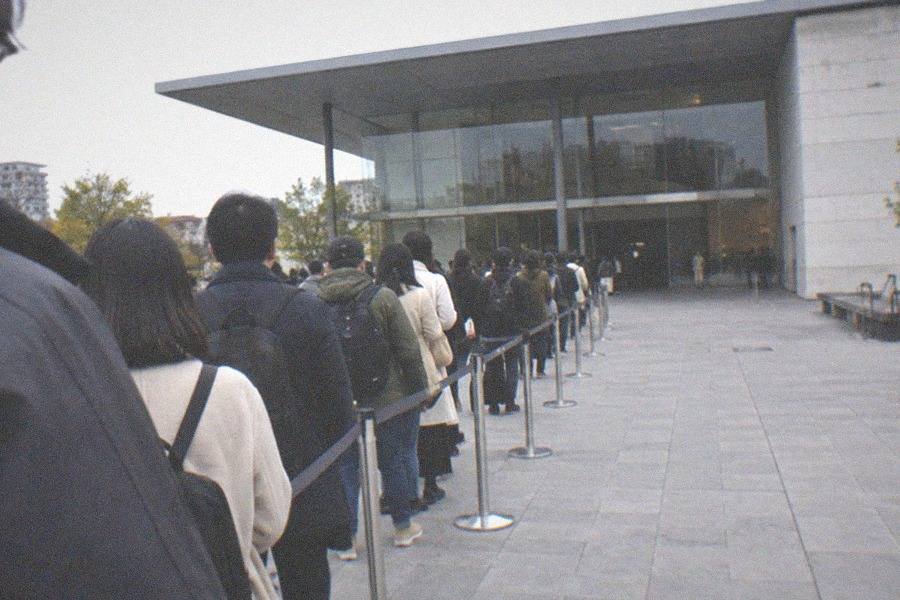
The indoor format has a second consequence worth planning around: capacity is finite and the park does fill, especially on weekends, school holidays and rainy days, when it becomes the default family destination for half of western Tokyo. The reserved-date system exists precisely to cap this. Arriving early still helps for show seating and character-meet queues, but the date reservation is the gate, and it is the thing you must sort out before you leave your hotel, not on the station platform.
How Much Do Sanrio Puroland Tickets Cost?
There is no single Sanrio Puroland admission figure this page can honestly state, because pricing is date-tiered: the cost depends on the day you choose and is shown when you pick a date. The age bands are real and stable: adult covers 18 to 64, child and senior cover 3 to 17 and 65 and over, and children under 3 enter free. You reserve an entry date in advance through the official site.
The pricing model is the part that confuses visitors used to fixed gate prices. Puroland prices its days the way airlines price seats: peak weekends and holiday periods cost more, weekdays cost less, and the figure only appears once a date is selected. The official passport page lists the current bands and what each ticket type includes, and it is the only source worth trusting on the day-to-day numbers: the official passport and ticket list. What you should take from the structure, rather than any single figure, is that a Tuesday in February and a Sunday in August are different products at different prices.
The ticket itself is called a passport, and the distinction between entry and extras matters. The base passport covers admission to the park and access to the shows and parade, while some ride and attraction experiences inside are charged separately, and character dining is priced on top of everything. Budget on the assumption that the passport is the floor of the day, not the ceiling, especially if a character lunch or a photo experience is on your child's must-do list. Families routinely spend well beyond the entry figure, and knowing that in advance changes how the day feels.
| Ticket element | What it covers | Extra cost? |
|---|---|---|
| Base passport | Park entry, shows and parade | The entry price, shown when you pick a date |
| Boat-style ride | Hello Kitty's world ride | Check the passport type on the official page |
| Character dining | Themed character meals | Yes, priced separately, reserve ahead |
| Meet-and-greets | Character photo experiences | Queued, included with entry unless stated |
| Merchandise | Shops throughout the park | Yes, always extra |
Booking is straightforward once you accept the date-first logic. The official site handles the visit reservation and issues the e-passport, and physical passports are also available at the park's ticket window, at Sanrio shops and at convenience stores, which is a useful fallback if your plans firm up late. The one genuinely bad plan is turning up at Tama-Center on a peak day with no reservation and hoping for the best: the reserved-date cap exists to keep the indoor space tolerable, and a sold-out date is a sold-out date. Reserve before you commit the travel time, not after.
How Do You Get To Sanrio Puroland?
Sanrio Puroland is in Tama, western Tokyo, and the nearest station is Tama-Center, served by the Keio Line and the Odakyu Tama Line. From Shinjuku the journey takes about an hour to an hour and a half each way, with a return fare roughly between 1,200 and 1,700 yen. The park sits within easy walking distance of the station, so the train leg is the whole journey.
Those figures are route-planner approximations rather than operator numbers, and this site keeps them as ranges deliberately, but they are accurate enough to plan around. The practical reading: Puroland is farther from most tourist accommodation than Disneyland is, which surprises people. Tokyo Disneyland sits in Urayasu, just across the city line to the east, and is reached in roughly 20 to 30 minutes from Tokyo Station. Puroland is a deeper push west, so the "is it worth it" question is partly a question about whether an hour-plus on a suburban train each way fits your itinerary.
The journey itself is painless and, in a small way, part of the experience: Tama-Center's environs are Sanrio-branded to the point of parody, so the transition from central Tokyo's grey to the park's pastel world begins before you exit the station. With young children, treat the train leg as scheduled rest: it is a seated, single-seat or one-transfer ride on most routings, and it eats a chunk of afternoon energy that you will want for the parade. Leave early, and the day works; leave after lunch, and you will arrive with two usable hours.
One comparison worth making while you are in planning mode: the character-museum alternatives inside central Tokyo cost far less travel time. SMALL WORLDS TOKYO in Ariake is a miniature-world attraction rather than a character park, and this site has a full write-up asking is SMALL WORLDS TOKYO worth it for the same family audience. If your interest in Puroland is mild rather than passionate, a closer indoor venue may serve the day better than a pilgrimage west.
Puroland Or Disneyland: Which Is Better For Your Trip?
Disneyland is better for ride-driven families, teenagers and once-in-a-lifetime trips; Puroland is better for under-10s, Hello Kitty fans, bad-weather days and itineraries that cannot spare a full day. Disneyland is a full-scale resort with outdoor rides and long queues; Puroland is a compact indoor park built around shows and characters. They are different products, and the honest comparison is by age, budget for time, and tolerance for crowds.
| Sanrio Puroland | Tokyo Disneyland | |
|---|---|---|
| Format | Indoor, single building | Outdoor resort, two parks |
| Location | Tama, western Tokyo | Urayasu, east of Tokyo |
| Travel from central Tokyo | About 1 to 1.5 hours | Roughly 20 to 30 minutes from Tokyo Station |
| Core content | Character shows, parade, one boat ride, meet-and-greets | Full ride lineup, parades, fireworks |
| Best age range | Roughly 3 to 10, plus Sanrio fans | Broad, all ages |
| Weather dependence | None, fully indoors | High, mostly outdoors |
| Time needed | Half day | Full day, often open to close |
| Ticketing | Reserved entry date, date-tiered price | Dated tickets, peak/off-peak pricing |
The table hides one asymmetry worth pulling out. Disneyland's scale is its promise and its tax: you get vastly more to do, and you pay for it in hours, in legs, and in the reality that a day there is the whole day. Families with children under six often report that Disneyland is wonderful and exhausting in equal measure, and that by mid-afternoon the parade is the only thing left in anyone. Puroland inverts the trade: less to do, but the day ends before the meltdown. If your children are in the nap-transition years, the smaller park is frequently the happier day, whatever the ride count says.
The weather question deserves its own weight, because it changes more Tokyo itineraries than visitors expect. Summer in Tokyo is brutal for outdoor queueing, and the rainy season and typhoon season can wash out a Disneyland day entirely; the park runs in rain, but the experience shrinks. Puroland is immune to all of it, which makes it the rare family attraction whose value goes up in bad weather. A rainy-day plan that would otherwise collapse into hotel-room boredom has a genuine escape valve here, and this site's rainy day museums guide covers the indoor alternatives in the same spirit.
Money is the one axis where this comparison is hard to make cleanly, and this page will not fake it. Puroland's entry price moves with the calendar and is shown when you pick a date; Disneyland's tickets are dated and peak-scaled too, and both parks charge meaningfully beyond entry once food, merchandise and extras enter the picture. What can be said honestly is structural: Puroland's total day-spend is lower in almost every configuration, because the park is smaller and the day is shorter. Whether the per-hour joy is higher depends entirely on how much your children love the characters, which is why that question, not the price, is the real decision.
What Does A Sanrio Puroland Visit Actually Look Like?
A typical visit runs two to four hours: arrive at Tama-Center, enter with your reserved e-passport, catch the parade or a stage show in the central atrium, ride the boat attraction, eat a character-themed meal, and fit in meet-and-greets between scheduled performances. The shows anchor the day, so the working plan is to check the daily schedule on arrival and build around it rather than drifting.
The parade is the centrepiece, and it is the thing reviews consistently single out: characters perform on floats through the atrium with production values that genuinely surprise first-time visitors. Show up early for a good spot, because the atrium's sightlines fill fast on busy dates. The boat-style ride through Hello Kitty's world is the other fixed highlight, and it is gentle to the point of toddler-safe. Around those two, the park is a lattice of character houses, photo spots and shops, and the pace is entirely yours to set.
Character dining deserves a specific mention because it is the most bookable thing in the park and often the memory children keep. The themed restaurants serve elaborately decorated character food, and the better-located sittings sell out on peak days, so if a character meal is the point of the trip, reserve it when you reserve your entry date rather than hoping at the door. Between meals and shows, the meet-and-greet lines are the main queue you will stand in, and they move quickly relative to anything at Disneyland.
For adults without children, the honest verdict is that Puroland is a curiosity rather than a destination. The craft is real, the theming is dense, and Sanrio's design language is a legitimate piece of Japanese pop culture, but the park's content is built for an audience that has arrived with a favourite character. An adult Hello Kitty fan will have a wonderful and slightly surreal afternoon. An adult theme-park enthusiast comparing it to Disneyland will find almost nothing to ride, and should route that day to Urayasu instead.
Language is the last practical note. Everything in the park is in Japanese, from show dialogue to signage, and it does not matter as much as you might fear. The shows are visual, the ride needs no narration, and the park's layout is a loop you cannot get lost in. Staff are accustomed to international visitors, and the booking flow on the official site, including the passport types and prices, is navigable with translation tools. Nothing about the language should deter a family that wants to go.
The Honest Verdict For Your Tokyo Itinerary
Choose Puroland if your children are roughly 3 to 10, if someone in the party loves Hello Kitty, if the weather is against you, or if your itinerary can spare a half day but not a whole one. Choose Disneyland for older children, ride-seekers and once-in-a-lifetime energy. Puroland is not a lesser Disneyland; it is a different product, and judged on its own terms, for its own audience, it delivers.
The framing that helps most is to stop asking which park is better and ask which day your family would actually enjoy more. A five-year-old who sleeps with a Cinnamoroll plush will remember Puroland's parade for years and will be overwhelmed by Disneyland's scale. A twelve-year-old counting coaster credits will be visibly underwhelmed by a boat ride and a stage show, and no amount of pastel craft will change that. The parks sort their own audiences once you know the facts, and the facts are: indoor versus outdoor, half day versus full day, one character universe versus the full Disney machine.
If Puroland is your pick, the booking discipline is simple: reserve the date through the official site before you build the rest of the day around it, check the passport options on the official passport page for what your chosen ticket includes, and reserve character dining at the same time if it matters. Then treat the train ride west as part of the plan rather than a cost, arrive for the first parade, and let the park's small footprint work in your favour. Done that way, Puroland is one of the most reliable family days in the wider Tokyo area, and it does not need to beat Disneyland to be worth it.
Common Questions About Sanrio Puroland
Is Sanrio Puroland Worth It, And Is It Better Than Disneyland?
Puroland is worth it for families with children roughly 3 to 10, for Hello Kitty fans, and for bad-weather or half-day plans. It is not better than Disneyland in scale or rides, and Disneyland suits teenagers and thrill-seekers more. The two are different products: indoor and compact versus a full outdoor resort.
Is Sanrio Puroland a museum?
No. It is an indoor theme park, and it is not a museum in any sense. It belongs on this site only as a pop-culture experience at the edge of the museum lineup.
How much are Sanrio Puroland tickets?
Pricing is date-tiered, so the cost depends on the day you choose and is shown when you pick a date. The age bands are fixed: adult 18 to 64, child and senior 3 to 17 and 65 and over, and under 3 free.
Do you need to book Sanrio Puroland in advance?
Yes, entry runs on a reserved-date system through the official site. E-passports are also sold at the park window, Sanrio shops and convenience stores, but on peak days a sold-out date is a sold-out date, so reserve before travelling.
How far is Sanrio Puroland from central Tokyo?
The park is in Tama, western Tokyo, at Tama-Center station. From Shinjuku the journey takes about an hour to an hour and a half each way, with a return fare roughly between 1,200 and 1,700 yen.
Is Sanrio Puroland good for adults?
For adult Hello Kitty fans, yes, it is a dense and enjoyable immersion in one character universe. For adult theme-park enthusiasts comparing it with Disneyland, there is very little to ride, so the day is better spent at the larger park.
Is Sanrio Puroland affected by rain or heat?
No, the park is fully indoors, which is one of its main advantages. It is a reliable option on rainy days and during Tokyo's hot summer months, when outdoor parks become uncomfortable.
Choose Your Museum Experience
Start With This Option
Have a date in mind? Plan Sanrio Puroland before arranging the rest of your day.
Sanrio Puroland admission in Tama, for character shows and indoor attractions. Check the operating calendar and the package’s included activities.
Tailor Your Choice And Compare Alternatives
Sanrio Puroland: Sanrio Puroland admission in Tama, for character shows and indoor attractions. Check the operating calendar and the package’s included activities.
KidZania Tokyo: A reserved KidZania Tokyo session for children to try role-play jobs. Check the session language and age rules; this is not a general museum ticket.
Set your Sanrio Puroland date before arranging the rest of your day.
Choose Your Sanrio Puroland Date