Is SMALL WORLDS Tokyo Worth It, And How Long Do You Need?
A straight answer on whether SMALL WORLDS Tokyo in Ariake is worth the ticket, how long the miniature city holds an adult, and how it compares with the other Odaiba indoor options.
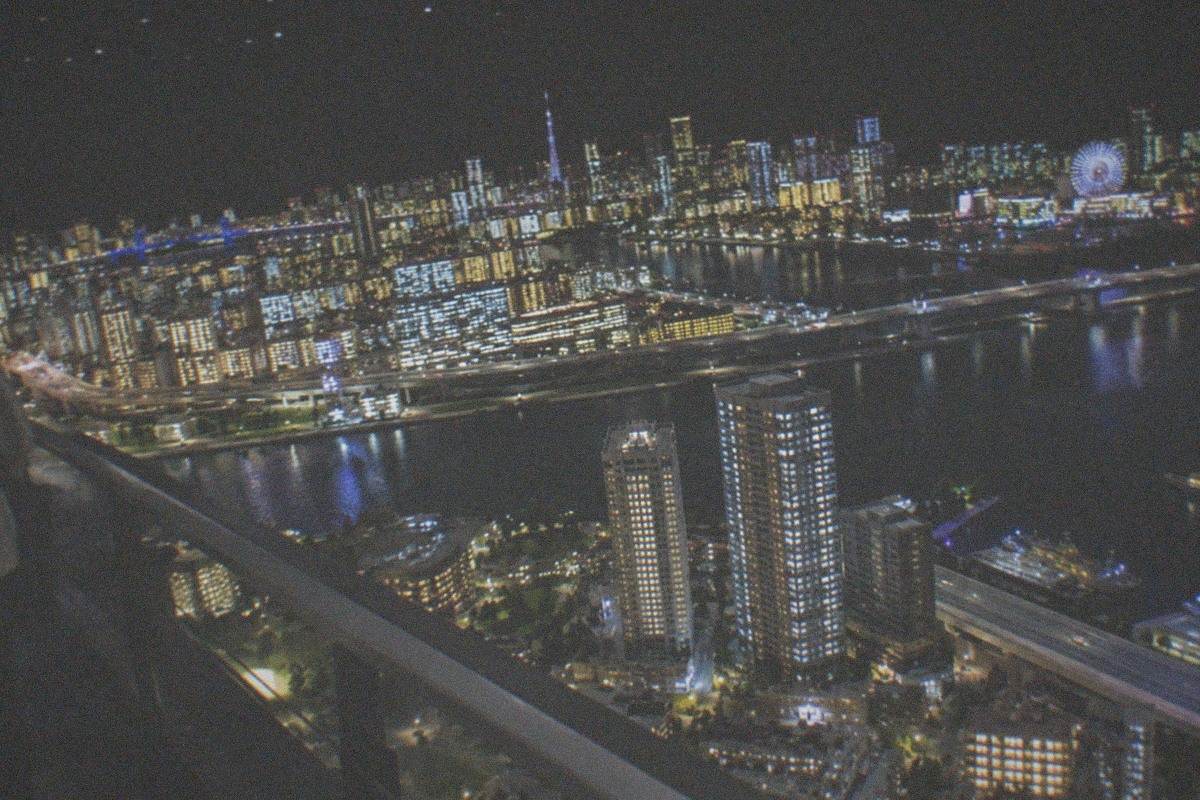
A miniature airport where model planes taxi on a runway, a Showa-era Japanese street with working traffic lights, a spaceport with a launch countdown projected on the wall: SMALL WORLDS Tokyo sells itself as the world's largest indoor miniature museum, and the scale claim is the part almost every review repeats. The harder question is the one visitors actually type before buying a ticket, which is whether roughly an hour of tiny buildings justifies the price of admission, and whether it belongs on an Odaiba day that already has teamLab Planets and a mall full of distractions in it. The venue sits in Ariake, on the Koto side of the waterfront, rated 4.6 across 1,254 reviews on its live listing, with adult admission at 3,200 JPY at the door and tickets from $19.15 online. This page works through what is genuinely inside, how long it holds an adult, and where it fits against the other indoor options in the same corner of the city.
SMALL WORLDS works best as a focused miniature stop on a waterfront day. Choose Planets for the major immersive booking or Unko for a shorter playful photo stop. Explore SMALL WORLDS TOKYO
Is SMALL WORLDS Tokyo Worth It, And How Long Do You Need?
Yes, SMALL WORLDS Tokyo is worth it if you appreciate craft and detail rather than rides or shows, and most adults should plan on about an hour and a half to two hours. It is a walk-in attraction with no timed slot, so it fits flexibly into an Odaiba afternoon, and its 4.6 rating across 1,254 reviews reflects consistently solid reception, though visitors wanting interactivity may be disappointed since the exhibits are static dioramas you observe.
The honest framing is that SMALL WORLDS is closer to an art gallery of model-making than a theme park. The dioramas are large, dense and full of small jokes planted for people who lean in: a figure climbing a ladder to nowhere, a tiny protest march, a robot repair scene tucked behind a main street. Visitors who enjoy that kind of hunting will spend far longer than the venue's own suggested route implies. Visitors who walk the aisles at museum pace, reading nothing, will be out in well under an hour and will feel shortchanged.
What tips most adults toward worth-it is the airport and the space sections. The airport diorama runs planes through taxi, takeoff and landing cycles on a loop, and the Kansai-inspired terminal has working jet bridges and ground vehicles moving on schedules. It is the single most photographed part of the venue for a reason: it moves, and the movement gives the static rooms around it a payoff. The spaceport diorama, with its countdown and launch sequence, does the same job in a science-fiction register.
Against the price, the comparison that matters is not another museum but the other Odaiba indoor tickets. A same-day adult ticket at 3,200 JPY sits between the Unko Museum's date-tiered 2,000 to 2,800 JPY and teamLab Planets, which sells only in advance and has no door sales at all. If your Odaiba day is a rainy one or a hot one, SMALL WORLDS is one of the few indoor options that never needs a booked time slot, which is rarer on this waterfront than it sounds.
What Is Actually Inside SMALL WORLDS Tokyo?
Inside are several large-scale miniature worlds, including a working airport with planes that taxi and take off, a spaceport with a projected launch sequence, a Showa-era Japanese town, an Edo-period district and licensed anime dioramas. The exhibits are static model scenes viewed from walkways, with a few animated elements, and the whole venue sits on one floor of a building in Ariake. It is a museum of model-making craft, not a ride venue.
The licensed dioramas are the part that surprises people who came for the airport. SMALL WORLDS holds Sailor Moon and Evangelion themed sections, built with the cooperation of the rights holders, and these pull a different audience than the transport scenes: anime fans who want to see Tokyo-3 rendered in miniature, or the Sailor Moon world in loving small-scale detail. These sections are permanent fixtures rather than rotating exhibitions, so a visit planned around them is not racing a calendar.
The craft level is genuinely high. Buildings are scratch-built rather than kit-bashed, the figures are painted individually, and the lighting in several rooms cycles to suggest time of day. The Showa-era street in particular rewards patience: shop signs, period vehicles and tiny scenes of daily life are layered so that a second walk down the same aisle reveals things the first pass missed. That loop-friendly layout is deliberate, and it is why the venue suggests, correctly, that most visitors circle the rooms more than once.
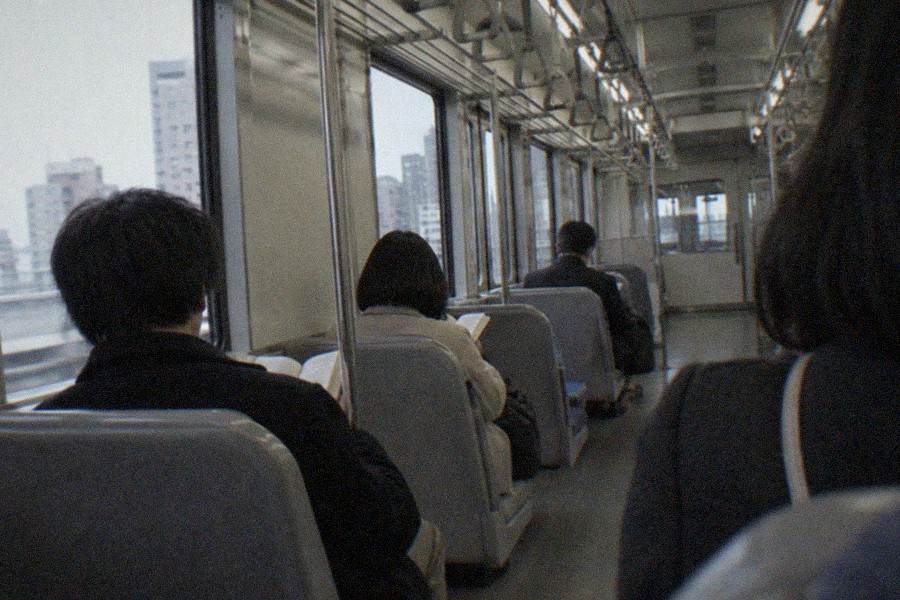
What it is not, and the reviews that mark it down say so plainly, is interactive. There are no buttons that change the scenes, no rides, no VR. A handful of exhibits respond to the room's cycle, and that is the extent of it. Families report that children under about six lose interest quickly, while children from roughly seven up, especially detail-oriented ones, stay absorbed. Adults without children are the venue's core market, and the reviews from that group are the most positive ones on the listing.
The venue's own page describes the collection and layout in more detail than any guide can compress: the official SMALL WORLDS Tokyo site. It is the right place to check current exhibition news, because the licensed anime sections occasionally close for refresh work, and a visitor who came specifically for one of them should confirm it is running before travelling out to Ariake.
The practical ticket picture is simple. Admission is 3,200 JPY for adults over 18 at the first-floor counter, and the venue also sells through its own advance page and the live listing online. There is no timed slot and no advance-only rule: this is a walk-in product, one of the few left on the Odaiba waterfront. The SMALL WORLDS Tokyo ticket page on this site lays out the from-price and the booking routes side by side, and Check availability if you would rather carry a QR code than queue at the counter.
One point worth repeating before the booking question, because it is the reason the venue earns its flexible reputation: nothing about the ticket is scarce. There is no release date to watch, no monthly on-sale window, no named-ticket rule, and no risk of arriving to find the day sold out through a timed system. The counter on the first floor is the same product as the online page, at a slightly higher price, and either route gets you through the turnstile on the same day you buy.
How Long Do You Need At SMALL WORLDS Tokyo?
Plan on about an hour and a half to two hours for an adult visit, and longer with children or with a camera. The airport and spaceport loops run on cycles of several minutes, so seeing them properly means waiting through at least one full sequence, and the static dioramas reward a second pass. A rushed visit of well under an hour is possible but is the most common source of disappointed reviews.
The cycle timing is the detail most guides omit. The airport does not run continuously in the sense of constant motion: sequences repeat, and a visitor who arrives mid-cycle and leaves before it completes sees half the show. The same applies to the spaceport launch. Budgeting ten minutes per animated room, rather than walking past, is the difference between the venue feeling alive and feeling like a model shop.
For photographers the time budget roughly doubles. The lighting is dim and cycle-driven, which suits long exposures and punishes phone snapshots, and the walkways are positioned so that compositions take patience. Reviews from photography hobbyists consistently mention visits well beyond the two-hour mark, while casual visitors who circulate once report closer to a single hour.
| Visitor type | Realistic time | What drives the difference |
|---|---|---|
| Adult, casual pace, one circuit | About an hour | Reading nothing, skimming the static rooms |
| Adult, engaged, waits for cycles | An hour and a half to two hours | Full airport and launch sequences, second pass |
| Photographer or model enthusiast | Two hours or more | Long exposures, detail hunting, repeated circuits |
| Family with children 7+ | About two hours | Children hunt for hidden figures, slower circuits |
| Family with children under 6 | Under an hour | Limited interactivity loses younger children |
The useful planning consequence: SMALL WORLDS is a half-window attraction, not a full afternoon. It pairs naturally with something else in the same district rather than anchoring a whole day. Ariake sits close to Toyosu on the same waterfront rail spine, and the pairing that works best is discussed two sections down.
How Much Does SMALL WORLDS Tokyo Cost, And Do You Need To Book Ahead?
Adult admission is 3,200 JPY at the door for visitors over 18, and tickets sell from $19.15 online through the venue's own advance page and the live listing. No booking is required: SMALL WORLDS is a walk-in venue with no timed-entry system, unlike teamLab Planets down the waterfront, which sells advance only with no door sales at all. Buying ahead is about skipping the counter queue, not about guaranteeing a slot.
That walk-in status is the venue's quiet advantage and the reason it appears on this site's planning pages as a flexible option. The two teamLabs, the Ghibli Museum and the Warner Bros. studio tour all demand planning around release dates and timed slots; SMALL WORLDS asks for nothing but a ticket. On a Tokyo trip where the booked-ahead items have already consumed your scheduling energy, an attraction you can decide on at lunchtime is worth more than its rating suggests.
The online price is slightly below the counter price, which is the pattern at several Tokyo venues: the Railway Museum, Artizon and Hakone Open-Air all price their advance tickets below the door figure. The gap at SMALL WORLDS is small, so the real argument for buying ahead is convenience rather than savings. The counter accepts walk-ups all day, and the venue does not publish a weekly closing day, so the calendar to check before travelling is the museum's own rather than a rule of thumb.
One caution on discounts: the Tokyo Museum Grutto Pass does not cover SMALL WORLDS. The pass excludes it along with both teamLabs, the Ghibli Museum, Warner Bros. Studio Tour, Sanrio Puroland, the Railway Museum, Hakone Open-Air and the other commercial attractions, covering instead the public and metropolitan museums. A visitor holding a Grutto Pass gets nothing at this counter, and no other multi-museum pass for Tokyo exists that would.

How Does SMALL WORLDS Compare With The Other Odaiba And Waterfront Indoor Options?
SMALL WORLDS is the cheapest substantial indoor option on the waterfront per hour of engagement, with its 3,200 JPY door admission beating the Unko Museum's 2,000 to 2,800 JPY date-tiered price on depth, though teamLab Planets, from $24.29 with advance-only sales, remains the stronger single experience on spectacle. They serve different moods rather than competing directly, with the Unko Museum as the better short stop for families with young children.
The three sit along the same waterfront rail corridor and get shuffled into the same itineraries, so the comparison is worth doing honestly. teamLab Planets in Toyosu is a barefoot, walk-through digital art experience with water rooms and mirrored spaces, rated 4.7 across 21,329 reviews, and it cannot be bought at the door at all: every ticket is advance, timed and dated. Planets is also scheduled to operate through the end of 2027, so it is not a closing-risk item, but it is a plan-ahead item. The rest of the planning pages sit on Tokyo Museums.
| Venue | Area | Adult price | Booking rule | Best for |
|---|---|---|---|---|
| SMALL WORLDS Tokyo | Ariake, Koto | 3,200 JPY door, from $19.15 online | Walk in, no slot | Model craft, anime fans, detail hunters |
| teamLab Planets TOKYO | Toyosu, Koto | From $24.29, date-based | Advance only, no door sales | Immersive spectacle, photos, couples |
| Unko Museum Tokyo | DiverCity, Odaiba | 2,000-2,800 JPY date-tiered door, from $13.05 | Walk in, quiet days | Young children, short silly stop |
| Tokyo Trick Art Museum | DECKS, Odaiba | 1,200 JPY door, from $7.95 | Walk in | Photo poses, families, budget stop |
The Unko Museum is the odd one out in register: a deliberately absurd, brightly coloured venue built around a poop theme, date-tiered at 2,000, 2,200, 2,400 or 2,800 JPY depending on the day, with same-day tickets limited and advance purchase recommended. It is a short visit, and the reviews reflect that, at 4.3 across 1,129 of them. Where SMALL WORLDS rewards patience, the Unko Museum rewards a low-stakes half hour with children, and the two are complements rather than substitutes. This site covers it in more depth in what the Unko Museum actually is.
For a combined waterfront day, the geography works in your favour. Ariake, Toyosu and Odaiba sit on the same Yurikamome and Tozuka-side rail network with short hops between them, so a plan of teamLab Planets in a timed morning slot, lunch at Toyosu or the DiverCity mall, and SMALL WORLDS as an unscheduled afternoon stop uses each venue's booking rule to its advantage. The one that must be locked first is Planets, and the teamLab Planets ticket page on this site covers the advance-only rules and the release pattern, because the walk-in fallback does not exist there.
The Unko Museum's own site states the date-tier logic plainly, and the tier prices move with demand: the official Unko Museum Tokyo page publishes the calendar. For Planets, the operator's own page is the authority on what the experience contains and how entry works: teamLab Planets on the teamLab site.
Is SMALL WORLDS Tokyo Worth It For Adults Without Kids?
Yes, for adults who like models, miniatures or anime, and no for adults seeking an interactive or immersive experience. The venue's core audience is adults: the licensed Sailor Moon and Evangelion dioramas, the engineering of the airport and the density of hidden jokes are all pitched at grown-up visitors, and reviews from adults visiting alone or in couples are the strongest segment of the listing's feedback.
The Evangelion section in particular is built for fans who know the source material. Tokyo-3 in miniature, with the buildings that retract into the ground rendered as working model features, is the kind of thing that a casual visitor walks past in a minute and a half and a fan studies for twenty. The same asymmetry runs through the whole venue: SMALL WORLDS pays out in proportion to how much the visitor brings to it, which is the classic profile of a craft museum and the opposite of a theme park, where the venue does all the work.
Adults who report disappointment share one profile: they expected something to happen. The venue's marketing leans on the word interactive, and the accurate expectation is observational. Nothing responds to you. The moving elements run on their own cycles whether you are there or not. Setting that expectation before buying is the single biggest lever on whether the ticket feels worth it, and it is why this page keeps returning to the distinction.
A reasonable adult benchmark: if you have ever stopped at a model railway for longer than the person you were with wanted to, the venue is a safe buy. If miniature craft leaves you cold, spend the afternoon at Planets instead, which produces its effect on visitors regardless of what they bring to it.
When Is The Best Time To Visit SMALL WORLDS Tokyo?
Weekday mornings are the quiet window, and weekday afternoons are the busiest inside the venue's walk-in model, because there is no timed slot to spread arrivals. SMALL WORLDS publishes no weekly closing day and runs a calendar instead, so check the museum's own site before travelling rather than assuming a fixed day. Weekends and school holidays fill the aisles, which matters more here than at most venues because the dioramas are viewed from shared walkways.
The walk-in model cuts both ways. It means you can arrive on impulse, and it means everyone else can too. Because the rooms are viewing corridors rather than open halls, crowding degrades the experience faster than raw visitor numbers suggest: three people at a railing are fine, eight are a queue. The venue's own reviews mention this pattern, with weekend visitors noting the crowds and weekday visitors noting the calm.
The counterintuitive scheduling trick is to pair SMALL WORLDS with a timed-slot venue deliberately. Book teamLab Planets for a morning slot, then let SMALL WORLDS absorb the unplanned afternoon: its no-booking rule makes it the ideal buffer attraction, the one item in a Tokyo itinerary that does not need to be decided in advance. Tokyo's attraction landscape is unusually heavy on advance-only tickets, and this site's guide to which Tokyo museum tickets to book ahead exists precisely because that planning burden is the real cost of a museum day here. SMALL WORLDS is the rare item that removes a decision instead of adding one.
Seasonally, the venue is fully indoor and air-conditioned, which makes it a reliable rainy-day and midsummer option. This site's rainy day museums in Tokyo guide places it alongside the other covered waterfront options for exactly that reason. The one calendar item to verify is the licensed anime sections, which occasionally close for refresh, and the museum's own site is the only authority on that.
What Do Reviews Say About SMALL WORLDS Tokyo?
The listing holds a 4.6 rating across 1,254 reviews, a strong score with a consistent pattern: praise concentrates on the airport diorama, the craft detail and the anime sections, while criticism concentrates on price relative to visit length, limited interactivity and crowding. The negative reviews are largely expectation failures rather than quality complaints, which is why setting the right expectation changes the outcome.
The positive vocabulary is unusually specific for a review base. Reviewers name individual dioramas, mention returning to walk a room a second time, and describe photographing the same corner in different light cycles. That specificity is a good sign: it indicates genuine engagement rather than box-ticking tourism, and it maps onto the visitor profile described above.
The negative reviews cluster around two honest points. First, the price-to-length ratio: a visitor who circulates once in an hour and leaves has paid 3,200 JPY for a short experience, and the reviews that do the math on that basis mark the venue down. Second, the interactivity gap: families with children under six and adults expecting a teamLab-style experience both report the same mismatch. Neither criticism disputes the craft, and both are avoidable with the planning this page has already covered.
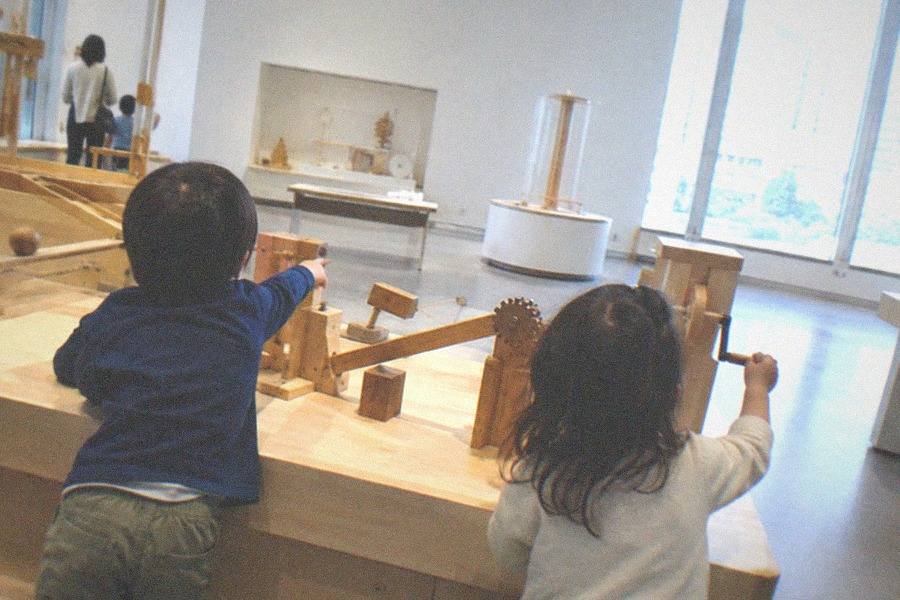
A useful synthesis of the review base: SMALL WORLDS is consistently described as a good venue that is easy to visit badly. The visitors who plan two hours, wait for the airport cycle and lean into the detail rooms rate it excellent. The visitors who treat it as a quick stop between mall shops rate it average. The venue has not changed between those two reviews, only the itinerary did.
The Verdict On SMALL WORLDS Tokyo
SMALL WORLDS Tokyo is worth the ticket for adults who enjoy miniature craft, anime dioramas or patient photography, at two hours and 3,200 JPY door admission, from $19.15 online. It is the best walk-in option on the waterfront, needing no booking at all, which makes it the ideal flexible half of an Odaiba day whose other half is a timed-slot venue. Skip it if you want interactivity, and send young children to the Unko Museum instead.
The planning summary is short. Buy ahead if you like carrying a QR code and skipping the counter; walk in if the mood strikes, because nothing forbids it. Give it two hours, not one. Check the museum's own calendar for the anime sections rather than trusting any published weekly closing day, because the venue does not publish one. Pair it with teamLab Planets across the waterfront for the strongest combined day, and hold the Unko Museum in reserve for a family with a silly half hour to fill.
Common Questions About SMALL WORLDS Tokyo
Is SMALL WORLDS Tokyo Worth It, And How Long Do You Need?
It is worth it for adults who enjoy miniature craft, anime dioramas or detail hunting, and the realistic visit is an hour and a half to two hours. It is not worth it for visitors seeking an interactive or immersive experience, because the exhibits are static dioramas viewed from walkways with a few animated cycles.
How much does SMALL WORLDS Tokyo cost?
Adult admission is 3,200 JPY at the door for visitors over 18, and tickets sell from $19.15 online through the venue's own advance page and the live listing. The online price sits slightly below the counter price.
Do you need to book SMALL WORLDS Tokyo in advance?
No. SMALL WORLDS is a walk-in venue with no timed-entry system and a first-floor ticket counter on the day. Buying ahead only saves the counter queue; it does not secure a slot, because slots do not exist.
What day is SMALL WORLDS Tokyo closed?
The venue does not publish a weekly closing day and runs a calendar instead. Check the museum's own site before travelling rather than relying on any fixed day repeated online.
Is SMALL WORLDS Tokyo good for children?
Children from around seven up, especially detail-oriented ones, stay absorbed, and the venue hides small jokes in the dioramas for exactly that kind of hunting. Children under about six tend to lose interest quickly because nothing responds to them.
Is SMALL WORLDS Tokyo covered by the Grutto Pass?
No. The Tokyo Museum Grutto Pass excludes SMALL WORLDS, along with both teamLabs, the Ghibli Museum, Warner Bros. Studio Tour, Sanrio Puroland, the Railway Museum, Hakone Open-Air and the other commercial attractions. No other multi-museum pass for Tokyo covers it.
Which is better, SMALL WORLDS or teamLab Planets?
They serve different moods. teamLab Planets, from $24.29 with advance-only sales and no door tickets, is the stronger single experience for most visitors. SMALL WORLDS is the better walk-in option and the better choice for anime fans and model enthusiasts, and the two pair well on one waterfront day.
Choose Your Museum Experience
Start With This Option
Have a date in mind? Plan SMALL WORLDS TOKYO before arranging the rest of your day.
Admission to the miniature worlds, model cities and moving airport displays in Ariake. Custom miniature-making and other extras are separate unless listed.
Tailor Your Choice And Compare Alternatives
SMALL WORLDS TOKYO: Admission to the miniature worlds, model cities and moving airport displays in Ariake. Custom miniature-making and other extras are separate unless listed.
teamLab Planets TOKYO: Timed admission to the barefoot, water-based digital art experience in Toyosu. Wear clothes you can roll above your knees; transport is separate.
Unko Museum Tokyo: Admission to the colorful, poop-themed interactive attraction at DiverCity in Odaiba. It is a playful photo stop, not a science collection.
Set your SMALL WORLDS TOKYO date before arranging the rest of your day.
Choose Your SMALL WORLDS TOKYO Date