Is The Mori Art Museum The Same As TeamLab?
No, the Mori Art Museum and teamLab are two different venues in two different Tokyo towers: a conventional contemporary art museum on the 53rd floor of Roppongi Hills, and a digital art collective with its own venues elsewhere. Here is how to tell them apart.
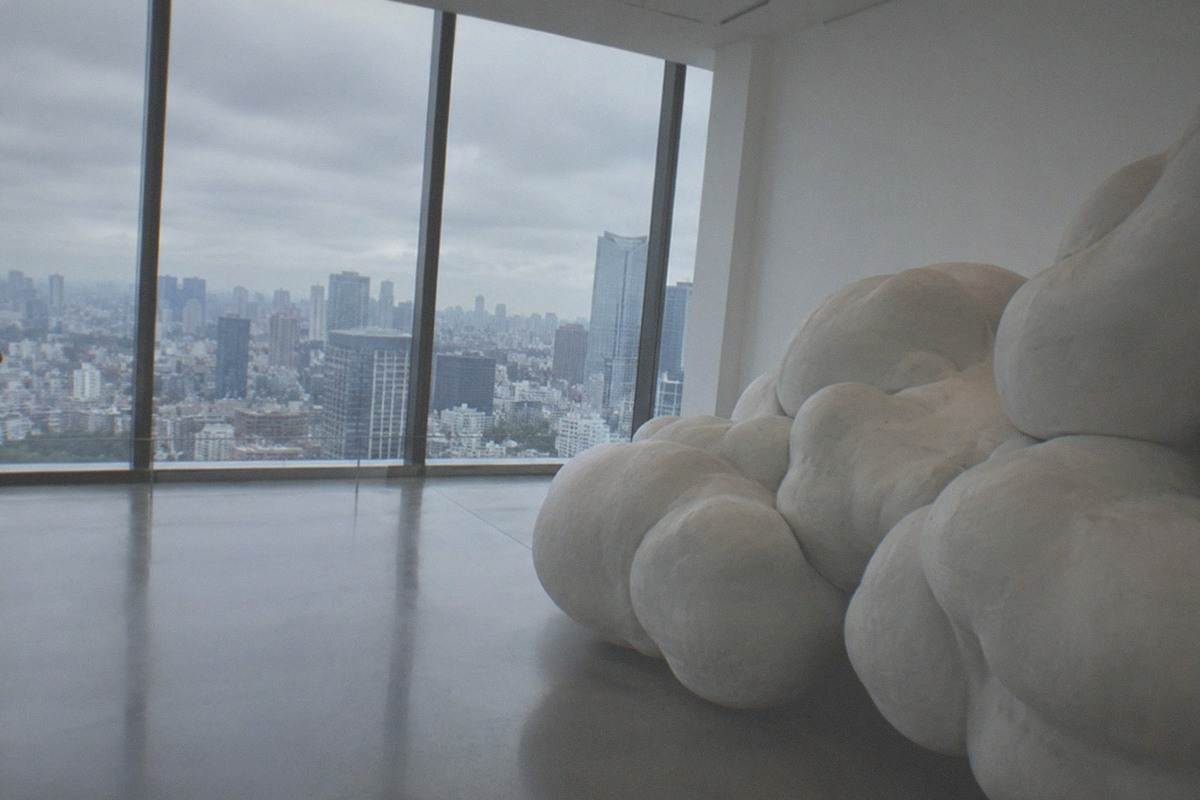
The Mori Art Museum sits on the 53rd floor of Roppongi Hills Mori Tower, at 6-10-1 Roppongi in Minato. teamLab's Tokyo flagship, teamLab Borderless, sits roughly two kilometres east in the Azabudai Hills complex at 5-9-1 Toranomon. One is a contemporary art museum with white-walled galleries, curated exhibitions and a rotating programme of named artists. The other is a digital art collective whose visitors walk through rooms of projected light, mirrored space and sound. They share a district, a target audience and a lot of search results, and nothing else. This page lays out exactly what each one is, where it is, what it costs to get in and how the booking rules differ, because the differences are where visitors actually get caught out.
Mori shows rotating contemporary exhibitions; Borderless is a permanent-format digital art experience nearby. Check the exhibition or timed-entry commitment that matches what you want to see. Explore teamLab Borderless
Is The Mori Art Museum The Same As TeamLab?
No. The Mori Art Museum is a conventional contemporary art museum on the 53rd floor of Roppongi Hills Mori Tower, run by a museum foundation and staging rotating exhibitions of individual artists. teamLab is an art collective that builds immersive digital rooms, and its Tokyo venue, teamLab Borderless, is a separate attraction in the Azabudai Hills complex. Different operators, different buildings, different ticket systems, two kilometres apart.
The confusion usually starts with the word "Mori". Roppongi Hills is a Mori Building development, and Azabudai Hills is also a Mori Building development, so both neighbourhoods carry the Mori name in their addresses and marketing. teamLab Borderless's own full title, the MORI Building DIGITAL ART MUSEUM, makes the mix-up worse: it puts the word Mori inside teamLab's branding even though the Mori Art Museum has nothing to do with it. A visitor searching "Mori art museum Tokyo" will get results for both venues, and more than a few itineraries have sent people to Roppongi holding a digital-art ticket, or the reverse.
The two organisations could hardly be more different in kind. The Mori Art Museum opened as a serious contemporary art institution and shows one or two named artists at a time in conventional gallery spaces: recent and current programming includes the Ron Mueck exhibition, which runs to 23 September 2026. teamLab is a collective of artists, programmers, engineers and architects whose work is the room itself: projections that respond to movement, flowers that bloom and die across the walls, spaces with no fixed boundary between one artwork and the next. If you want to stand in front of a sculpture and read a wall label, you want the Mori. If you want to walk barefoot through water filled with projected koi, you want teamLab.

There is also a naming trap on the teamLab side that trips people planning a second visit. teamLab runs two Tokyo venues, teamLab Borderless at Azabudai Hills and teamLab Planets in Toyosu, and they are not interchangeable either. Borderless is the walk-through, boundary-less museum; Planets is the water-and-mirror venue where you roll up your trousers and wade. The comparison between those two is a separate question with its own answer on this site, covered in full in the teamLab Planets versus Borderless guide.
If your plan is simply "see some art in Minato", the practical choice is between three neighbours, not two: the Mori Art Museum in Roppongi Hills, the National Art Center five minutes away, and teamLab Borderless over in Azabudai Hills. All three appear in the roundups of Tokyo's best museums, and all three follow different rules.
Where Is Each Venue And What Do You Actually See?
The Mori Art Museum is at Roppongi Hills Mori Tower 53F, 6-10-1 Roppongi, a short walk from Roppongi station on the Hibiya and Oedo lines. teamLab Borderless is in Azabudai Hills Garden Plaza B, basement level 1, at 5-9-1 Toranomon, two minutes from Kamiyacho station exit 5. The Mori shows curated exhibitions; Borderless shows projected digital rooms.
Getting the geography straight matters because the two addresses sit in neighbouring hills developments but require different train lines. Kamiyacho on the Hibiya Line is the closest station to teamLab Borderless, a two-minute walk from exit 5, with Roppongi-itchome on the Namboku Line six minutes away. The Mori Art Museum is best reached from Roppongi station itself, which serves both the Hibiya and Oedo lines, and the museum occupies the top of the tower, so the lift ride is part of the visit. If you are staying in Roppongi and walk to Azabudai Hills expecting the Mori, you will find a digital art museum instead, and vice versa.
What you see inside is the sharpest difference. The Mori Art Museum is a floor of conventional galleries at the top of the tower: white walls, controlled lighting, wall text, a shop, and one exhibition at a time. You buy a ticket for a named show, you spend an hour or two, and the experience changes completely with each exhibition because the museum has no permanent collection on display. teamLab Borderless is the opposite shape: the artworks are projections mapped onto walls, floors and objects, and the museum markets itself on the idea that the works have no boundaries and move between rooms. Visitors routinely spend two to three hours inside, and the content evolves rather than rotating on an exhibition calendar.
One timing trap belongs to the Mori and travels with any recommendation: the museum closes whenever no exhibition is running, and the current gap runs from 24 September to 30 October 2026, between the Ron Mueck show, which ends 23 September, and the next exhibition, which opens 31 October. Later gaps move with the programme and are not fixed dates, so check the museum's own exhibition page before you plan a visit. An extended renovation closure is separately announced for September 2027 to April 2028. So the honest sentence is: the Mori has no weekly closing day, but it is shut for the whole of October 2026, and anyone who says "Mori is always open" is wrong for that month.
| Mori Art Museum | teamLab Borderless | |
|---|---|---|
| What it is | Contemporary art museum, curated exhibitions | Digital art museum by the teamLab collective |
| Address | Roppongi Hills Mori Tower 53F, 6-10-1 Roppongi | Azabudai Hills Garden Plaza B B1, 5-9-1 Toranomon |
| Nearest station | Roppongi (Hibiya, Oedo lines) | Kamiyacho exit 5, 2 min (Hibiya Line) |
| Content | One or two named exhibitions at a time | Projected, responsive digital rooms |
| Permanent collection | None on display | The venue is the artwork |
| Booking | Walk in, buy at the museum or online | Timed slot, book ahead |
| Closed | Between exhibitions; no weekly closing day | Irregular Tuesdays |
The two experiences also suit different weather, moods and companions. Borderless is dark, crowded and physical, and it is one of the city's reliable rainy day museums precisely because the whole visit happens indoors and absorbs hours. The Mori is quieter, brighter and shorter, and it pairs naturally with the National Art Center, which is free to enter and five minutes away on foot. That pairing is the standard Roppongi art afternoon, and it needs no booking for either building.
Do You Need To Book Ahead For The Mori Art Museum Or TeamLab?
The Mori Art Museum is a walk-in venue: buy online or at the same-day window, no timed slot. teamLab Borderless runs timed slots and you should book ahead, because the slot, not the ticket, is what gets you in. teamLab Planets is stricter still: advance only, with no door sales at all. The Mori's trap is not booking, it is the between-exhibitions closure.
This is the axis that actually decides a Tokyo museum day, more than price. The Mori Art Museum sells through its own online ticket site and at a same-day window at the museum, and there is no timed-entry system, so a visitor can decide on the morning. The one thing that can wreck a Mori visit is not capacity but the calendar: arrive between exhibitions and the museum is simply shut, as it is for the whole of October 2026. The current show's dates, not a booking window, are what you check.
teamLab Borderless is the opposite. Entry runs on timed slots booked ahead, through the official ticket website, and the price is dynamic, moving with demand by date. The published adult band runs from 3,600 to 5,600 JPY, with a 200 JPY surcharge if you buy on site instead of online, which is the venue's own way of telling you to book ahead. Slots on weekends and holiday periods fill first, and the museum closes irregular Tuesdays, so a Tuesday arrival needs a calendar check rather than an assumption. The live listing is the only other channel teamLab itself names as official alongside its own ticket site.
teamLab Planets, over in Toyosu, is the strictest of the three: advance only, no door sales at all, timed entry, sold through the teamLab Planets Official Ticket Store and convenience-store systems. You cannot turn up and pay. The venue has announced it will operate through the end of 2027, so it is not closing imminently, but its weekly closing day is not published and its pricing is date-driven, shown when you pick a day. A first-time visitor who conflates the two teamLabs and turns up at Planets with a Borderless ticket, or with no ticket at all, is turned away at the door.
| Venue | Booking rule | What happens if you just turn up |
|---|---|---|
| Mori Art Museum | Walk in, same-day window or online | You get in, unless the museum is between exhibitions |
| teamLab Borderless | Timed slot, book ahead | You may wait or miss out; on-site purchase carries a 200 JPY surcharge |
| teamLab Planets | Advance only, no door sales | You are turned away; there is no ticket office |
| The National Art Center | Walk in, free building entry | You enter free; exhibitions are ticketed separately |
The National Art Center deserves its row here because it is the third Roppongi art venue and the one people confuse with the Mori on price grounds. Entering the building is free: the glass facade, the atrium, the art library, the shop and the restaurant floor all cost nothing. But the center has no permanent collection at all and every exhibition is ticketed separately, so "free" covers the architecture, not the art. It also closes on Tuesdays, not Mondays, which is the reverse of most Tokyo museums and catches weekend planners out.
What Do Tickets Cost For Each Venue?
teamLab Borderless publishes a dynamic adult band of 3,600 to 5,600 JPY, plus 200 JPY bought on site. The Mori Art Museum prices each exhibition separately, so there is no standing admission figure: the current show's price is on the museum's own site. teamLab Planets is also date-driven, with the price shown when you pick a day. None of the three has a single fixed price.
Start with what is stable. teamLab Borderless's band is official and published: adults pay between 3,600 and 5,600 JPY depending on the date, and buying at the venue instead of online adds 200 JPY. That surcharge is the whole argument for booking ahead in one sentence. The venue's affiliate product sells from $20.75, rated 4.7 across 23,793 reviews, which reflects how heavily visited it is; those numbers describe the bookable admission product, not a walk-up price. The full index of guides sits on Tokyo Museums.
The Mori Art Museum is the one venue on this page where no admission figure can honestly be printed, because the price belongs to each temporary exhibition and expires with it. What a visitor can be told is that admission is priced per exhibition and changes with each show, so the current figure is on the museum's own site. Any page quoting one standing Mori price is quoting a show that has already closed. The museum's product on affiliate channels is a different thing again: a combined Roppongi Hills observatory ticket rather than plain museum admission, currently reporting out of stock, so this site does not sell it or promise availability for it.
teamLab Planets keeps its pricing date-driven and unpublished as a single figure: the price depends on the day you choose and is shown when you pick one. Its product sells from $24.29, rated 4.7 across 21,329 reviews. Tokyo National Museum, the third venue in the trio above, is the straightforward one: 1,000 JPY at the door for the collection exhibitions, a bookable product from $6.65 rated 4.7 across 647 reviews, closed Mondays, and free on 19 May, 21 September and 3 November 2026 for the collection shows. If your budget is tight, the nationals in Ueno are where Tokyo museum-going is cheapest, and the Tokyo museum tickets guide breaks down every venue's booking route.
Which One Should You Choose For Your Tokyo Trip?
Choose the Mori Art Museum for a quiet, curated hour of contemporary art high above Roppongi, and check the exhibition calendar first. Choose teamLab Borderless for a two-to-three-hour immersive digital experience, booked as a timed slot. They are not substitutes: one rotates artists, the other is a fixed venue, and many visitors do both on different days.
The honest framing is that the two venues answer different questions. If your trip already includes conventional museums, the Mori slots in neatly: it is short, central and pairs with the National Art Center for a full Roppongi afternoon. Check that an exhibition is actually running before you commit, because the between-exhibitions closure is the museum's one hard trap, and the October 2026 gap is the current one. If your trip is short and you want the thing people photograph, teamLab Borderless is the stronger single experience, and the timed slot means you build the rest of your day around it.
Families and groups split along a predictable line. Children tend to love Borderless, which is touchable, walkable and loud with colour, and the venue's own guidance treats the space as somewhere to move through rather than stand still in, a contrast with the museums that work best with kids. The Mori is better for adults who want to read wall text, and it is a calmer hour by a wide margin. Neither venue is a good fit for a visitor with only one spare hour in Minato: Borderless needs the slot and the time, and the Mori needs the right exhibition.
There is also a case for doing both in one district on one day, in the right order. Book a morning Borderless slot at Azabudai Hills, walk or ride to Roppongi afterwards, and spend the early afternoon at the Mori or, if it is between exhibitions, at the National Art Center next door, which never has a gap because there is nothing permanent to close. Azabudai Hills itself has more detail in the teamLab Borderless Azabudai neighborhood piece, including how the venue sits inside the wider complex.
Can You See Both The Mori Art Museum And teamLab On The Same Day?
Yes, comfortably, if you book the teamLab slot first and work the day around it. Borderless sits two kilometres from Roppongi, the two venues are a short taxi or a couple of train stops apart, and the Mori needs no timed entry. The one combination that fails is a Monday-To-Tuesday plan built on assumptions: check the Mori's exhibition calendar and Borderless's Tuesday closures first.
The mechanics are simple. Morning slots at Borderless are the ones that sell out first and the ones that leave your afternoon free, so book an early timed slot, plan two to three hours inside, then head to Roppongi. The Mori Art Museum's same-day window means you can decide on the spur of the moment whether your legs are up for a second museum, which is a flexibility no teamLab venue offers. If the Mori happens to be between exhibitions, the National Art Center is the standing fallback, free to enter and open every day but Tuesday.
The day-trip arithmetic changes if teamLab Planets is on your list instead of, or as well as, Borderless. Planets is in Toyosu, east of the centre, and its advance-only rule means the ticket is bought days or weeks ahead, not on the day. Combining Planets with Roppongi in one afternoon is possible but rushed; combining it with the Toyosu market area or the Odaiba attractions makes more geographic sense, and the Tokyo museum day trips guide covers the wider logistics.
If Planets is the one you want, the same advance-only rule applies whatever the season: pick your date, buy through the official ticket store, and arrive inside your timed window. The venue has committed to running through the end of 2027, so there is no scramble about it closing, only about the popular weekend slots.
| Plan | Morning | Afternoon | What to book first |
|---|---|---|---|
| Roppongi art day | National Art Center, free entry | Mori Art Museum, same-day ticket | Nothing; check the Mori exhibition calendar |
| Immersive day | teamLab Borderless, timed slot | Mori or National Art Center in Roppongi | The Borderless slot, weeks ahead for weekends |
| teamLab double | teamLab Borderless | teamLab Planets in Toyosu | Both slots; Planets is advance only |
| Budget museum day | Tokyo National Museum, Ueno | Nature and Science next door | Nothing; both are walk-in and closed Monday |
One last distinction worth carrying: the Mori Art Museum is a museum in the plain sense, a member of the city's art establishment with a curatorial programme, while teamLab's venues are closer to destinations built around a single artist collective. That is why the Mori appears on every list of Tokyo's art museums and teamLab appears on the pop-culture and experience lists as often as the art lists. Both listings are fair. Neither venue is the other, and the visitor who arrives knowing which tower holds which experience has already solved the only real problem this pairing poses.
Common Questions About The Mori Art Museum And teamLab
Is The Mori Art Museum The Same As teamLab?
No. The Mori Art Museum is a contemporary art museum on the 53rd floor of Roppongi Hills Mori Tower, staging curated exhibitions. teamLab is a digital art collective whose Tokyo venue, teamLab Borderless, is in Azabudai Hills, two kilometres away. Different operators, different buildings, different ticket systems.
Where Is The Mori Art Museum Located?
Roppongi Hills Mori Tower 53F, 6-10-1 Roppongi, Minato. The nearest station is Roppongi, on the Tokyo Metro Hibiya and Toei Oedo lines. teamLab Borderless is a separate venue at Azabudai Hills Garden Plaza B, closest to Kamiyacho station exit 5.
Do You Need To Book teamLab Borderless In Advance?
Yes, book a timed slot ahead. Entry runs on slots, pricing is dynamic, and buying on site instead of online adds a 200 JPY surcharge. The venue also closes irregular Tuesdays, so check the calendar for your date before you commit.
How Much Does The Mori Art Museum Cost?
Admission is priced per exhibition and changes with each show, so the current figure is on the museum's own site. There is no standing admission price, and any number quoted elsewhere belongs to an exhibition that may already have closed.
When Is The Mori Art Museum Closed?
The museum has no weekly closing day, but it shuts whenever no exhibition is running. The current gap is 24 September to 30 October 2026, between Ron Mueck and the next show. A longer renovation closure is announced for September 2027 to April 2028.
Is teamLab Borderless Or teamLab Planets Better?
They are different experiences rather than rivals. Borderless is the walk-through digital museum at Azabudai Hills with a timed-slot booking. Planets, in Toyosu, is the water-and-mirror venue, sold advance only with no door sales at all. Planets has announced it will operate through the end of 2027.
Can You Visit The Mori Art Museum And teamLab On The Same Day?
Yes. Book an early timed slot at teamLab Borderless, spend two to three hours there, then head to Roppongi, a short ride away. The Mori needs no timed entry, and the National Art Center next door is a free-to-enter fallback if the Mori is between exhibitions.
Choose Your Museum Experience
Start With This Option
Have a date in mind? Plan teamLab Borderless before arranging the rest of your day.
Timed admission to teamLab’s room-free digital art museum at Azabudai Hills. A different venue from Planets, without its barefoot water route.
Tailor Your Choice And Compare Alternatives
teamLab Borderless: Timed admission to teamLab’s room-free digital art museum at Azabudai Hills. A different venue from Planets, without its barefoot water route.
teamLab Planets TOKYO: Timed admission to the barefoot, water-based digital art experience in Toyosu. Wear clothes you can roll above your knees; transport is separate.
Select a date to see scheduled departures. Your date and the final price are confirmed on the booking page.
Set your teamLab Borderless date before arranging the rest of your day.
Choose Your teamLab Borderless Date