Is The Edo-Tokyo Open Air Architectural Museum Worth The Trip To Koganei?
Thirty relocated buildings in a Koganei park, 400 JPY at the door, an hour from Shinjuku. An honest look at whether the Edo-Tokyo Open Air Architectural Museum earns the journey, plus the stale closure banner on its own site that is simply wrong.
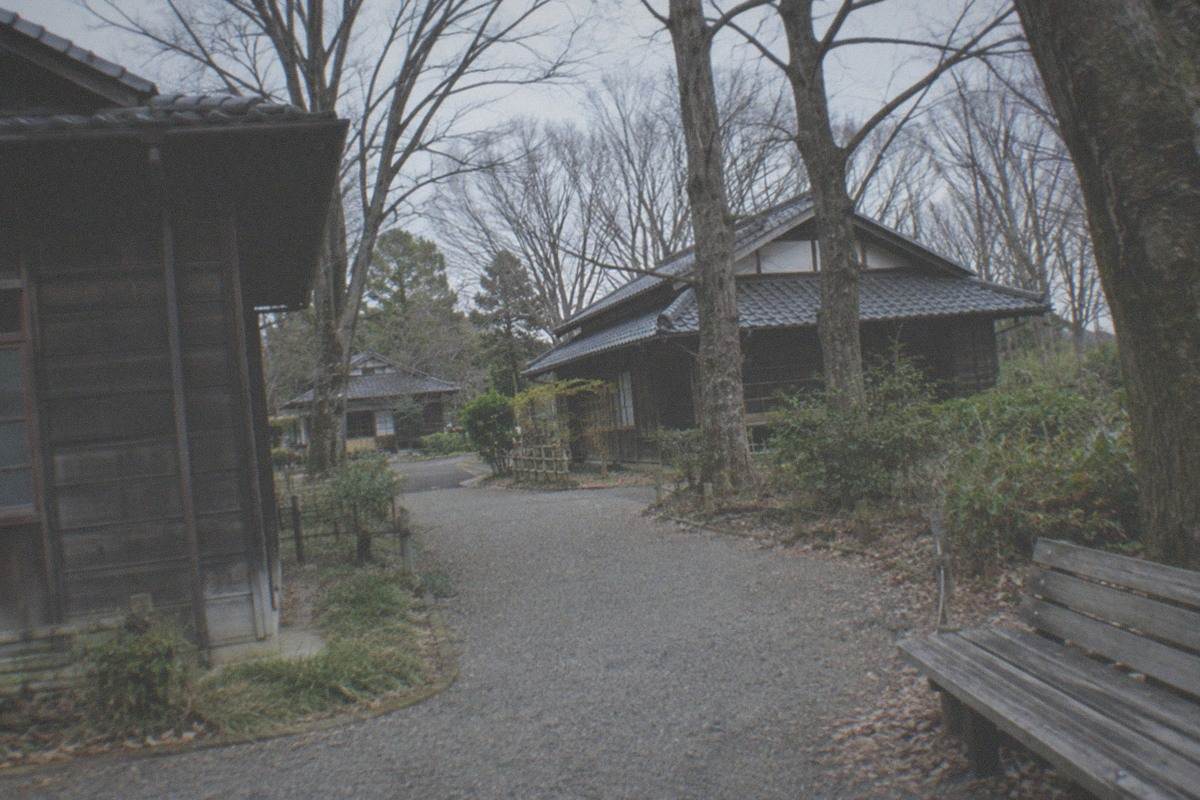
The Edo-Tokyo Open Air Architectural Museum does something almost no other Tokyo museum attempts: it moved the buildings themselves. Thirty structures, houses, shops, a bathhouse and farm buildings among them, were relocated from around Tokyo into a corner of Koganei Park and rebuilt on site, so a visitor walks through a spread-out townscape rather than past glass cases. The gate price is 400 JPY. The journey from Shinjuku runs about 50 to 70 minutes each way with one transfer, and the whole thing is a half-day outing, which is the real question this page answers: does an hour on the train for a 400 JPY ticket make sense when central Tokyo is full of museums you can walk to?
Koganei offers a self-guided walk through restored buildings. Prefer an indoor city-history collection instead? Compare the separate Edo-Tokyo Museum in Ryogoku. Explore Edo Wonderland Nikko Edomura
There is also a piece of housekeeping to deal with immediately, because it trips up travellers every week. The museum's own holiday page still displays a "temporarily closed" banner, a leftover from the pandemic era. The museum is not closed. It is operating, it sells tickets at the reception counter, and it is one of the best-value entries on the Tokyo Museum Grutto Pass. Anyone who read a guide repeating that banner should disregard it, and the sections below explain what is actually there, what the trip costs in time and money, and how the museum compares with its reopened sister site in Ryogoku.
Is The Edo-Tokyo Open Air Architectural Museum Worth The Trip To Koganei?
Yes, for most visitors with half a day and an interest in old Tokyo: 400 JPY buys entry to thirty relocated buildings in a park, a collection no central museum can match. The trip runs about 50 to 70 minutes each way from Shinjuku, with a return fare of roughly 700 to 1,100 JPY. Skip it only if you are on a first trip and have not yet seen Ueno or Ryogoku.
The honest framing is a trade. What you spend is close to two hours of travel for a half-day visit; what you get is architecture in the open air, buildings you enter, tatami rooms you stand in, a reconstructed street atmosphere that indoor galleries cannot reproduce. Reviews on the site's roster rate the experience well, and the museum's strongest suit is that the exhibits are the exhibits: no diorama stands in for the thing itself. A visitor who has already walked the Tokyo National Museum's collection halls and the Edo-Tokyo Museum's indoor galleries will find Koganei the piece those venues cannot offer, because scale and weather and footsteps on wooden floors are part of the display.
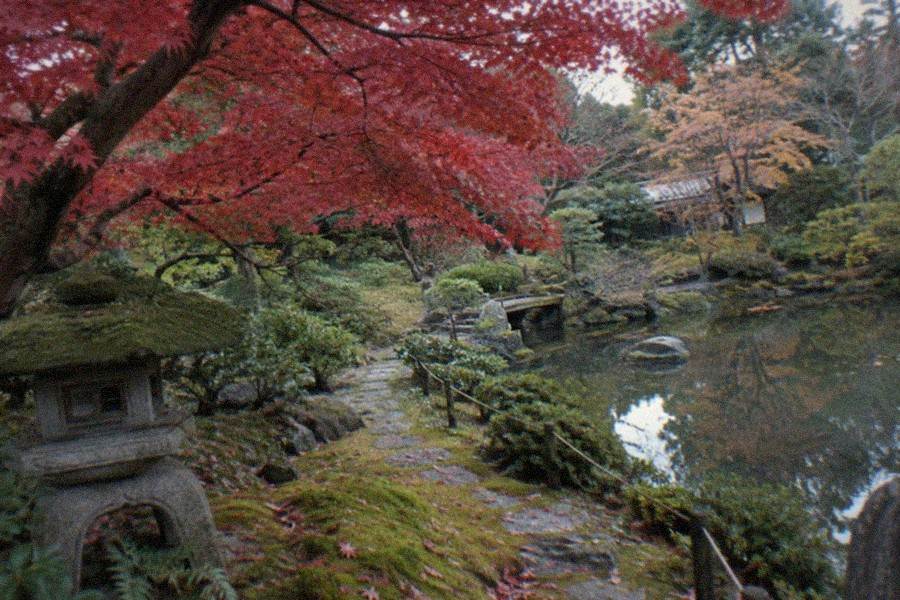
Who should make the journey, plainly:
| Traveller | Verdict | Why |
|---|---|---|
| First-time visitor, 3 days in Tokyo | Skip for now | Ueno, Ryogoku and Asakusa give more per hour |
| Second or third trip, seen the majors | Go | Something genuinely different from every indoor gallery |
| Families with children | Go, half day | Open space, buildings to enter, low entry cost |
| Architecture or history enthusiasts | Go, allow the full half day | Thirty buildings reward slow exploration |
| Rainy day | Rethink | Much of the experience is outdoors |
The museum also carries one of the more generous concession sheets in the lineup, which matters for families: junior high school students and younger enter free, high school students pay 200 JPY, university students 320 JPY, and anyone 65 or over pays 200 JPY. A grandparent with two school-age children pays 400 JPY total at the counter. Few central-Tokyo museums come close to that arithmetic, and it changes the value calculation for a household: the ticket cost of a family outing to Koganei can be less than a single adult ticket to several of the city's bigger attractions.
For anyone planning a broader history-themed itinerary, the history museums across Tokyo guide places Koganei in context beside Ryogoku and Ueno, and the Tokyo museum day trips guide covers the other venues that sit outside the 23 wards, including how to chain two of them into one long day.
What Is Actually At The Museum?
Thirty relocated buildings, mostly Edo and Meiji period houses, shops and public baths, rebuilt across a zone of Koganei Park and entered one by one. Interiors are furnished, volunteer guides staff some buildings, and the zone splits into an east and west side so most visits follow one half then the other. There is no glass-case collection: the buildings are the exhibits.
The museum's method is relocation. When Tokyo redevelopment threatened a historic house, a shopfront or a sento bathhouse, the structure was dismantled and rebuilt here, which is why the collection includes buildings that no longer exist anywhere else in the city. Visitors walk a loop, remove their shoes at many entrances, and move through tatami rooms, kitchen spaces and shop interiors as they were used. Some buildings hold period demonstrations or volunteer docents on busier days, and the pace of a visit is set by walking rather than by queueing. That pace is the reason the museum rewards a slow half day: rushing the loop turns thirty buildings into a blur of timber facades, while an unhurried route lets the differences between a merchant's house and a farmhouse register properly.
Two practical notes shape a visit. First, from 25 August 2026 the museum has had individual restored buildings closed for repair work, rotating through the collection, so a specific favourite building may be off-limits on a given day; the museum posts which buildings are affected. Second, the experience is substantially outdoors, so the seasons matter: the grounds are at their best in the green months and the autumn colour, and a wet day turns the gravel paths and shoe-removal routine into an endurance test. Neither point is a reason to stay away, but both belong in the plan.
The museum is a sibling institution to the Edo-Tokyo Museum in Ryogoku, and the pairing is deliberate: Ryogoku explains the city indoors with reconstructions and exhibits, Koganei preserves the actual fabric. Readers weighing the two should see the why is the Edo-Tokyo Museum closed explainer, which also records the Ryogoku museum's reopening on 31 March 2026 after roughly four years of renovation. Together the two museums cover the same story from opposite ends, and a traveller who enjoys one will almost always want the other.
How Do You Get To Koganei And What Does The Trip Cost?
From Shinjuku, take the JR Chuo Rapid Line to Musashi-Koganei, then a Seibu bus about five minutes to the Koganei Park west gate, then walk about five minutes. The journey runs about 50 to 70 minutes each way with one transfer, and a return fare of roughly 700 to 1,100 JPY. A JR Pass covers the rail segment; the bus is not covered.
The route is simple by Tokyo standards. Musashi-Koganei is a Chuo Line stop with frequent rapid service from Shinjuku, and the bus connection is short. The museum also lists an alternative from Higashi-Koganei using a community bus to the Tatemonoen-iriguchi stop followed by a 10-minute walk, which suits travellers coming from the east side of the park. Neither leg is complicated, but the transfer is the reason the door-to-door time stretches past an hour, and that is the figure to plan around rather than the train time alone. Anyone who has navigated Tokyo's larger interchange stations will find this trip easy; the only real decision is which park gate to approach from, and both are signposted.
These times and fares are approximations from route planners, not operator figures, so treat them as ranges. The JR segment is covered by a Japan Rail Pass; the Seibu bus and the community bus are not, so a rail-pass holder still pays the bus fare in cash or by IC card. For a half-day itinerary, most visitors do the museum in the morning and return for an afternoon elsewhere, which the Tokyo museum day trips guide structures in full. An afternoon start also works, though the grounds lose light earlier than an indoor museum, and the last part of a visit is best done with some sun on the paths.
What Does Admission Cost, And When Is It Free?
An individual adult pays 400 JPY at the reception counter, with concessions below that and free entry for junior high students and younger. The museum is free for everyone on 1 October, Tokyo Citizens' Day. Silver Day, the third Wednesday of the month, is free for visitors 65 and over, and Family Day, the third Saturday and following Sunday, is half price for a Tokyo-resident guardian accompanying a child under 18.
The full rate sheet at the counter, from the museum's own admission pages:
| Visitor | Price at the counter |
|---|---|
| Adult | 400 JPY |
| University student | 320 JPY |
| High school student | 200 JPY |
| Junior high and younger | Free |
| 65 and over | 200 JPY |
| Groups of 20 or more | Reduced rates |
Two rules deserve emphasis because a widely repeated claim says they are suspended. They are not. Silver Day and Family Day are live, listed on the museum's own English and Japanese admission pages with no suspension notice, and any guide saying otherwise is repeating a stale report. The Family Day discount carries one condition that sits on the Japanese page and must be stated: the guardian must be a Tokyo resident accompanying a child under 18. Visitors from outside Tokyo do not qualify for Family Day; anyone 65 or over qualifies for Silver Day regardless of residence. Neither rule requires a voucher or advance booking, so qualifying visitors simply state their case at the reception counter. Everything else covered here is indexed on Tokyo Museums.
The other money question is the Grutto Pass. The museum gives pass holders free entry on both the permanent and special exhibitions, the best value on the pass for this lineup, and the pass costs 2,500 JPY across 107 facilities. The catch, as always with the pass, is the exclusion list: it excludes both teamLabs, the Ghibli Museum, the Warner Bros. Studio Tour, Sanrio Puroland, the National Art Center, Nezu, Artizon, Meiji Jingu, the Railway Museum, Hakone Open-Air, SMALL WORLDS, the Unko Museum, Madame Tussauds, Tokyo Trick Art, both Yokohama museums, Edo Wonderland and special exhibitions almost everywhere. Anyone weighing the pass should read the is the Tokyo museum pass worth it guide before buying, because the break-even depends entirely on which free-entry venues a trip actually reaches.
Is The Museum Really Open? The Stale Banner Problem
Yes, the Edo-Tokyo Open Air Architectural Museum is open and operating. Its own holiday page still displays a 'temporarily closed' banner left over from the pandemic, and that banner is wrong. Tickets are sold at the reception counter, events run inside the grounds, and the museum's own news feed confirms normal operation, including maintenance notices that presuppose a working venue.
This deserves its own section because it is the single most common reason travellers write the museum off. The banner sits on a page many guide writers and AI summaries scraped during the closure era, and it has never been taken down. Meanwhile the venue stages rakugo performances inside the permanent Edo townscape, posts maintenance-closure notices for specific weeks, and lists repair work on individual buildings, all of which only an operating museum does. The museum's own site is the reference, and its admission and holiday page is the page carrying the stale banner, so a reader who lands there should trust the rest of the site instead.
The practical takeaway: plan the trip, check which individual buildings are under repair that week, and ignore the banner. The one genuine weekly closure is Monday, and when a Monday is a national holiday the museum opens that day and closes the following weekday instead, the standard convention across this lineup. That convention matters for long weekends, when a holiday Monday pulls the closure to a quiet Tuesday and catches visitors who planned around the holiday. Anyone booking accommodation around Golden Week or the autumn public holidays should build that shift into the calendar.
How Does It Compare With The Edo-Tokyo Museum In Ryogoku?
The two museums are sisters with opposite methods: Koganei preserves real buildings outdoors for 400 JPY, while Ryogoku, reopened 31 March 2026 after roughly four years, tells the city's story indoors for 800 JPY. Ryogoku is a short walk from JR Ryogoku Station and needs no advance booking; Koganei needs an hour of travel. Most travellers should see Ryogoku first, then Koganei on a second or third visit.
The comparison matters because the names confuse people and the institutions split the same story. The Edo-Tokyo Museum in Ryogoku reopened on 31 March 2026 after its long renovation, and most published guides still say it is closed, the mirror image of Koganei's problem: one museum is open while its own site says shut, the other was shut for four years while guides said open. Both errors are alive in 2026 travel content, and both are corrected on this site. A traveller who cross-checks either museum against a generic guide written before this year will get the wrong answer twice.
A visitor deciding between them on a single short trip should pick Ryogoku. It is central, walk-in, richer in narrative context, and newly reopened. Koganei rewards the traveller with more time and a specific appetite for standing inside the buildings themselves. Doing both on consecutive days is the ideal, and the history museums in Tokyo guide lays out that itinerary. Ryogoku also clusters usefully: the Sumo Museum sits inside the same Kokugikan complex, though it closes at weekends and needs a tournament ticket during a Tokyo basho, and the Sumida Hokusai Museum is a short walk away, so a Ryogoku day stacks three venues without another train leg.
For a different flavour of day trip, the Railway Museum in Omiya is a similar distance from central Tokyo in the other direction, about 45 to 60 minutes from Tokyo Station, and pairs well with a Koganei visit on separate days for a family week. Its door price is 1,600 JPY, or 1,500 JPY bought in advance, a two-price split most guides miss, and it closes Tuesdays. The advance ticket sells through the museum's own site or at convenience-store terminals, and foreign visitors can use either route, which makes it one of the easier greater-Tokyo bookings to arrange.
Common Questions About The Edo-Tokyo Open Air Architectural Museum
Is the Edo-Tokyo Open Air Architectural Museum worth the trip to Koganei?
For a second or third visit to Tokyo, yes: 400 JPY buys entry to thirty relocated historic buildings in a park, an experience no central museum offers. The trip takes about 50 to 70 minutes each way from Shinjuku. First-time visitors short on days should prioritise Ueno and Ryogoku instead.
Is the Edo-Tokyo Open Air Architectural Museum closed?
No. It is open and operating. Its own holiday page still shows a 'temporarily closed' banner left over from the pandemic era, and that banner is wrong. The museum sells tickets at the reception counter and runs events normally. It closes Mondays, opening instead when a Monday is a national holiday.
How much is admission to the Edo-Tokyo Open Air Architectural Museum?
An individual adult pays 400 JPY at the counter. University students pay 320 JPY, high school students 200 JPY, anyone 65 or over 200 JPY, and junior high school students and younger enter free. The Tokyo Museum Grutto Pass gives free entry on both the permanent and special exhibitions.
How do I get to the Edo-Tokyo Open Air Architectural Museum?
From Shinjuku, take the JR Chuo Rapid Line to Musashi-Koganei, then a Seibu bus about five minutes to the Koganei Park west gate and a five-minute walk. The journey runs about 50 to 70 minutes each way with one transfer, and a return fare of roughly 700 to 1,100 JPY. A JR Pass covers the rail leg but not the bus.
When is the Edo-Tokyo Open Air Architectural Museum free?
Free for everyone on 1 October, Tokyo Citizens' Day. Free for visitors 65 and over on the third Wednesday of every month, Silver Day. Family Day, the third Saturday and the following Sunday, is half price for a Tokyo-resident guardian accompanying a child under 18. Both monthly rules are live and not suspended.
How long should I spend at the Edo-Tokyo Open Air Architectural Museum?
Plan a half day on site, plus close to two hours of travel round trip from Shinjuku. The thirty buildings split across east and west zones, and most visitors walk one half, rest, then the other. Check which individual buildings are closed for repair work that week, since the museum has had rotating closures since 25 August 2026.
Is the Edo-Tokyo Open Air Architectural Museum the same as the Edo-Tokyo Museum?
No. They are sister museums with different sites. The open-air museum in Koganei preserves relocated historic buildings outdoors. The Edo-Tokyo Museum in Ryogoku is an indoor museum that reopened on 31 March 2026 after a roughly four-year renovation, charging 800 JPY for its permanent exhibition.
Is the Edo-Tokyo Open Air Architectural Museum good for children?
Yes, particularly school-age children. Junior high students and younger enter free, the grounds give room to run between buildings, and the interiors are hands-on in a way galleries are not. Much of the visit is outdoors, so pick a dry day, and note that high school students pay 200 JPY.
Choose Your Museum Experience
Start With This Option
Have a date in mind? Plan Edo Wonderland Nikko Edomura before arranging the rest of your day.
Admission to the recreated Edo-period town and performances at Edo Wonderland near Nikko. Travel from Tokyo is separate.
Tailor Your Choice And Compare Alternatives
Edo Wonderland Nikko Edomura: Admission to the recreated Edo-period town and performances at Edo Wonderland near Nikko. Travel from Tokyo is separate.
The Railway Museum: The Railway Museum in Omiya, with full-size trains and railway displays. Travel from Tokyo and separately reserved activities are not included unless specified.
Edo-Tokyo Museum: A private guided visit to the Edo-Tokyo Museum in Ryogoku, about 2 hours 15 minutes. This is the indoor museum, not the open-air museum in Koganei.
Set your Edo Wonderland Nikko Edomura date before arranging the rest of your day.
Choose Your Edo Wonderland Nikko Edomura Date