What Is The Best Time Of Day To Visit teamLab Planets?
The time slot you pick at teamLab Planets changes the queue, the light and the photographs. Here is how the day breaks down, which slots sell out first and how to choose.
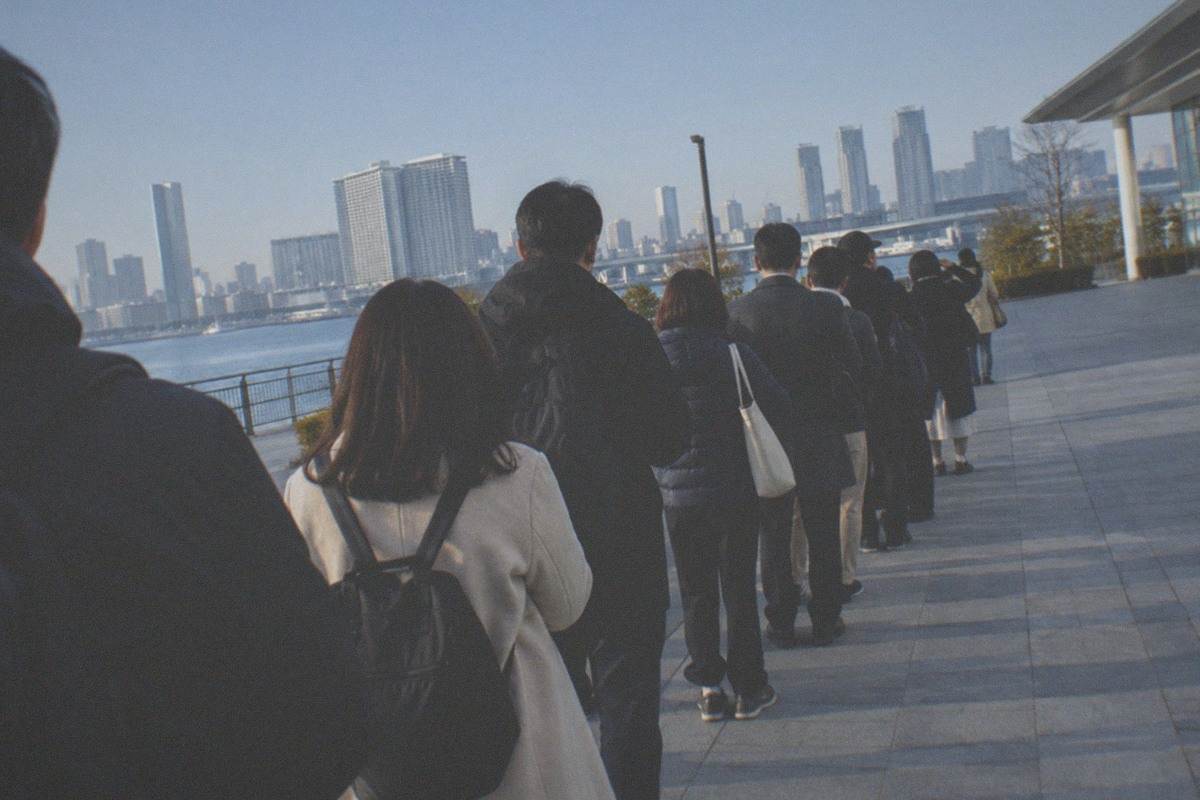
teamLab Planets TOKYO does not sell a single ticket at the door. Every visit is a date- and time-specified entry bought in advance, through the venue's official ticket store, convenience-store terminals or the live listing, and the slot you book is the slot you walk into. That makes the question of timing different from almost every other museum in Tokyo: you are not deciding when to arrive, you are deciding which hour to commit to weeks or days ahead, sight unseen.
The hour matters because Planets admits timed waves and has no door sales. Choose the first slot for the calmest rooms or a late slot for atmosphere, then reserve the date you can actually use. Explore teamLab Planets TOKYO
The honest answer is that the slots are not equal. Opening hours run early to late, crowd patterns shift through the day, and the experience itself, barefoot, partly in water, changes character with the number of people inside it. This page breaks the day into its real blocks, explains which slots disappear first, and shows how to match the hour to what you actually want from the visit.
What Is The Best Time Of Day To Visit teamLab Planets?
The best time of day at teamLab Planets is the first entry slot of the morning, because the venue is at its emptiest, the water features are at their cleanest and you exit with the whole day left in Toyosu. The second-best window is the last slot of the evening, when the after-work crowd has gone and the rooms feel quieter. Mid-afternoon is the busiest stretch and the least rewarding hour to book.
The reasoning behind the morning recommendation is simple. Planets admits visitors in timed waves, and the first wave of the day walks into rooms that have not yet absorbed hundreds of wet footprints, queue lines and phone screens. The venue's most photographed spaces depend on still water and dark floors, and both read best before the day's traffic. The morning also protects you against the domino effect of a delayed start: if anything goes wrong on the way to Shin-Toyosu Station, a midday slot has no slack in it, while an early booking leaves the rest of the day as a buffer.
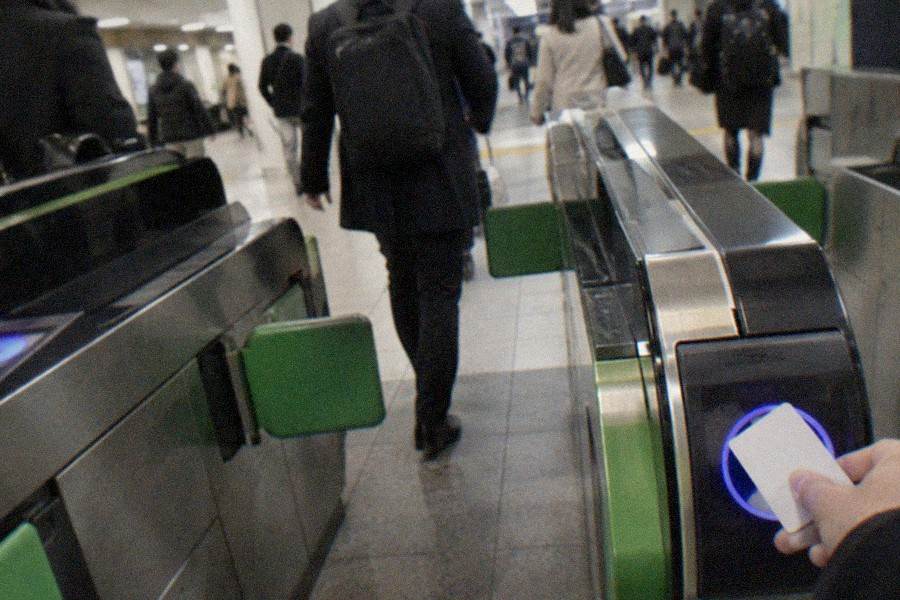
The evening slot earns its place for different reasons. Late entries suit anyone whose body clock fights a Tokyo morning, and the walk from Shin-Toyosu Station, one minute on the Yurikamome Line, is calmer after the commuter peak. The trade-off is that evening slots near closing compress your visit: the venue shepherds the last wave through briskly, and if you linger in a favourite room you can feel it. If photographs matter more than pace, book the morning. If atmosphere matters more, book the last slot that still gives you a comfortable hour inside.
Mid-afternoon is the hour to avoid. It is when tour groups, families with school-age children and visitors fitting Planets between other Toyosu and Odaiba stops all collide, and the queue inside the first room backs up accordingly. The venue still runs, still admits, still delivers, but the floating rooms lose their stillness and you will spend part of your slot waiting for a clear stretch of floor. Nothing about the afternoon is a dealbreaker, it is simply the worst value for the same ticket price.
Here is how the day's blocks compare:
| Time block | Crowd level | Best for | Weakest point |
|---|---|---|---|
| First slot of the day | Lowest of the day | Photography, still water, a relaxed pace | Requires an early start to reach Toyosu |
| Late morning | Building steadily | A balance of access and energy | The first tour groups arrive |
| Early afternoon | Peak of the day | Nothing in particular | Longest internal queues, busiest rooms |
| Late afternoon | Easing | Flexible visits, nearby Odaiba plans | Energy dips, rooms show the day's wear |
| Final slots | Low again | Atmosphere, quieter rooms | Time inside is compressed toward closing |
When Do teamLab Planets Slots Go On Sale And Which Sell Out First?
Slots go on sale through the official ticket store and other channels in advance of the visit date, and the first slot of the morning and the weekend slots are the ones that disappear first. Advance purchase is not advice here, it is the only route: there are no door sales at all, on any day, at any hour. If your date is fixed, book as early as your plans allow.
The mechanics matter more than at a walk-in museum. Because every ticket carries a date and an entry time, capacity is fixed per slot, and popular slots sell through the same channels at the same moment: the official ticket store, Lawson Ticket and Seven Ticket convenience-store terminals, the live listing and HIS. When a slot is gone, it is gone. There is no standby line at the venue in Toyosu that can rescue a plan, which is why the booking decision and the timing decision are really one decision.
Patterns are predictable enough to plan around. Weekend dates go first, then the first morning slot on any date, because it is the slot every guide recommends and every photographer wants. Evening slots hold out longer on weekdays, when the after-work crowd books late and spontaneously. If you are chasing a specific Saturday morning in a holiday period, treat the release like a live event: decide your date, watch the calendar, and buy the moment your slot appears. The venue has announced it will operate through the end of 2027, so the long-term risk is not closure, it is competition for the hours you want.
One planning note that saves people real money and stress: the price is date-based and moves with demand, so the figure you see when you pick a date is the figure for that date, and a quieter weekday slot can cost less than a Saturday one. The venue's own page is the place to see the calendar and the current hours for your date, since opening hours run early to late and shift across the year. Tickets sell from $24.29 on the live listing, and the product carries a 4.7 rating across 21,329 reviews, which tells you the experience itself rarely disappoints: what disappoints is the wrong slot on the wrong day.
For everything the ticket does not cover, the practicalities of clothing and footwear have their own write-up in what to wear at teamLab Planets, because the barefoot, water-crossing design of the venue makes wardrobe the single most common mistake. And if you are still deciding how much of your day to give it, how long to spend at teamLab Planets breaks the visit into realistic timings.
Is Morning Or Evening Better For Photographs At teamLab Planets?
Morning is better for photographs. The first slot gives you the cleanest water surfaces, the darkest and most reflective floors before thousands of visitors pass through, and the shortest waits for the rooms people most want to shoot. Evening photographs are workable but harder, because the rooms carry the day's traffic and the final waves move faster.
The photographic logic of the venue favours emptiness more than most. Several of the signature spaces work by reflecting light off water and polished dark floors, and every additional person in the frame is a silhouette, a phone screen glow or a ripple where you wanted a mirror. In the first hour the surfaces behave the way the designers intended. By late afternoon, the same rooms are still beautiful but busier, and getting a clean frame means waiting for gaps between waves of visitors.
There is a second, subtler reason the morning wins: light spill. Planets is deliberately dark, and the difference between a morning visit and an evening one is not the interior light, which is controlled, but your own energy and the behaviour of the crowd around you. Morning visitors move slowly and look up. Evening visitors, tired and hungry, move faster and photograph less. If the images are the point of your trip, the first slot is the whole answer, and everything else in this article is secondary.

One honest caveat: no slot guarantees an empty room. The venue manages capacity per entry wave, but a wave is a group, not a person, and the most popular rooms gather queues at every hour of the day. The morning first slot minimises the problem rather than eliminating it. If you photograph with a phone rather than a camera, the dark interiors reward patience over equipment: hold still, let the exposure settle, and shoot between waves rather than during them.
How Do Seasons And Weekends Change The Best Hour?
Summer and winter school holidays concentrate crowds into every slot, weekends are busier than weekdays at every hour, and the first slot of the morning is the one that stays comparatively calm through all of it. In peak periods the choice is less about the perfect hour and more about grabbing whichever slot remains, so book earlier than feels necessary.
The seasonal pattern is the standard Tokyo one, with a venue-specific twist. Because Planets is indoors, barefoot and partly in water, it is a magnet on rainy days and in the humid height of summer, when the cool, dark rooms are relief as much as attraction. A rainy Saturday in July is the single most competitive booking scenario the venue has. A weekday morning in a quiet season is the opposite: slots available, rooms calm, the whole experience operating at its best.
Weekends behave as you would expect, but the timing shifts. On a weekday, the afternoon peak builds gradually. On a weekend, the first slot is contested and the whole day runs fuller, which means the usual advice to book the morning matters more, not less, and you should expect to book it further ahead. National holidays behave like weekends. If your Tokyo dates are locked to a holiday period, decide your slot the day your dates are fixed, because the calendar does not forgive late deciders in those weeks.
| Booking scenario | How early to book | Slot most likely to vanish first | Fallback strategy |
|---|---|---|---|
| Weekday, quiet season | A few days ahead | First morning slot | Any weekday slot works acceptably |
| Weekday, school holidays | One to two weeks ahead | First morning slot | Late evening slot |
| Weekend, quiet season | Two weeks ahead | First morning slot | Early evening slot |
| Weekend or holiday, peak season | As soon as dates are known | Morning and late-morning slots | Take any remaining slot and go early anyway |
| Rainy day in summer | As soon as forecast is known | Every slot tightens | Book before the forecast, not after it |
The rain point deserves its own sentence, because it inverts normal planning. Indoor venues in Tokyo fill on wet days, and Planets fills harder than most because the water rooms make rain feel irrelevant once you are inside. Visitors who wait for a forecast to book lose the slots to visitors who booked before the forecast existed. If you see rain coming for your free afternoon, the slot you want is already shrinking.
What Should You Know Before You Pick A Slot At teamLab Planets?
Know three things before you pick: the venue is advance-only with no door sales on any day, it has announced it will operate through the end of 2027, and the experience is barefoot with water crossings, so your slot choice should account for clothing, drying time and what you plan afterwards. The hour you book shapes the whole rest of your day in Toyosu.
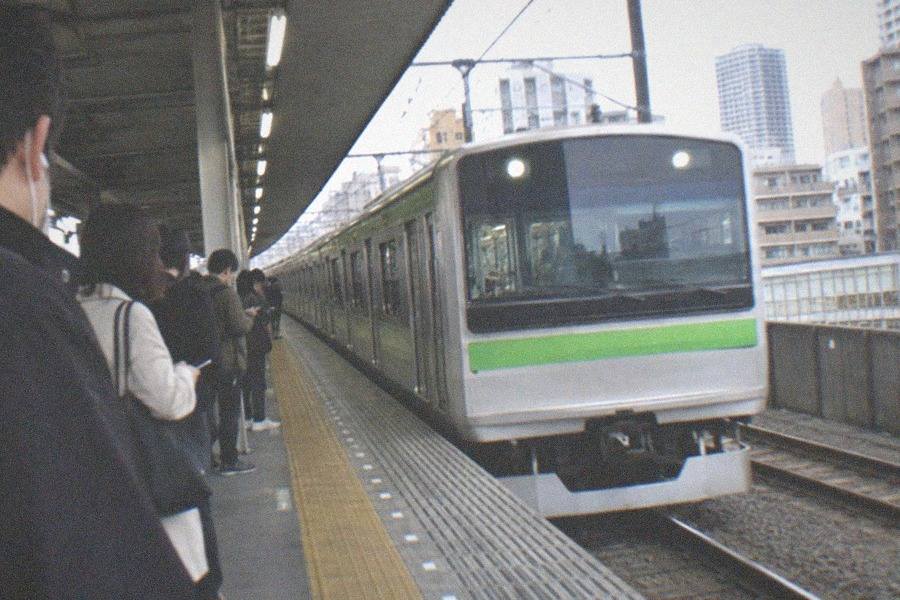
The logistics around the slot matter as much as the slot itself. The venue sits at 6-1-16 Toyosu in Koto, a minute's walk from Shin-Toyosu Station on the Yurikamome Line, which puts it on the same driverless waterfront loop as Odaiba and the Toyosu market area. A morning slot pairs naturally with the market and the Odaiba museums afterwards. An evening slot pairs with almost nothing, because the waterfront quiets down after dark, so plan dinner elsewhere and treat the visit as the day's finale rather than its opening.
The barefoot, water-crossing design is the detail that catches the most visitors out, and it interacts with timing in a way people rarely expect. You will roll up your trousers and walk through ankle-deep water in some rooms, and the venue provides towels and a place to clean your feet, but the process adds minutes at the start and end of your visit. A first-slot visitor does this in an empty changing area. A peak-slot visitor does it in a queue. The same is true of the lockers and the shoe storage: they are sized for a wave, not a surge, and the surge is always the afternoon.
If you are choosing between Planets and its sibling venue, the comparison has a full write-up in teamLab Planets versus Borderless compared. The short version for timing purposes: Borderless, at Azabudai Hills, runs timed slots you should also book ahead but with irregular Tuesday closures, while Planets is advance-only with no door route and no published weekly closing day, so check the venue's own calendar for your date rather than trusting a day-of-week rule you read elsewhere. Both carry a 4.7 rating, Planets across 21,329 reviews and Borderless across 23,793, so the choice between them is about format and location, not quality.
For a completely different flavour of Tokyo weirdness on the same waterfront side of the city, the Unko Museum at DiverCity Tokyo Plaza in Odaiba pairs with a Planets morning on paper, and its own page covers what it actually is. The pairing works best when Planets is the early slot and Odaiba is the afternoon, not the reverse: the Unko Museum is a short, bright, walk-in venue, and it absorbs a spare hour far better than Planets, which needs your energy and your dry feet at their best.
Which Slot Should You Actually Book?
Book the first morning slot if photographs or stillness matter, the last evening slot if atmosphere matters more, and any weekday slot you can still get if your dates fall in a holiday peak. The one genuinely wrong answer is arriving in Toyosu without a ticket, because there is no door, no standby line and no same-day rescue: the slot you booked is the visit you get.
Treat the decision as a sequence. Fix your date first, because everything else depends on it. Check the venue's own calendar for that date, since hours shift and no weekly closing rule is published. Then buy the earliest slot that suits your energy, erring morning over evening unless you have a specific reason. Finally, plan the rest of your day around the exit rather than the entry: a morning booking hands you Toyosu and Odaiba at their most useful, and an evening booking hands you a quiet ride home.
The deeper point is that in Tokyo, advance reservation is the axis the whole museum landscape turns on, and Planets is its purest example. Three venues in this city cannot be walked into at all: Planets, the Ghibli Museum in Mitaka and the Fujiko F. Fujio Museum in Kawasaki, each with its own official channel and its own rules. The sites that rank museums by price miss this entirely. A visitor who understands which venues need booking, when their slots release and through which channel has solved the real problem of a Tokyo itinerary, and Tokyo Museums exists to keep that answer straight.
Common Questions About Visiting teamLab Planets
What Is The Best Time Of Day To Visit teamLab Planets?
The first entry slot of the morning, when the rooms are emptiest, the water surfaces are cleanest and photography works best. The last evening slot is the second choice for atmosphere. Mid-afternoon is the busiest and least rewarding hour.
Can You Buy teamLab Planets Tickets On The Day?
No. The venue is advance-only with no door sales at all, on any day. Every ticket is date- and time-specified and must be bought in advance through the official ticket store, convenience-store terminals or the live listing.
Which teamLab Planets Slots Sell Out First?
The first morning slot and all weekend slots go first, and every slot tightens on rainy days and in school holidays. In peak periods, decide your slot as soon as your dates are fixed rather than waiting for a forecast.
Is teamLab Planets Better In The Morning Or At Night?
Morning for photographs and quiet rooms, night for atmosphere and a relaxed start to the day. The rooms are dark and controlled inside either way, so the difference is the crowd, not the light.
Does The Price Change Depending On The Slot?
Pricing is date-based and moves with demand, so the figure shown when you pick a date is the figure for that date. A quieter weekday slot can cost less than a Saturday one. Tickets sell from $24.29 on the live listing.
Is teamLab Planets Closing?
No. The venue has announced it will operate through the end of 2027. It publishes no fixed weekly closing day, so check the venue's own calendar for your specific date instead of relying on a day-of-week rule.
How Long Should You Allow For The Visit?
The timed entry and the barefoot, water-crossing design add minutes at both ends, so allow comfortable time beyond the rooms themselves. A first-slot visit runs smoothest because the changing and locker areas are empty; peak slots add queues there too.
Should You Visit teamLab Planets Or teamLab Borderless?
Both are timed-entry, book-ahead venues rated 4.7, Planets across 21,329 reviews and Borderless across 23,793. Planets is in Toyosu and advance-only; Borderless is at Azabudai Hills and closes irregular Tuesdays. The choice is format and location, not quality.
Choose Your Museum Experience
Start With This Option
Have a date in mind? Plan teamLab Planets TOKYO before arranging the rest of your day.
Timed admission to the barefoot, water-based digital art experience in Toyosu. Wear clothes you can roll above your knees; transport is separate.
Tailor Your Choice And Compare Alternatives
teamLab Planets TOKYO: Timed admission to the barefoot, water-based digital art experience in Toyosu. Wear clothes you can roll above your knees; transport is separate.
teamLab Borderless: Timed admission to teamLab’s room-free digital art museum at Azabudai Hills. A different venue from Planets, without its barefoot water route.
Unko Museum Tokyo: Admission to the colorful, poop-themed interactive attraction at DiverCity in Odaiba. It is a playful photo stop, not a science collection.
Set your teamLab Planets TOKYO date before arranging the rest of your day.
Choose Your teamLab Planets TOKYO Date