Artizon Museum Tickets
Check Price & Availability →Opens the official listing with live dates and prices. Book there; nothing is charged on this site.
- Area
- Kyobashi, Chuo
- Theme
- Art museums
Five minutes from Tokyo Station's Yaesu Central Exit, inside the Museum Tower Kyobashi, the Artizon Museum runs one of the tightest admission systems of any art museum in central Tokyo. Entry is by timed slot: fifteen half-hour windows a day, each one capped, each one cheaper if you book it online in advance. The museum sits in Kyobashi, a quiet corner of Chuo between Ginza and Nihombashi, and its collection spans art from old masters to contemporary Japanese work. Students get in free, which is unusual for Tokyo, though even they need a web reservation first. This page covers the two prices, the booking channels, what a sold-out slot means, opening hours, the Monday closure rule, and how to reach the building by train.
What Is The Artizon Museum?
The Artizon Museum is an art museum in the Museum Tower Kyobashi building at 1-7-2 Kyobashi, Chuo-ku, a five minute walk from Tokyo Station's Yaesu Central Exit. It runs a timed-entry system with fifteen half-hour slots a day and charges 1,500 JPY at the door, 1,200 JPY booked online.
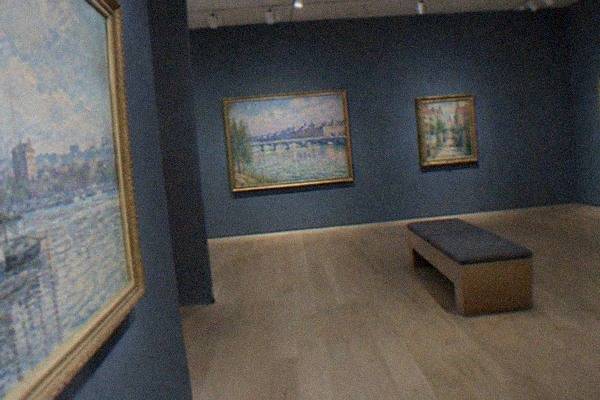
The museum's Japanese name is アーティゾン美術館, and its programme is built around art as its single theme, spanning Western and Japanese painting, prints, sculpture and contemporary work. Rather than one fixed permanent hang, the galleries are rehung around rotating exhibitions drawn from the collection, which means two visits a few months apart can feel like two different museums. That also means the museum closes entirely during exhibition renewals, a point worth checking on the museum's own visitor guide before you commit to a date.
The location is the quiet selling point. Kyobashi is not a district most visitors otherwise have on their list, sitting between the Ginza shopping streets and the Nihombashi bridge, so the museum rarely has the crowd pressure of Ueno Park. A visit slots naturally into a morning or afternoon that also takes in Ginza, and Tokyo Station's Yaesu side puts it within reach of almost any hotel in central Tokyo.
The building itself is a dedicated museum tower, so the galleries are purpose-built rather than converted, with the ticketing and entrance flow designed around the timed-slot system. Arrive inside your booked half-hour window, exchange your booking for entry, and stay as long as the closing time allows. The contrast with the walk-in museums elsewhere in the city is real, and it shapes every recommendation on this page: plan the slot first, then plan the day around it.
How Much Are Artizon Museum Tickets?
A standard adult ticket costs 1,500 JPY bought in person on the day of your visit, or 1,200 JPY when you book the timed-entry ticket online in advance. Students are admitted free, but they still need a web reservation before arriving. Certificate holders and one carer enter free with no reservation.
The two-tier price is the part most guides miss. Buying at the door costs 300 JPY more than booking the same admission online, so the online route pays for itself immediately. The 300 JPY gap is fixed, not promotional, and it applies every day the museum is open.
The student rule is generous by Tokyo standards: every student, not just schoolchildren, enters free of charge. The catch is procedural rather than financial, because a free student still has to reserve a timed slot through the museum's web ticket site in advance. Turning up with a student ID and no reservation does not work. Holders of a physical disability, rehabilitation or mental disability welfare certificate, plus one carer, are the one group that needs no reservation at all.
| Ticket | Price | Notes |
|---|---|---|
| Adult, bought in person on the day | 1,500 JPY | Subject to a slot being available |
| Adult, timed-entry ticket booked online | 1,200 JPY | Cheaper than the door price |
| Students | Free | Web reservation required |
| Disability, rehabilitation or mental disability welfare certificate holder plus one carer | Free | No reservation needed |
The booking panel above this page covers the timed ticket, which is the same admission the museum sells itself. Whichever route you use, the price you pay is one of the two figures in the table, and nothing else is added at the entrance.
How Far Ahead Do You Have To Book?
Book a timed slot ahead through the museum's own web ticket site, Lawson Ticket online or at a Loppi machine in a Lawson store, or ART PASS. Same-day door sales exist but are risky, because fifteen half-hour slots a day can fill, and a sold-out slot means waiting for a later one that day.
Three channels sell the timed ticket. The museum's own web ticket site is the most direct and the one to use if you want the cheapest price and a slot you choose. Lawson Ticket sells the same admission online or through the Loppi terminal found in every Lawson convenience store, which is useful if you are already in Japan and want to buy in cash. ART PASS is the third route, bundled alongside other Tokyo art venues.
What a sold-out slot actually means is the practical question. The museum does not stop selling for the day when one half-hour window fills; it keeps selling the later windows. So a sold-out morning slot pushes you to an afternoon slot, and a fully sold-out day leaves you choosing another date. Weekend afternoons and holiday Fridays are the windows that fill first, and the later slots on a Friday, when the museum runs to 20:00, are often the last thing to go. If your dates are fixed, book the slot when you book the hotel.
This is the same timed-slot discipline that teamLab Borderless and teamLab Planets TOKYO run on, though those two venues are stricter still: Planets sells no door tickets at all. Artizon sits one step back from that, keeping same-day sales alive for walk-up visitors, but treating them as a fallback rather than a plan. The museum's own user guide carries the current slot availability, and it is the page to check when your first-choice time is gone.
The one group with genuine walk-in freedom is certificate holders and their carer, who enter free with no reservation. Everyone else, including free students, is inside the timed system.
More advice for planning this museum visit →
What Are The Opening Hours And Closed Days?
The Artizon Museum is open until 18:00, and until 20:00 on Fridays except when a Friday is a national holiday. It closes on Mondays, and on the following weekday when a national holiday falls on a Monday. Last admission is 30 minutes before closing, and it also shuts for exhibition renewals and New Year.
The Friday late opening is the most useful string in the schedule, because it adds two evening hours at the end of the working week and turns the museum into an after-work or after-dinner option from Ginza. The exception matters: when the Friday itself is a national holiday, the late opening does not run, and the museum keeps normal hours instead.
The Monday closure follows the standard Tokyo convention. When a national holiday lands on a Monday, the museum opens that day and closes the following weekday instead, which catches out visitors who assume holiday Mondays behave like normal Mondays. The rule is simple to apply: check the Japanese holiday calendar for your week, and if the Monday is red, expect the Tuesday to be the closed day.
| Hours | To 18:00; Fridays to 20:00, except on national holidays |
|---|---|
| Closed day | Monday, or the following weekday when a national holiday falls on a Monday |
| Area | Kyobashi, Chuo |
| How far ahead to book | Timed slot, book ahead; same-day door sales are risky |
| How long to allow | Roughly two to three hours for a full visit |
Two further closure types sit outside the weekly rhythm. The museum shuts completely during exhibition renewals, and because the rehang schedule moves with the programme, the dates are not fixed: the museum's own site is the only reliable source for a gap that might cover your visit. The museum also closes over New Year, which is the one period when nearly every Tokyo museum goes dark together. Last admission is 30 minutes before closing, so a 17:30 arrival on a weekday still gets you in, though an hour inside is a thin visit.
How Do You Get To The Artizon Museum?
The museum sits at 1-7-2 Kyobashi, Chuo-ku, inside Museum Tower Kyobashi, a five minute walk from JR Tokyo Station's Yaesu Central Exit. The Ginza Line's Kyobashi station, exits 6 and 7, and Nihombashi exit B1 are the subway alternatives. Allow roughly two to three hours inside for a full visit.
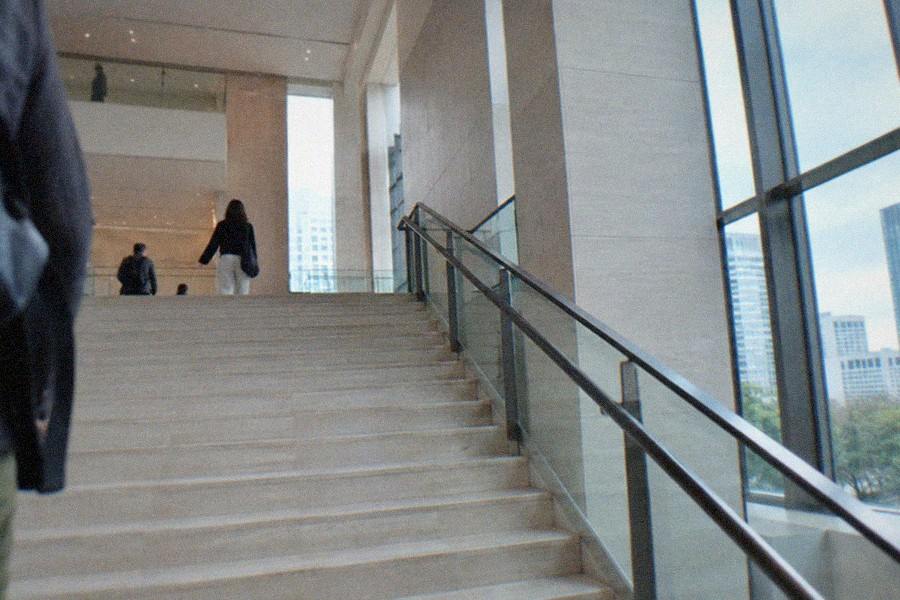
The Tokyo Station approach is the one to use from almost anywhere in the city, because the JR Yaesu Central Exit puts you a flat five minute walk from the tower. Yaesu is the station's east side, the side facing Ginza and Nihombashi, so follow the Kyobashi signs once you are out of the gates. For anyone already on the Ginza subway line, Kyobashi station's exits 6 and 7 land closer still, and Nihombashi exit B1 serves the Toei and Metro lines that meet under the bridge.
Sequencing the visit is straightforward because the neighbourhood does the work for you. Ginza lies five to ten minutes west on foot, which makes an Artizon morning followed by a Ginza lunch, or a Ginza afternoon followed by a Friday evening slot, the two natural shapes for the day. Nihombashi is equally close to the east, and Tokyo Station itself, with its Character Street and restaurant floors inside, is a rain-proof walk away. Nothing about the location requires a dedicated trip unless you want one.
One planning note on timing: because the last admission is 30 minutes before closing, the practical latest full visit on a weekday starts around 15:30, and the Friday late opening stretches that comfortably into the evening. Arriving at the start of your booked half-hour window is the only punctuality the system asks of you; there is no queue-and-wait phase once your slot comes up, which is the quiet advantage of timed entry over the walk-in museums.
Who Is The Artizon Museum Best For?
The Artizon Museum suits visitors who want a serious art collection within five minutes of Tokyo Station, and it suits students especially well because they enter free with a web reservation. It is a poor fit for anyone hoping to walk in on a busy weekend afternoon without a booked slot.
Students are the clearest winner here. Free admission for every student, with only a web reservation to arrange, is a better deal than almost any other art museum in the city offers, and the collection is deep enough to reward a long, unhurried visit. Certificate holders and a carer get the same free entry with even less friction, since no reservation applies to them at all.
For general visitors, the museum works best as a half-day anchor in a Ginza or Nihombashi plan, and it pairs naturally with other art stops, though not with the big Ueno institutions on a Monday: Tokyo National Museum closes Mondays too, so a Monday art day in this part of Tokyo needs rethinking around venues that stay open. The Grutto Pass does not help here either: Artizon is excluded from the 2026 pass entirely, as the official Grutto Pass site shows, so there is no pass route to this admission. The two-price system is the only discount structure that exists: book online, pay 1,200 JPY, and the saving is automatic.
Who should skip it? Visitors who want a guaranteed walk-in experience, since the timed system makes every visit a small piece of planning. Visitors with only one museum slot in a short trip may prefer a Ueno heavyweight or a teamLab for spectacle over collection. And anyone travelling during an exhibition renewal window will find the doors shut, so the museum's own site is the last check before you book a slot. For everyone else, an Artizon slot is one of the easiest high-quality art visits to arrange in central Tokyo.
Questions People Ask
How much does the Artizon Museum cost?
A standard adult ticket is 1,500 JPY bought in person on the day, or 1,200 JPY when you book the timed-entry ticket online in advance. Students are admitted free with a web reservation, and holders of a physical disability, rehabilitation or mental disability welfare certificate plus one carer enter free with no reservation.
Can you walk into the Artizon Museum without a booking?
Same-day door sales exist, but they are risky. The museum runs a timed-entry system with fifteen half-hour slots a day, and when a slot sells out you are pushed to a later window or another day. Booking ahead through the museum's web ticket site, Lawson Ticket or ART PASS secures your slot and costs 300 JPY less.
What day is the Artizon Museum closed?
The museum closes on Mondays, and on the following weekday when a national holiday falls on a Monday. It also closes entirely during exhibition renewals and over New Year, so the museum's own site is the check for a gap that might cover your dates.
What time does the Artizon Museum close?
Normal closing is 18:00, with last admission 30 minutes before closing. On Fridays the museum stays open until 20:00, except when the Friday is a national holiday, in which case normal hours apply.
Do students really get in free?
Yes. Students are admitted free of charge, but a web reservation is required, so a student ID alone at the door is not enough. Reserve the free timed slot through the museum's web ticket site before you arrive.
Where is the Artizon Museum and how do I get there?
The museum is at 1-7-2 Kyobashi, Chuo-ku, inside Museum Tower Kyobashi, a five minute walk from JR Tokyo Station's Yaesu Central Exit. The Ginza Line's Kyobashi station, exits 6 and 7, and Nihombashi exit B1 are the subway alternatives.
Does the Grutto Pass cover the Artizon Museum?
No. Artizon Museum is excluded from the Tokyo Museum Grutto Pass, along with both teamLab venues, the Ghibli Museum and many others. The only saving available is the museum's own two-price system: 1,200 JPY online against 1,500 JPY at the door.
How long should I allow for a visit?
Roughly two to three hours covers a full visit at a relaxed pace. Last admission is 30 minutes before closing, so a weekday visit starting after 15:30 will feel short, while the Friday late opening to 20:00 gives the most room.
Other Art Museums Worth A Look