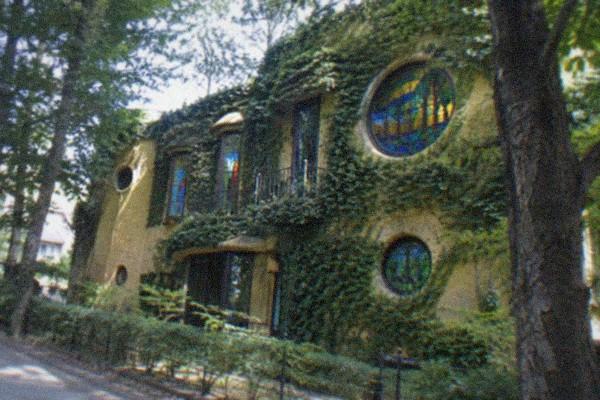
Ghibli Museum, Mitaka
Mitaka, western Tokyo
from $179.19full-day guided bus tour, museum admission included Check availability →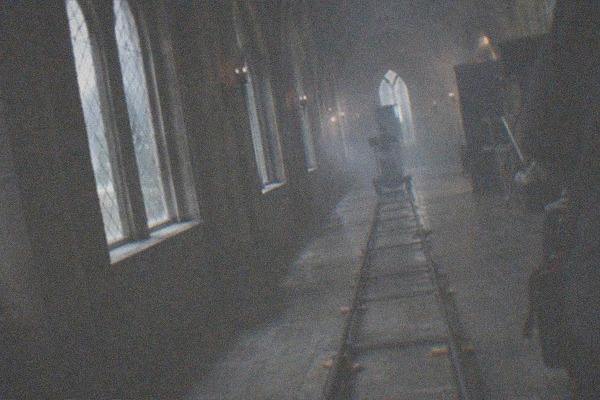
from $42.75 per person
Check Price & Availability →Opens the official listing with live dates and prices. Book there; nothing is charged on this site.
On the Toshimaen site in Nerima, a long way from the museum clusters of Ueno and Roppongi, Tokyo keeps one of its most demanding tickets. Warner Bros. Studio Tour Tokyo - The Making of Harry Potter is not a museum, and no part of a visit behaves like one. It is a walk-through attraction built around the making of the Harry Potter films, it admits visitors by timed slot on a dated ticket, and its standard adult price stands above every museum door price in this directory. It also carries a 4.8 rating across 16,914 reviews. Price, timing and demand make booking the real subject of any visit, so this page concentrates on what decides it: the ticket, the slot, the door-sales risk and the alternatives.
Warner Bros. Studio Tour Tokyo is a walk-through attraction on the Toshimaen site in Nerima, built around the making of the Harry Potter films. It is not strictly a museum: there is no collection and no curatorial programme. It is a timed-entry, dated-ticket experience, and every visit is built around a pre-booked slot.
The distinction changes how a visit works, so it is worth making plainly. A museum keeps a collection, runs exhibitions and usually sells a walk-up ticket at a counter. The studio tour keeps none of those conventions. It sells a dated, timed ticket for a designed walk-through experience, closer in spirit to a theme-park attraction than to a gallery, and this directory lists it in the pop-culture band alongside Sanrio Puroland, SMALL WORLDS TOKYO and Snoopy Museum Tokyo for exactly that reason.
The placement is practical rather than pedantic. Every venue in that band bends the word museum in its own way, and each one bends it differently. SMALL WORLDS TOKYO still sells a plain walk-in ticket at a first-floor counter. Snoopy Museum Tokyo runs timed entry with advance sales through e-plus. The studio tour sits at the strictest end of the band: nothing about a visit is spontaneous, from the date to the entry window.
Honesty about the category matters for planning more than for taxonomy. A visitor who expects a museum expects certain freedoms: turning up when the mood strikes, buying at a desk, lingering as long as the day allows. None of those freedoms exists here. The tour is in this directory because the question visitors actually ask about it, how to get a ticket, is the question this site exists to answer.
| Hours | Check the museum's own site |
|---|---|
| Closed | No fixed weekly day, check the museum's calendar |
| Area | Toshimaen site, Nerima |
| How far ahead to book | Timed slot, book ahead |
| How long to allow | Check the museum's own site |
Hours and visit length are the two rows no fixed figure can fill, because the tour runs a calendar rather than a fixed weekly pattern. Both are published on the tour's own site, and both belong in the plan before anything else is booked around them.
Standard adult tickets start at 6,600 JPY and child tickets start at 4,000 JPY, sold for timed entry slots. Tickets are also sold at the on-site ticket office, but the official site recommends booking ahead because slots sell out. The Grutto Pass does not cover it, and no other multi-museum pass does.
| Ticket | Price |
|---|---|
| Standard adult | from 6,600 JPY |
| Child | from 4,000 JPY |
| Entry system | Timed entry, dated ticket |
| Door sales | On-site ticket office, booking ahead recommended |
| Booking channels | Own website (wbstudiotour.jp) plus resellers |
| Grutto Pass | Not covered |
The word from matters in both starting figures. These are floors, not flat rates, and the amount paid is the one shown for the slot selected. Every ticket is dated and timed: it admits one person, on one day, through one entry window. There is no open-ended ticket and no same-day flexibility built into the product.
The on-site ticket office is the second route, and the official tickets page is careful about it. Tickets are also sold there, it says, but it recommends booking ahead because slots sell out. Treat the office as a fallback rather than a plan. A walk-up visitor is betting the day's remaining entry windows against the day's demand, with a long trip to Nerima as the stake.
No pass covers the tour. The Tokyo Museum Grutto Pass, the only genuine multi-museum pass on sale in the city, excludes it outright, and the exclusion is broad: the pass also leaves out both teamLab venues, the Ghibli Museum, Sanrio Puroland, the National Art Center, Nezu, Artizon, Meiji Jingu, the Railway Museum, Hakone Open-Air, SMALL WORLDS TOKYO, the Unko Museum, Madame Tussauds, Tokyo Trick Art, both Yokohama museums, Edo Wonderland and special exhibitions almost everywhere. The official pass site carries the full facility list. No pass shortcut to this tour exists, and no other multi-museum pass for Tokyo is on sale at all.
Book as far ahead as your travel dates allow: this is a timed-slot venue and the official site itself says slots sell out. Tickets are sold through the tour's own website and through resellers, and same-day buying at the on-site office is possible but is the fallback the operator warns against relying on.
Entry works in scheduled windows. A ticket names a date and an entry time, and arrival is expected inside that window. This is the same discipline the teamLab venues use, and it exists for the same reason: the route inside has a finite capacity, and staggering entry keeps the crowd workable.
The buying channels are simple. The tour's own website, wbstudiotour.jp, is the primary one, and resellers sell alongside it. The official tickets page is the authoritative source for what is on sale, and it is also the page that carries the recommendation to book ahead.
What a sold-out slot means is worth fixing in mind before the itinerary is built. The date or the entry window is gone. The remaining moves are a different window on the same day, a different day, or the on-site office gamble. None of the walk-in advice that works for most of this directory applies here. A visitor who would happily chance the Tokyo National Museum on the day should not chance this tour the same way.
The contrast with the strictest venue in the directory is instructive. The Ghibli Museum in Mitaka sells nothing at the door at all; its only channels are Lawson Ticket and the Sunrise Tours JTB bus tour, the buyer's name is printed on every ticket, and resale is banned in the museum's own words. The studio tour sits one step softer than that. A door exists and it sells tickets, but the operator itself tells visitors not to rely on it.
The booking panel at the top of this page is the fastest way to lock in a timed slot.
More advice for planning this museum visit →
The tour is a walk-through experience built around how the Harry Potter films were made: the film sets, the props and the craft behind them, on the Toshimaen site in Nerima. Entry is by timed slot, and the visit is designed to be taken as one continuous, unhurried walk rather than a drop-in browse.
The format comes from the studio-tour tradition rather than from museum practice. Instead of collected objects arranged by curators, the route is arranged around a single film series and the production that created it. For visitors who have spent days in Ueno's collection museums the difference is immediate. Nothing here asks to be read the way a gallery asks; everything asks to be walked through.
Because entry is timed, the crowd inside arrives in waves rather than all at once. Early windows and late windows see different densities, and the booked slot is the mechanism that keeps the route moving. The visit is not something to sandwich between two other bookings. Give the day some air around the entry window, especially with children in the group.
Practically, the timed window shapes the whole day. Arrive inside the window printed on the ticket rather than well before it in hope of early admission, and do not stack a second timed-entry venue against a late-morning slot. The tour's own site carries the current rules on arrival and entry, and it is the only source worth trusting on those details.
What the tour is not helps too. It is not a theme park with rides, and it is not a rotating exhibition that changes with every season; the subject is fixed, the films and their making. That fixed subject is part of why the ticket behaves the way it does. The operator tells visitors plainly that slots sell out, and a fixed subject with a timed entry leaves little room for improvisation.
The studio tour sits on the Toshimaen site in Nerima, Tokyo. It opens on Mondays, which matters because most of Tokyo's major museums do not. There is no fixed weekly closing day published, so the tour's own calendar is the only reliable source for the date you want.
The location inside the city is a genuine advantage over some of its pop-culture rivals. Sanrio Puroland sits in Tama and Snoopy Museum Tokyo in Machida, both far enough out to count as day trips in this directory. Nerima is not in that category. The tour is inside Tokyo, which makes the visit a shorter commitment, timed slot and all.
Monday is the quiet planning win. The studio tour opens on Mondays, while the three big national museums in Ueno, the Nezu Museum, the Artizon Museum and most of the directory's art institutions close that day. A Monday built around Ueno fails; a Monday built around Nerima works. Anyone mapping a Tokyo week around museum-closing days should put this tour in the Monday column.
There is no fixed weekly closing day to plan around, because none is published. The tour runs a calendar, and the calendar on its own site is the only reliable source for a specific date. Opening hours work the same way: the tour's own site is where the hours for a given day are published. Access directions, including the nearest station and the route from central Tokyo, are on the tour's own site as well.
That Monday availability pairs naturally with the booking discipline this page keeps returning to. The tour is open when the museums are shut, and it is bookable when the museums are walk-in. The two facts point the same way: Monday is the natural day for this visit, and Monday is a day to book rather than chance.
Among Tokyo's pop-culture venues the studio tour is the one that punishes improvisation: it needs a booked timed slot, it sits outside the museum clusters, and its standard adult price is more than double the door price at SMALL WORLDS TOKYO. It rates 4.8 from 16,914 reviews, one of the strongest review bases in this lineup.
SMALL WORLDS TOKYO is the natural comparison and the useful one. It is a walk-in venue in Ariake with a published adult door price of 3,200 JPY, a first-floor ticket counter on the day, and no timed obligation at all. A visitor who wants a pop-culture afternoon without booking anything has that option. The studio tour does not offer it, and that is the single biggest practical difference between the two.
Sanrio Puroland sits between the two. It asks for a reserved entry date rather than a timed window, its pricing is date-tiered and shown when a date is picked, and it lies in Tama, far enough out of central Tokyo to count as a day trip. Like the studio tour, it is not strictly a museum, and this directory says so plainly on its page.
Snoopy Museum Tokyo matches the studio tour on discipline but not on distance. It sells timed-entry, date-specific tickets through e-plus in advance and at the museum window for same-day, and it sits in Machida, outside the 23 wards, which makes it a day trip. The studio tour keeps the timed discipline and stays inside the city.
The review base is the strongest argument in the tour's favor. A 4.8 rating across 16,914 reviews is one of the largest review counts in this directory, and it belongs to an experience visitors plan around rather than stumble into. The planning is the real price of admission here. Pick the date, book the window, and the rest of the day follows from it.
Yes, with risk. The official tickets page states that tickets are also sold at the on-site ticket office, but it recommends booking ahead because slots sell out. A walk-up visitor depends on whatever entry windows the day has left. The tour's own website and resellers sell dated, timed tickets in advance, and that is the route the operator itself points visitors toward.
No, and it does not claim to be. It is a walk-through attraction built around the making of the Harry Potter films, with no collection and no curatorial programme. This directory lists it among pop-culture venues such as Sanrio Puroland, SMALL WORLDS TOKYO and Snoopy Museum Tokyo, several of which are also not museums in the strict sense.
No. The Tokyo Museum Grutto Pass excludes Warner Bros. Studio Tour Tokyo outright, and it also excludes both teamLab venues, the Ghibli Museum, Sanrio Puroland, the National Art Center, Nezu, Artizon, Meiji Jingu, the Railway Museum, Hakone Open-Air, SMALL WORLDS TOKYO, the Unko Museum, Madame Tussauds, Tokyo Trick Art, both Yokohama museums, Edo Wonderland and special exhibitions almost everywhere. No pass shortcut to this tour exists.
Yes. The studio tour opens on Mondays, which makes it a useful Monday plan: the three big national museums in Ueno and most of the directory's art museums close that day. The tour publishes no fixed weekly closing day, so for any specific date the calendar on its own site is the reliable source.
As far ahead as your travel plans allow. Entry is by timed slot, the official site says slots sell out, and a sold-out window means choosing a different time or a different date. Tickets sell through the tour's own website plus resellers. Same-day buying at the on-site office is possible but is the fallback the operator itself warns against.
On the Toshimaen site in Nerima, Tokyo. Unlike Sanrio Puroland in Tama or Snoopy Museum Tokyo in Machida, it is inside the city and not a greater-Tokyo day trip. Access directions, including the nearest station, are published on the tour's own site, which is the right place to plan the journey.
SMALL WORLDS TOKYO in Ariake is a walk-in venue with a first-floor ticket counter and a published adult door price of 3,200 JPY, so it suits a spontaneous pop-culture afternoon. The studio tour needs a booked timed slot and costs considerably more. It rates 4.8 from 16,914 reviews, one of the largest review bases in this directory.
Mitaka, western Tokyo
from $179.19full-day guided bus tour, museum admission included Check availability →