CUPNOODLES MUSEUM Yokohama
Minato Mirai, Yokohama, Kanagawa
from $62guided factory tour with the paid My CupNoodles workshop included Check availability →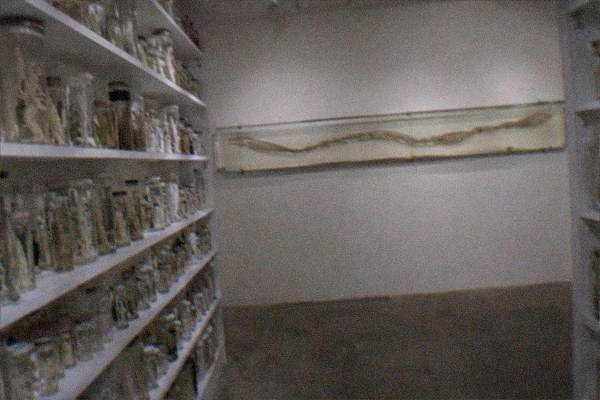
Free entry, no ticket needed.
Plan your visit →Opens the museum's own visitor page. There is nothing to book: the permanent collection is free.
A museum dedicated entirely to parasites sits on a quiet street in Shimomeguro, a twelve minute walk west of Meguro Station, and it charges nothing at the door. The official wording on the museum's own visit page could not be plainer: admission is free and donations are welcome. What catches visitors out is not the price but the calendar. Where most Tokyo museums shut one day a week, this one shuts two, Monday and Tuesday, and a trip planned around the wrong weekday ends at a closed door. This page covers the free admission, the opening rules, the holiday swap, the walk from the station, and what to pair with a visit.
Yes. General admission is completely free: the museum's own visit page states 'Admission Fee: Free (Donations are welcome)'. The catch is not the price, it is the calendar. The museum closes both Monday and Tuesday each week, so a free visit depends entirely on arriving on one of the five days it is actually open.
Free admission in Tokyo is rarer than most guides suggest. Two museums are free to visit outright, the Sumo Museum and the Meguro Parasitological Museum, and two more let you into the building for nothing but charge for every exhibition, the National Art Center, Tokyo and the Tokyo Metropolitan Art Museum. This one is the genuine article: there is no ticketed exhibition hiding behind the free door, no paid wing, no upsell once you are inside. A donation box is the only money the museum asks for, and giving is optional.
The museum's own plan-your-visit page at kiseichu.org/planyourvisit is the authoritative source for the free admission line, and it is also where any change to opening arrangements would appear first. If a visit is being planned around a national holiday, check that page before setting out, because the closure days move around holidays in a way that catches people out.
| Ticket | Price | Notes |
|---|---|---|
| General admission | Free (0 JPY) | Official wording: 'Admission Fee: Free (Donations are welcome)' |
| Donation | Optional | Welcome, never required |
| Advance ticket | None exists | There is no ticket and no booking channel |
| Concessions | Not applicable | Everyone enters free, no age or status bands |
| Grutto Pass | Not covered | The pass does not include this museum |
Because there is no price, there is also no discount to chase. No pass, no coupon and no online seller can improve on a zero yen door, and any third-party page claiming to sell admission to this museum should be treated with suspicion: the museum itself sells nothing.
No booking exists and none is needed. There is no ticket, no timed slot and no online seller: you walk in, and the museum's own visit page is the place to check anything that is not free, such as research-related items or donations. Nothing here sells out, because nothing is sold.
Advance reservation is the axis that decides most Tokyo museum days, and this museum sits at the easy end of it. The venues that cannot simply be walked into are the ones that dominate Tokyo planning: the Ghibli Museum sells only named advance tickets through Lawson Ticket, the Fujiko F. Fujio Museum sells only through its own e-tix system, and teamLab Planets sells nothing at the door at all. Timed-slot venues such as teamLab Borderless, the Warner Bros. Studio Tour and the Artizon Museum reward booking ahead even when a same-day ticket is theoretically possible.
The Meguro Parasitological Museum has none of that machinery. There is no release schedule, no slot calendar, no booking channel, and no sold-out scenario to plan around. The only thing that can end a visit before it starts is the closing day: arrive on a Monday or a Tuesday, or during the New Year closure, and the door is shut no matter how well you planned everything else. Capacity is managed by the building's size rather than by ticketing, and the museum does not publish a crowd forecast, so a weekday morning is the sensible default for anyone who prefers a quiet room.
For anything the museum offers beyond free admission, such as publications or donation arrangements, its own site at kiseichu.org/planyourvisit is the channel. This page carries no booking button for one simple reason: there is nothing to book.
More advice for planning this museum visit →
The museum opens 10:00 to 17:00 and closes every Monday and Tuesday. When either day is a national holiday it opens that day and closes the following weekday instead, and it also shuts over New Year. The two-day closure is the trap: many Tokyo museums close one day a week, this one closes two.
The holiday rule matters more here than at a single-day museum, because two closure days double the chance of a swap. If a Monday is a national holiday, the museum opens that Monday and closes the Tuesday after it, which can catch a visitor who assumed the Tuesday was safe. The same applies in reverse for a holiday Tuesday. The museum's own visit page at kiseichu.org/planyourvisit carries the current calendar, and checking it against the Japan holiday list for your travel dates takes a minute and saves a wasted trip.
The New Year closure is the other fixed gap. Like much of Tokyo's museum sector, the building shuts across the year-end holiday period, so late December and the first days of January are unreliable for a visit even on days that are neither Monday nor Tuesday.
| Hours | 10:00-17:00 |
|---|---|
| Closed days | Monday and Tuesday |
| Holiday rule | A holiday Monday or Tuesday opens that day and closes the following weekday instead |
| Area | Shimomeguro, Meguro |
| How far ahead to book | Walk in, no ticket exists |
| How long to allow | A short visit, well under half a day |
Monday is a difficult day for Tokyo museums generally: the big Ueno nationals all shut, and the usual answer is Roppongi, where the National Art Center opens Monday and closes Tuesday instead. Meguro is the opposite of an answer for Monday, and it is shut on Tuesday too, which removes both of the week's least convenient days for a spontaneous visit.
The nearest station is Meguro, served by the JR Yamanote, Tokyo Metro Namboku, Toei Mita and Tokyu Meguro lines. From the West Exit it is a 12 minute walk, or you can take the bus to Otori-Jinja Mae. The address is 4-1-1 Shimomeguro, Meguro-ku, Tokyo 153-0064.
Four separate railway operators converge on Meguro, which makes this one of the better-connected odd corners of Tokyo. A visitor staying anywhere on the Yamanote loop can reach the station without a transfer, and the Namboku, Mita and Tokyu Meguro lines extend that reach into the south and north of the city. The walk from the West Exit is flat, straightforward and about twelve minutes, long enough that it should be planned for rather than improvised at the end of a tiring day.
The bus alternative drops you at Otori-Jinja Mae, which shortens the walk for anyone arriving tired or in rain. Meguro the district is also a destination in its own right, with the Meguro River cherry blossom corridor a short detour in spring and a well-established restaurant scene along the main street, so the trip rewards a little slack in the schedule. Allow the walk, the visit, and some time either side, and the outing fills a pleasant morning without consuming a whole day.
One practical note: because the museum closes at 17:00 and shuts two days a week, the arrival time matters. Coming mid-afternoon leaves a comfortable window; arriving after 16:00 compresses the visit, and there is no late opening to fall back on.
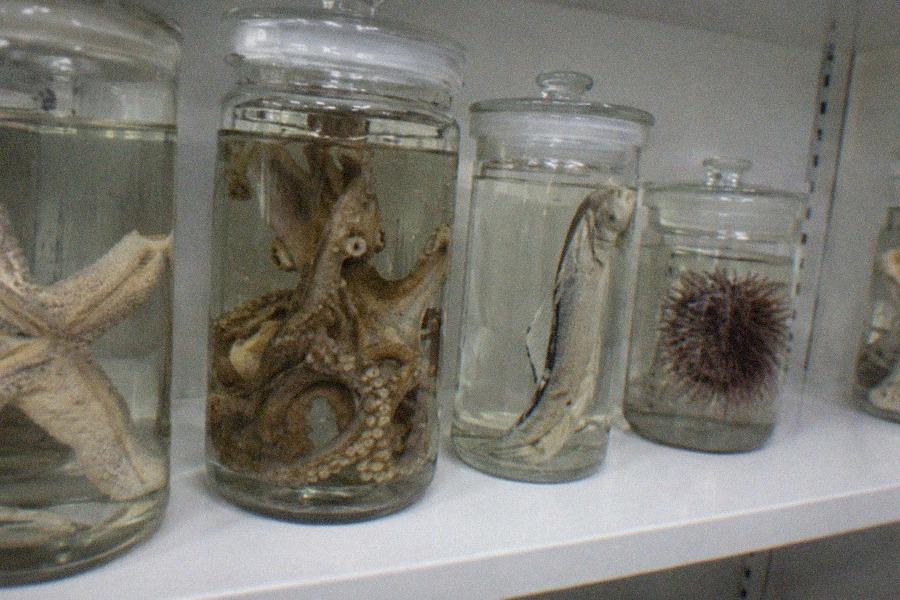
This is a museum devoted entirely to parasites, one of Tokyo's genuinely odd destinations, and it is free. Specimens, displays and educational material fill a compact space, donations are welcome rather than required, and the museum suits curious visitors with a strong stomach far better than it suits small children.
The museum's subject is exactly what its name promises: parasitology, the study of organisms that live on or inside other organisms. The displays are scientific rather than sensational, presented with the seriousness of a research institution, and the free admission means there is no financial risk in finding out whether the subject is for you. Visitors expecting a theme-park treatment of the topic will find something more sober; visitors expecting a dry lecture will find specimens that are memorable precisely because the subject is so far outside the ordinary museum diet of art and history.
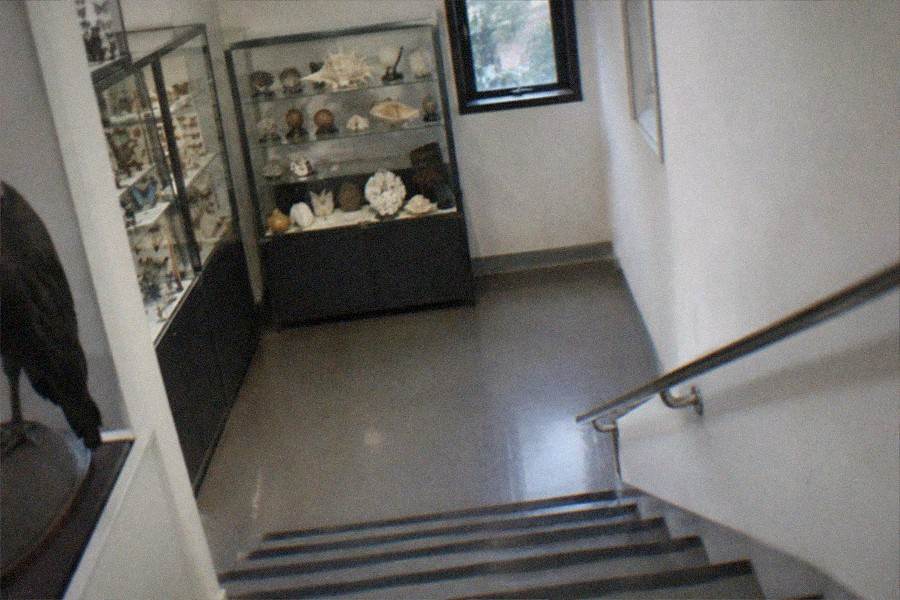
Because the space is compact, the visit is short. This is not a venue to build a whole day around; it is a venue to build an hour around, which makes the free admission and the Meguro location work together nicely. A morning arrival, a slow look around, a donation if the mood strikes, and the rest of the day left open for the neighbourhood or for the next stop on a Tokyo itinerary.
The museum's own site is the place to check for anything specific you hope to see, since display arrangements and research activities sit outside what a visitor page can promise. What can be promised is the price: nothing, on any of the five days a week the door is open.
Pair it with another quirky Tokyo museum on the same day, because the visit itself is short and free. The Grutto Pass does not cover this museum at all, so no pass saves money here; nothing can beat a zero yen door. Siblings worth reading next are listed below.
Tokyo's quirky-museum band is strong, and this museum belongs in it. The Unko Museum Tokyo in Odaiba takes a similarly single-minded approach to an unconventional subject, though unlike Meguro it sells a real ticket and recommends buying ahead because same-day tickets are limited. The Madame Tussauds Tokyo and the Tokyo Trick Art Museum, both at DECKS Tokyo Beach, sit in the same offbeat register, and both are walk-in venues that can be reached on an Odaiba afternoon.
On the pass question, the honest answer is simple. The Tokyo Museum Grutto Pass, detailed at the official Grutto site, does not cover this museum, and it also excludes both teamLabs, the Ghibli Museum, the Warner Bros. Studio Tour, Sanrio Puroland, the National Art Center, Nezu, Artizon, Meiji Jingu, the Railway Museum, Hakone Open-Air, SMALL WORLDS, the Unko Museum, Madame Tussauds, Tokyo Trick Art, the Yokohama museums, Edo Wonderland, and special exhibitions almost everywhere. Since this museum charges nothing, the pass has no work to do here: a free door beats any discount.
Closer to home, the Meguro district itself is the natural pairing. The river walk, the restaurant streets near the station, and the residential calm of Shimomeguro make the area worth the trip even before the museum is counted. If the day falls on a Monday or Tuesday, the museum is shut, and the plan should shift: Roppongi's National Art Center holds the Monday answer, while the Meguro neighbourhood can still fill a morning on its own.
For anyone building a Tokyo itinerary around advance booking rather than price, this museum is a stress-free slot. It needs no ticket, no date commitment and no backup plan, only the right day of the week, and that makes it a useful filler between the venues that do demand planning: the timed-slot attractions, the advance-only museums, and the walk-in giants of Ueno.
Yes. General admission is completely free, and the museum's own visit page states the wording directly: 'Admission Fee: Free (Donations are welcome)'. There is no ticketed exhibition behind the free door and no concession structure, because nobody pays anything. Donations are optional and are the only money the museum asks for.
It closes every Monday and Tuesday, two days a week rather than the one day most Tokyo museums close. It also shuts over the New Year period. When a Monday or a Tuesday is a national holiday, the museum opens that day and closes the following weekday instead, so holiday weeks shift the closure days and are worth checking against the museum's own calendar.
No. There is no ticket, no timed slot, no booking channel and no online seller. You walk in. Nothing sells out because nothing is sold. The only thing that can block a visit is the closing day, so the planning effort goes into choosing a Wednesday to Sunday rather than into booking anything.
The museum opens at 10:00 and closes at 17:00, on the five days a week it is open. There is no late opening to fall back on, so an afternoon arrival should leave a comfortable window before 17:00 rather than squeezing the visit into the last hour.
The nearest station is Meguro, served by the JR Yamanote, Tokyo Metro Namboku, Toei Mita and Tokyu Meguro lines. From the West Exit it is a 12 minute walk, or you can take the bus to Otori-Jinja Mae. The address is 4-1-1 Shimomeguro, Meguro-ku, Tokyo 153-0064.
No. The Tokyo Museum Grutto Pass does not cover this museum at all, and since admission is already free, no pass could improve on the deal. The pass also excludes both teamLabs, the Ghibli Museum, the Warner Bros. Studio Tour, Sanrio Puroland, the National Art Center, Nezu, Artizon, Meiji Jingu, the Railway Museum, Hakone Open-Air, SMALL WORLDS, the Unko Museum, Madame Tussauds, Tokyo Trick Art, the Yokohama museums, Edo Wonderland, and special exhibitions almost everywhere.
The museum is compact and the visit is short, well under half a day. It works best as one stop inside a Meguro morning or afternoon, paired with the neighbourhood's river walk and restaurant streets, or combined on an itinerary with other quirky Tokyo museums such as the Unko Museum Tokyo, Madame Tussauds Tokyo or the Tokyo Trick Art Museum.
The subject is scientific and the displays are presented seriously, so the museum suits curious visitors with a strong stomach more than it suits small children. Admission is free for everyone with no age bands, so a family can try it at no cost, but the topic is parasites and the treatment is educational rather than playful.
Minato Mirai, Yokohama, Kanagawa
from $62guided factory tour with the paid My CupNoodles workshop included Check availability →
Kinugawa-Onsen, Nikko, Tochigi
from $36.59per person Check availability →