Does A Tokyo National Museum Ticket Include The Special Exhibition?
The Tokyo National Museum sells two kinds of ticket and most visitors only discover the difference at the gate. Here is what the 1,000 yen collection ticket covers and what it does not.
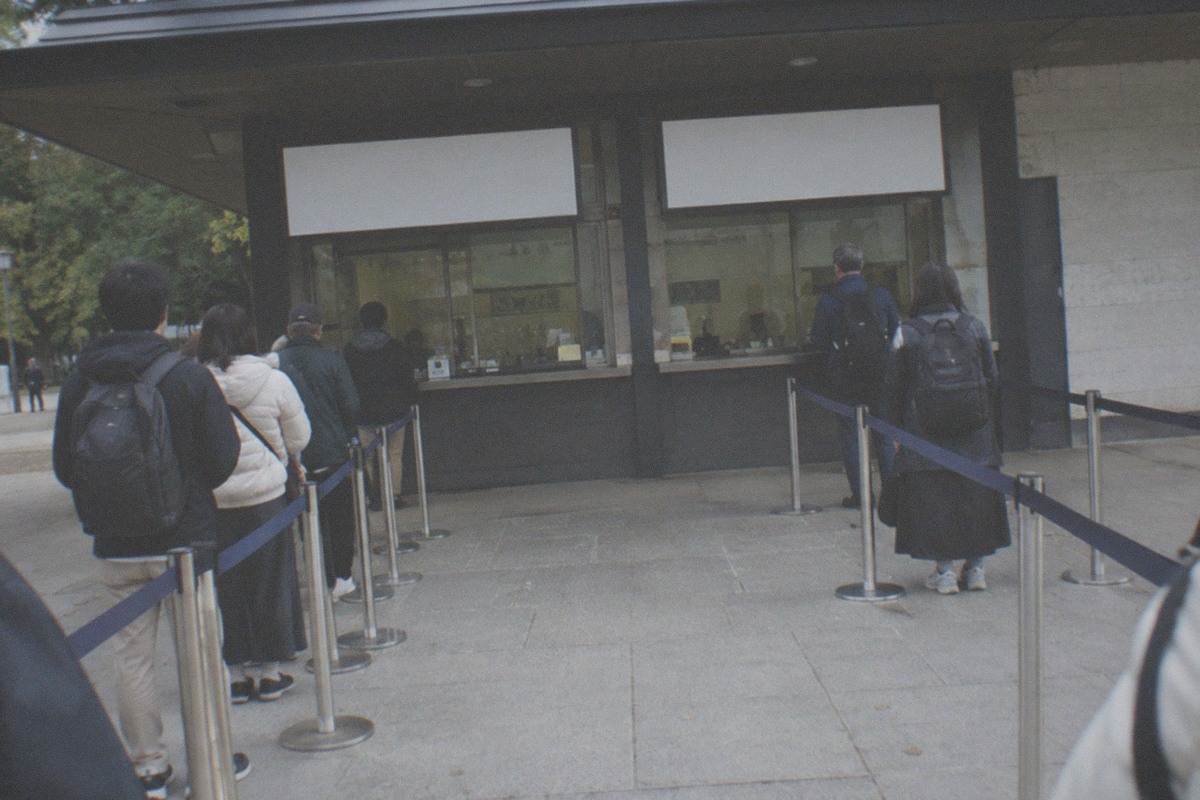
The Tokyo National Museum is Japan's oldest and largest museum, sitting at the top of Ueno Park behind a long stone approach lined with trees. It sells one ticket almost everybody buys, the collection ticket at 1,000 yen, and a second kind of ticket most visitors only hear about after they have already paid. The special exhibitions, the blockbusters that fill the Toyokan and the Hyokeikan and draw the long queues, are priced and ticketed entirely separately. That split is the single most common point of confusion at the gate, and it is worth understanding before you travel rather than while a staff member gestures at a sign in Japanese.
The regular collection ticket does not automatically include a named special exhibition, so the exhibition calendar decides which ticket is useful. Explore Tokyo National Museum
Does A Tokyo National Museum Ticket Include The Special Exhibition?
No, the standard 1,000 yen ticket does not include any special exhibition. It covers the TNM Collection Exhibitions only: the Honkan Japanese gallery, the Heiseikan, the Horyu-ji Treasures Gallery and the Kuroda Memorial Hall. Every special exhibition is ticketed separately, priced per show, and sold on its own ticket. There is no combined ticket that quietly folds the two together, so the choice is made at purchase.
The museum runs two tiers of ticketing, and the distinction is structural rather than a marketing upsell. The collection exhibitions are the permanent displays, the galleries you can walk through on any ordinary day: the Japanese art in the Honkan's two floors of rooms, the archaeological finds in the Heiseikan, the Buddhist treasures from the Horyu-ji temple in their purpose-built gallery. The 1,000 yen adult ticket buys exactly that, and nothing more.
Special exhibitions are temporary, months-long shows built around a single theme or a loan from another institution. They occupy dedicated spaces, they have their own entrances inside the buildings, and they have their own prices, set per exhibition and published on the museum's own pages when a show is announced. Because each show prices itself, there is no standing special-exhibition figure this or any honest guide can print; the current show's price is on the museum's site, and the next show will set a new one.
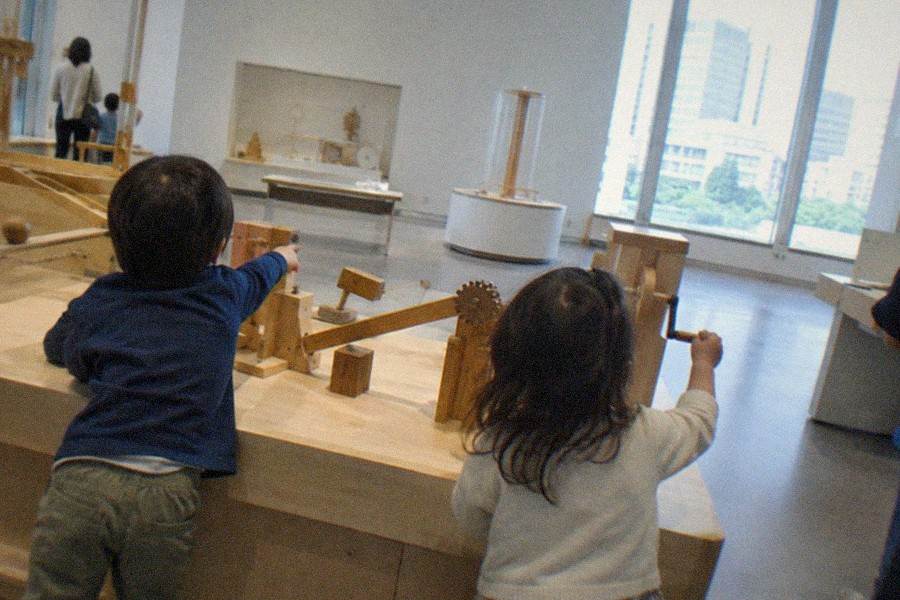
What trips people up is the word "ticket" in guides that never say which one. A blog post that says "the Tokyo National Museum costs 1,000 yen" is describing the collection ticket. A review praising a blockbuster show about a shogun or a foreign loan collection is describing a special exhibition ticket that cost more. Neither statement is wrong, and together they mislead anyone who reads both and expects one price to cover everything.
The two tiers sit side by side, and the differences between them run further than price:
| Collection ticket | Special exhibition ticket | |
|---|---|---|
| Adult price | 1,000 JPY | Set per exhibition, published when the show is announced |
| What it opens | Honkan, Heiseikan archaeology gallery, Horyu-ji Treasures Gallery, Kuroda Memorial Hall | One named exhibition only |
| Where sold | Main-gate counters on the day, or online in advance | Same counters, or online for popular shows |
| Free days | 19 May, 21 September and 3 November 2026 | Never included in a free day |
| Grutto Pass | Discount on the collection exhibition | Not covered |
| Availability | Walk in, no timed entry | Often timed or dated for blockbusters |
The practical answer is to decide before you reach the counter. If a special exhibition is running and you want it, you buy its ticket, and the collection galleries are worth adding with the difference in mind. If no special show interests you, the 1,000 yen ticket alone is a full half-day of the best Japanese art in the country. The museum's own admission page lists both tiers side by side, updated show by show.
What Does The 1,000 Yen Collection Ticket Actually Cover?
The collection ticket covers four things: the Honkan's Japanese art rooms, the Heiseikan's archaeology galleries, the Horyu-ji Treasures Gallery and the Kuroda Memorial Hall. It does not cover any special exhibition, any ticketed event, or anything in a gallery the museum has flagged as out of scope for the season. Children under 18 and visitors 70 and over pay nothing for the collection, and university students pay 500 yen.
The Honkan is the main building, the one with the tiled roof visible from the park approach, and it holds the core of the Japanese collection across two floors of period rooms. The Heiseikan sits behind it and houses the Japanese archaeology gallery plus a special exhibition hall, which means the building itself is split: your collection ticket opens one side and not the other. The Horyu-ji Treasures gallery, a low quiet building to the rear, holds the famous temple loan and is included. The Kuroda Memorial Hall, the small building by the north gate, is included too.
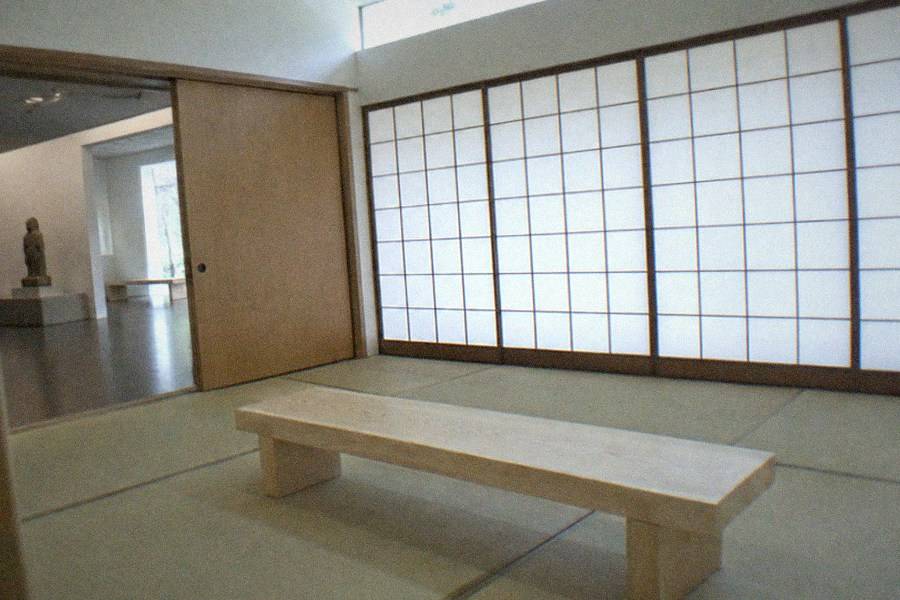
Four buildings sound modest until you are inside them. The Honkan alone runs some twenty numbered rooms, and at the pace most people move, the collection ticket buys a solid two to three hours before the legs give out. That is the honest value case for skipping the special exhibition when nothing on the schedule grabs you: the permanent collection is not a consolation prize, it is the museum.
The concession structure softens the price for exactly the groups most likely to be visiting in numbers. The full picture at the counter:
| Visitor | Collection ticket price |
|---|---|
| Adult | 1,000 JPY |
| University student | 500 JPY |
| High school, junior high and elementary school students | Free |
| Anyone under 18 | Free |
| Anyone 70 or over, with proof of age | Free |
| Disability certificate holder plus one carer | Free |
One wrinkle worth knowing is that the collection ticket is sold both at the main-gate counters on the day and online as a collection ticket through the museum's own channels, and the online route simply saves queue time rather than changing the price. The Tokyo National Museum ticket page on this site lays out the same split with the current figures, alongside the Ueno Park museums guide for anyone building a full day around the park, since three other major museums stand within a ten minute walk of the gate.
How Much Does A Special Exhibition Ticket Cost At Tokyo National Museum?
There is no standing price, because each special exhibition sets its own. The ticket is sold per show, the price is published when the show is announced, and it changes with every exhibition. What is fixed is the structure: a special exhibition ticket is bought separately from the collection ticket, at the same counters or online, and the two never merge into one combined price.
This is the answer that frustrates people who want a number, so it deserves the reasoning. A special exhibition at a national museum is typically built around loans, and loans carry insurance, transport and negotiation costs that differ wildly from show to show. A show drawing from a foreign national collection prices differently from one assembled from the museum's own storerooms. The museum therefore prices per exhibition, publishes the figure on the exhibition's own page, and takes it down when the show ends.
What you can plan around is the shape of the decision. Special exhibition tickets at institutions of this class generally run well above the collection price, they are often timed or dated for popular shows, and the headline blockbusters sell out for weekend slots in a way the collection galleries never do. If a major show is the reason for your visit, buying its ticket in advance is the safe move, and checking the museum's own exhibition pages for the current show's price and slot rules is the only reliable way to get the figure.
A useful comparison sits one park over. The National Museum of Nature and Science runs the same two-tier structure: 630 yen buys the permanent exhibitions, and its special exhibitions are priced separately per show, with a 630 yen door price and a from-price of $4.10 on the admission product this site carries. The pattern is standard across the Ueno nationals, so learning it once at the Tokyo National Museum prepares you for the others.
Which Ticket Should You Buy For Tokyo National Museum?
Buy the collection ticket alone if no special exhibition appeals to you, or if you have two to three hours rather than a full day. Add the special exhibition ticket only when a show genuinely interests you, because it is a separate purchase at a separate price. Visitors under 18, over 70, or holding a disability certificate with one carer enter the collection free, which makes the decision cheaper before it makes it harder.
The decision tree is short. First, check what is showing. The museum publishes its exhibition calendar on its own site, and the difference between a show you would queue for and one you would walk past is personal, not a matter of prestige. Second, check the time you have. The collection alone fills a half-day comfortably; a collection plus special exhibition visit is a full day with a lunch break, and the park has better places to rest than the museum corridors.
Third, check the calendar for free days. The collection exhibitions are free on 19 May, 21 September and 3 November 2026, and those dates apply to the collection only, never to special exhibitions. A visitor who times a collection visit to a free day and then adds a special exhibition ticket is paying for exactly one thing, which is the cleanest version of this decision there is.
Fourth, think about the Monday trap. The museum closes on Mondays, and when a Monday is a national holiday it opens and closes the following weekday instead, so a holiday-week visit can catch the museum shut on the Tuesday. Anyone planning around the free collection days above should build the Monday rule into the plan at the same time, since a free day that falls on the wrong side of a closure is not free at all.
For readers deciding between museums rather than between tickets, the Tokyo National Museum highlights piece covers which galleries repay the most time, and it assumes the collection ticket, which is the honest default for a first visit.
Do Free Days Or The Grutto Pass Cover Special Exhibitions?
Free days cover the collection exhibitions only: 19 May, 21 September and 3 November 2026, and never a special exhibition. The Grutto Pass gives a discount on the collection exhibition at this museum and does not cover its special exhibitions at all. Neither route reduces a special exhibition ticket by one yen, so anyone visiting for a blockbuster pays full price whatever they hold.
The Grutto Pass deserves its own sentence because it is widely misdescribed. The pass is not a free-entry card everywhere: each listing on it is either free entry or a discount, and the split differs per facility. At the Tokyo National Museum the pass is a discount on the collection exhibition, and special exhibitions are not covered. The exclusions run further than most guides admit: both teamLab venues, the Ghibli Museum, Warner Bros. Studio Tour Tokyo, Sanrio Puroland, the National Art Center, Nezu, Artizon, Meiji Jingu, the Railway Museum, Hakone Open-Air, SMALL WORLDS, the Unko Museum, Madame Tussauds, Tokyo Trick Art, both Yokohama museums, Edo Wonderland, and special exhibitions almost everywhere. The official pass site is the only source that lists the split correctly, facility by facility.
The free-day arithmetic matters most to budget travellers doing several museums in one trip. A collection ticket saved here is 1,000 yen, and the same two-tier logic at the National Museum of Nature and Science saves 630 yen on its permanent exhibitions on the same May and November dates. Neither saving touches a special exhibition, so the honest framing is that free days make the permanent collections cheap and leave the blockbusters exactly as expensive as they were.
When Is Tokyo National Museum Closed Or Partly Closed?
The museum closes every Monday, opening instead and closing the following weekday when that Monday is a national holiday. Beyond the weekly rhythm, a staged renovation schedule closes Honkan rooms in sequence through winter, the Toyokan closes for December, and the whole museum shuts on 15 December and from 26 to 31 December 2026. Anyone visiting between late October and early April should check the room closures before paying.
The renovation schedule is the part almost no guide carries, and it changes what the 1,000 yen ticket buys. Honkan Room 4 closes from 26 October 2026 to 26 April 2027. Honkan Rooms 17-20 and the Toyokan close from 30 November to 31 December 2026. Honkan Rooms 2-3 close from 14 December 2026 to 26 April 2027. The whole museum closes for a facility inspection on 15 December, and from 22 to 25 December only the Horyu-ji Treasures Gallery and the Kuroda Memorial Hall are open, before a full year-end closure from 26 to 31 December.
| Closure | Dates | Scope | Reopens |
|---|---|---|---|
| Honkan Room 4 | 26 October 2026 to 26 April 2027 | One gallery | 27 April 2027 |
| Honkan Rooms 17-20 and the Toyokan | 30 November to 31 December 2026 | Several galleries | January 2027 |
| Honkan Rooms 2-3 | 14 December 2026 to 26 April 2027 | Two galleries | 27 April 2027 |
| Whole museum, facility inspection | 15 December 2026 | Whole museum | 16 December 2026 |
| Year-end closure, only the Horyu-ji Treasures Gallery and Kuroda Memorial Hall open 22-25 December | 26 to 31 December 2026 | Whole museum | January 2027 |
A visitor in, say, February 2027 buys the same collection ticket as a visitor in June 2026 but sees measurably less of the Honkan for it. That is not a reason to skip the museum, the closed rooms are a fraction of the building and the rest of the park's museums are unaffected, but it is a reason to set expectations before the ticket counter rather than after it. The museum's own pages carry the closure notices, and they are the authoritative version.
The Monday rule interacts with all of this. A December visitor planning around the year-end closures has very few usable days, and losing one more to a Monday or a holiday-shifted Tuesday can be the difference between seeing the collection and not. Plan the Ueno day on a weekday outside the closure windows and the two-tier ticket decision becomes the only decision left to make.
For contrast, a museum with no weekly closing day at all exists in the same city: the Hakone Open-Air Museum runs 365 days a year, though it is a day trip rather than a Ueno neighbour, and the Tokyo museum day trips guide covers the logistics. Within Ueno itself, the Tokyo Museums site's coverage of the park's four major venues is the practical companion to this page, since the ticket question here repeats, with different prices, at each of the others.
Common Questions About Tokyo National Museum Special Exhibition Tickets
Does A Tokyo National Museum Ticket Include The Special Exhibition?
No. The 1,000 yen collection ticket covers the TNM Collection Exhibitions only: the Honkan, the Heiseikan archaeology gallery, the Horyu-ji Treasures Gallery and the Kuroda Memorial Hall. Every special exhibition is a separate ticket at a price set per show.
How much is a special exhibition ticket at the Tokyo National Museum?
Each special exhibition sets its own price, published when the show is announced and removed when it ends. There is no standing figure. Check the museum's own exhibition page for the current show's price before you travel.
Is the Tokyo National Museum collection ticket worth it without a special exhibition?
For most visitors, yes. The collection galleries fill two to three hours and hold the core of the national Japanese art and archaeology collections. The special exhibition is an add-on, not the main event.
Are there free days at the Tokyo National Museum?
The collection exhibitions are free on 19 May, 21 September and 3 November 2026. Those dates apply to the collection only. Special exhibitions are never included in the free days.
Does the Grutto Pass cover the Tokyo National Museum?
Partly. The pass gives a discount on the collection exhibition only. It does not cover special exhibitions here, and it excludes many popular venues entirely, including both teamLabs, the Ghibli Museum and Warner Bros. Studio Tour Tokyo.
When is the Tokyo National Museum closed?
Every Monday, with the holiday rule shifting the closure to the following weekday when a Monday is a national holiday. The whole museum also closes on 15 December 2026 and from 26 to 31 December 2026, and parts of the Honkan and the Toyokan close in stages between October 2026 and April 2027.
Can I buy the collection ticket online instead of at the gate?
Yes. The online collection ticket is sold through the museum's own channels and saves queue time at the main gate. The price is the same 1,000 yen either way, and the gate counters also sell it on the day.
Choose Your Museum Experience
Start With This Option
Have a date in mind? Plan Tokyo National Museum before arranging the rest of your day.
Tokyo National Museum admission in Ueno for the selected ticket type. A special exhibition is a separate purchase unless your option explicitly includes it.
Tailor Your Choice And Compare Alternatives
Tokyo National Museum: Tokyo National Museum admission in Ueno for the selected ticket type. A special exhibition is a separate purchase unless your option explicitly includes it.
Artizon Museum: Artizon Museum exhibition admission in Kyobashi. Check the exhibition and timed-entry date covered by your selected ticket.
National Museum of Nature and Science: National Museum of Nature and Science in Ueno. Choose the collection ticket for the science and natural-history galleries; check special exhibitions separately.
Choose your visit date on the booking page. Its calendar opens with the booking link below.
Set your Tokyo National Museum date before arranging the rest of your day.
Choose Your Tokyo National Museum Date